Norman Lear’s All in the Family revolutionized American television by fearlessly confronting society’s most uncomfortable topics. While characters like Maude and George Jefferson earned their place in TV history with successful spinoffs, one extraordinary character deserves far more recognition for breaking barriers and touching hearts in ways that still resonate today. Beverly LaSalle, portrayed brilliantly by Lori Shannon, wasn’t just another guest character—she represented a seismic shift in how television portrayed the LGBTQ community, particularly drag performers.
When Beverly Walked Through That Door, Everything Changed
Beverly LaSalle’s debut in the sixth season episode “Archie the Hero” was nothing short of revolutionary. The premise was deceptively simple: Archie Bunker becomes a hero after saving a woman’s life in his taxi cab through mouth-to-mouth resuscitation. When the grateful passenger arrives at the Bunker home to thank him and settle the fare, Archie discovers his rescued passenger is Beverly—a drag queen performing in town. While Edith immediately embraces Beverly with characteristic warmth and curiosity, Archie’s worldview is completely shattered.
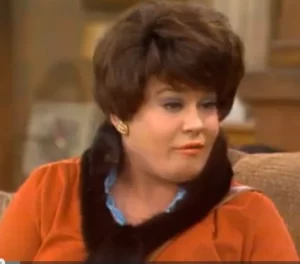
This moment marked a pivotal turning point in television history. According to SFGATE, Beverly LaSalle represented “the first time a television series had sympathetically portrayed a drag queen.” The significance cannot be overstated. Throughout much of the 20th century, drag performance was literally illegal in the United States, with performers facing arrest simply for expressing themselves. The Stonewall Riots of 1969—occurring just eight years before Beverly’s first appearance—had begun shifting public consciousness, but television remained trapped in outdated, harmful stereotypes.
The infamous Hays Code had long dictated that LGBTQ characters could only appear as villains, tragic figures, or mentally ill individuals destined for doom. WRAL News documented how “gay characters on screen were evil, conniving, and ultimately doomed,” with tragic endings being the only acceptable narrative arc. Beverly LaSalle shattered these conventions completely.
A Character Full of Life, Warmth, and Authentic Humanity
From her first entrance, Beverly radiates confidence, humor, and genuine warmth. Her sparkling personality serves as the perfect counterpoint to Archie’s prejudice, creating comedy that educates rather than mocks. While some terminology used in the episodes feels dated by contemporary standards, the core content was remarkably progressive—more advanced than many shows produced decades later.
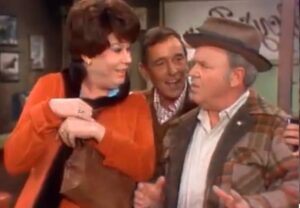
Beverly’s return in the Season 7 episode “Beverly Rides Again” cemented her status as an honorary Bunker family member. She celebrates the anniversary of Archie saving her life, and Edith’s genuine excitement at seeing her friend again demonstrates the deep bond they’ve formed. Even Archie begins showing grudging acceptance of Beverly, revealing the character’s power to challenge and ultimately soften his hardened prejudices. This gradual transformation felt authentic because it unfolded naturally, respecting both Beverly’s dignity and the complexity of changing deeply ingrained beliefs.
The Heartbreak That Changed Television Forever
Beverly’s final appearance during the Season 8 Christmas special begins joyfully. She’s returning to town for her Carnegie Hall debut—a dream achievement for any performer. Edith presents Beverly with a heartfelt scrapbook, and the two women tell each other they consider themselves sisters. The warmth and genuine affection between these characters feels revolutionary even today. Everything seems perfect until Mike offers to walk Beverly to get a taxi.
What happens next remains one of the most shocking and powerful moments in television history. Mike and Beverly are attacked by a group of men wielding a lead pipe. When the attackers realize Beverly’s identity as a drag performer, their violence intensifies horrifically. Mike survives with injuries, but Beverly dies from the brutal assault.
The episode refuses to sanitize or minimize this tragedy. When the doctor delivers the devastating news, Edith’s reaction—brought to life through Jean Stapleton’s absolutely extraordinary performance—captures the raw, overwhelming grief of losing someone beloved to senseless hate. The entire Bunker family mourns deeply, including Archie, whose transformation becomes complete as he admits regretting never telling Beverly how much she meant to him.
When Faith Confronts Hate: Edith’s Crisis Mirrors Our Own
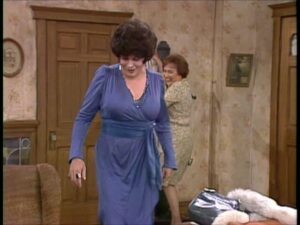
Beverly’s murder launches one of All in the Family’s most profound and challenging storylines. Edith, whose Christian faith has anchored her throughout the series, tells her family she may never attend church again. Her crisis isn’t simplistic or easily resolved. She doesn’t reject God’s existence but questions whether God truly cares about human life when such hatred can exist and destroy someone as wonderful as Beverly just as her dreams were coming true.
This two-part episode tackles questions that remain painfully relevant today, especially within LGBTQ communities: How can love and hate coexist in this world? How do we maintain faith when senseless violence destroys innocent lives? Why do good people suffer while perpetrators of hate seemingly face no divine intervention?
The series demonstrates remarkable restraint by refusing to provide easy answers or neat resolution. After Archie desperately tries everything to restore Edith’s faith, she leaves the Christmas dinner table during prayer. Mike follows to comfort her, and when Edith returns, her heart remains heavy. She leads grace, expressing gratitude for her family, but the episode acknowledges that she may never fully understand the cruelty that took Beverly, may never reconcile the hate she’s witnessed with the love she’s been taught to believe in.
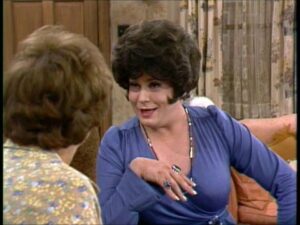
This honest, imperfect ending honors both Edith’s struggle and Beverly’s legacy. A simplistic happy ending would have insulted everything the storyline represented.
Why Beverly LaSalle Still Matters
Beverly LaSalle’s arc represents groundbreaking television that tackled hate crimes against LGBTQ individuals decades before most shows would dare address the topic. Her character was never a punchline or a tragedy waiting to happen—she was vibrant, talented, loving, and fully human. Her friendship with Edith transcended prejudice and demonstrated that genuine connection can exist across any divide.
The courage All in the Family showed in creating Beverly, allowing her to touch the Bunker family deeply, and then confronting the brutal reality of anti-LGBTQ violence, created television that educated, challenged, and moved audiences. Beverly LaSalle deserves to be remembered alongside television’s most important characters—not just for breaking barriers, but for representing the truth that every life lost to hate leaves behind people who loved them, believed in them, and will never be the same without them.