The Untold Story of Television’s Most Revolutionary Family
Half a century has passed since All in the Family first shattered television conventions and changed American culture forever. Now, in a deeply personal interview, Sally Struthers pulls back the curtain on what really transpired behind the scenes of this groundbreaking series. Her revelations paint a picture far different from the typical Hollywood drama—this was something extraordinarily rare, a genuine family bound not by blood but by mutual respect and artistic excellence.
The Magic That Made History
“We revered one another.” Three simple words from Struthers that encapsulate something increasingly rare in the entertainment industry. In an era when television sets were notorious for ego clashes and backstage rivalries, the All in the Family cast created something different—a workspace built on genuine admiration rather than competition. This wasn’t manufactured harmony for publicity photos; this was authentic chemistry that audiences could feel through their television screens every single week.
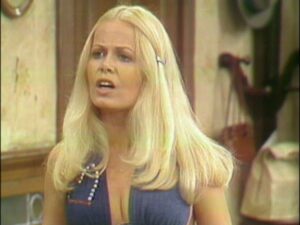
Struthers describes the dynamic between herself, Carroll O’Connor, Jean Stapleton, and Rob Reiner as “beautiful,” but that word barely scratches the surface of what they achieved together. The four actors created an alchemical reaction that transformed Norman Lear’s sharp scripts into cultural phenomena. Week after week, they didn’t just perform—they inhabited a dysfunctional yet deeply loving family that America couldn’t stop watching, even when the topics made them uncomfortable.
From Background Player to Breakout Star
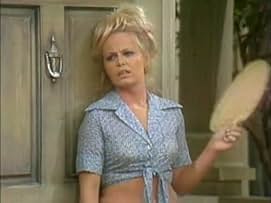
What many fans don’t realize is that Gloria Bunker-Stivic nearly remained a minor character in television history. Struthers candidly admits that in the show’s early episodes, Gloria was significantly underutilized. Her lines were limited, her character development minimal. She stood in the background while Archie and Edith dominated scenes, a pretty face with little substance.
But the writers recognized something special happening. As the series gained momentum and confidence, they began mining the rich potential of Gloria’s character. They gave her depth, complexity, and most importantly, a voice that could challenge both her father’s bigotry and her husband’s liberal idealism. The transformation was gradual but profound—Gloria evolved from a supporting player into a fully realized character whose journey paralleled America’s own awakening during the turbulent 1970s.
The storylines exploring Gloria’s marriage to Michael Stivic became some of the show’s most compelling material. Their arguments about gender roles, parenting, and identity weren’t just comedic fodder—they were real conversations happening in millions of American homes. Struthers and Rob Reiner brought authenticity to these moments, creating a young married couple that felt genuine rather than scripted.
The Father Figure She Never Expected
Perhaps the most touching revelation from Struthers concerns her relationship with Carroll O’Connor. While O’Connor’s portrayal of Archie Bunker made him one of television’s most recognizable figures, Struthers experienced a completely different side of the legendary actor. O’Connor became a genuine father figure to her during the show’s run, offering guidance and support that extended far beyond their on-screen relationship.
This mentorship wasn’t about acting technique or career advice—though surely those conversations occurred. O’Connor provided something more valuable: emotional stability and wisdom during a time when Struthers was navigating sudden fame and all its complications. The irony is delicious—Archie Bunker, the character who often dismissed and patronized his daughter on screen, was played by a man who genuinely nurtured and protected his television daughter behind the cameras.
Learning Grace from a Master
Struthers’ admiration for Jean Stapleton reveals another layer of the show’s success. She describes Stapleton as “a model of subtlety and grace,” qualities that made Edith Bunker one of television’s most beloved characters. Watching Stapleton work was a masterclass in restraint and timing. While others might have played Edith as simply dim-witted, Stapleton infused her with dignity, wisdom, and unexpected strength.
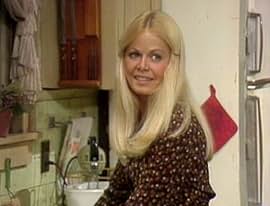
For a young actress finding her footing, having Stapleton as an example proved invaluable. Struthers observed how Stapleton could convey volumes with a look, how silence could be more powerful than dialogue, how vulnerability could coexist with strength. These lessons shaped Struthers’ own approach to acting and influenced her career long after All in the Family ended.
When Reality Exceeded Expectations
Struthers recognized the show’s extraordinary impact remarkably early. Just weeks after the premiere, the cast experienced overwhelming fan reactions that signaled something unprecedented was happening. This wasn’t typical television success—this was a cultural earthquake. People weren’t just watching All in the Family; they were talking about it, arguing about it, seeing their own families reflected in the Bunkers’ living room.
The moment this impact crystallized for Struthers came through her daughter’s eyes. When her daughter discovered All in the Family featured prominently in an encyclopedia, the significance hit home. Encyclopedia entries aren’t reserved for mere entertainment—they’re for history, for cultural touchstones that define eras. The show hadn’t just entertained millions; it had fundamentally changed television and sparked national conversations about race, gender, politics, and family that America desperately needed to have.
The Bittersweet Gift of Memory
Today, as Struthers continues her work in theater and various projects, she carries these memories with profound appreciation tinged with inevitable sadness. Watching old episodes brings a bittersweet nostalgia—the joy of remembering extraordinary times mixed with the pain of seeing co-stars who have since passed away. Carroll O’Connor and Jean Stapleton are gone now, but they live perpetually on screen, frozen in time during those magical years when four actors created something that transcended typical television.
A Legacy That Endures
Fifty years later, All in the Family remains relevant, its themes still resonant, its courage still admirable. Sally Struthers’ reflections remind us that behind every great show are real people creating something larger than themselves. The “beautiful” dynamic she describes wasn’t accidental—it was the result of talented individuals choosing collaboration over competition, respect over ego, and artistic excellence over personal glory.
Struthers remains rightfully proud of her contribution to television history. She was part of something that mattered, something that entertained while challenging audiences, something that made people laugh while forcing them to confront uncomfortable truths. That’s not just a career achievement—that’s a legacy that will outlive us all.