When television history is written, few shows tower as monumentally as MASH. This groundbreaking series, which aired from 1972 to 1983, didn’t just entertain millions of viewers. It fundamentally transformed what television could be, how stories could be told, and what audiences expected from their screens. Set in a Mobile Army Surgical Hospital during the Korean War, MASH cleverly used historical distance to comment on contemporary issues, particularly the Vietnam War, while establishing new standards for television excellence that continue to influence creators today.
Understanding MASH’s cultural impact requires looking beyond its impressive ratings and critical acclaim. This show broke molds, challenged conventions, and created templates that modern television still follows. From pioneering the dramedy format to staging one of the most-watched television events in history, MASH’s influence ripples through every aspect of contemporary entertainment and media. Let’s explore eight compelling reasons why this series remains a cultural touchstone decades after its final episode aired.
Revolutionary Blend of Comedy and Drama
Before MASH, television existed in clearly defined boxes. Comedies were funny, dramas were serious, and never the twain shall meet. MASH shattered these artificial boundaries with unprecedented boldness. The show masterfully wove together laughter and tears, often within the same scene, creating television’s first true dramedy. One moment, viewers would be laughing at Hawkeye’s irreverent pranks, and the next, they’d be confronted with the brutal reality of soldiers dying on operating tables.

This revolutionary approach required extraordinary writing sophistication. The show’s creators understood that humor and tragedy aren’t opposites but rather complementary forces that define human experience, especially in extreme circumstances like war. Episodes could shift from slapstick comedy in the mess tent to heart-wrenching surgical scenes without feeling disjointed or manipulative. This tonal complexity influenced countless shows that followed, from St. Elsewhere to Scrubs, from The West Wing to This Is Us. Modern television’s comfort with tonal shifts, its willingness to make audiences laugh and cry within a single episode, traces its lineage directly back to MAS*H’s pioneering approach. The show proved that audiences were sophisticated enough to handle complexity, setting a new standard for television storytelling that rejected the simplistic formulas of earlier sitcoms.
Unprecedented Finale Viewership
On February 28, 1983, something extraordinary happened in American living rooms. An estimated 105.97 million people tuned in to watch “Goodbye, Farewell and Amen,” MAS*H’s series finale, with total audience reach of 121.6 million viewers. To put this in perspective, that represented roughly 60% of all American households with televisions. This wasn’t just a popular show ending; it was a genuine cultural moment when the nation collectively paused to bid farewell to characters they’d welcomed into their homes for eleven years.
The finale’s viewership record for scripted television still stands today, a testament to MASH’s unparalleled cultural penetration. Even Super Bowl broadcasts and other massive television events have struggled to match the communal experience of that final MASH episode. This phenomenon revealed television’s unique power to create shared national experiences, to unite diverse audiences around common narratives. The finale drew more viewers than Super Bowl XVII, demonstrating that compelling storytelling could rival even America’s biggest sporting events. Modern television executives still look back at this achievement with awe, recognizing that in today’s fragmented media landscape, such universal viewership is virtually impossible to replicate. The MAS*H finale represents a high-water mark for broadcast television’s cultural influence, a moment when nearly every American participated in the same emotional experience simultaneously.
Anti-War Message Through Entertainment
MASH premiered in September 1972, when American troops were still fighting and dying in Vietnam. The show’s creators faced a delicate challenge: how to deliver a powerful anti-war message without alienating audiences or triggering network censorship. Their solution was brilliantly subversive. By setting the show during the Korean War, which had ended nearly two decades earlier, MASH could critique American militarism and war’s absurdity while maintaining plausible deniability about commenting on Vietnam.
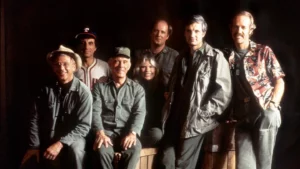
This approach proved extraordinarily effective. Week after week, MASH exposed the futility, waste, and human cost of war through stories about doctors trying to save lives in impossible circumstances. The show didn’t glorify combat or present simplistic narratives about heroism and victory. Instead, it showed war as chaotic, senseless, and devastating to everyone it touched, whether soldier or surgeon, general or nurse. The series humanized both sides of the conflict, refusing to demonize the enemy or sanitize the reality of killing. This sophisticated anti-war commentary helped shift American public opinion about military intervention, contributing to broader cultural conversations about the purpose and cost of war. MASH demonstrated that entertainment could carry serious political and social messages without becoming preachy or losing its audience. The show proved that popular culture could be both commercially successful and socially conscious, influencing how television addresses political issues to this day.
Complex Character Development Over Time
Television in the early 1970s typically featured static characters who returned to their baseline personalities at the end of each episode, ready for next week’s adventure. MAS*H rejected this formula, allowing characters to grow, change, and be permanently affected by their experiences. This commitment to authentic character evolution was revolutionary for television comedy and established new expectations for long-form storytelling.
Consider Hawkeye Pierce’s journey from irreverent prankster to a man deeply scarred by the horrors he’d witnessed. By the series finale, Hawkeye suffers a psychological breakdown stemming from repressed trauma, a storyline that would have been unthinkable in earlier sitcoms. Characters like Charles Winchester arrived as one-dimensional snobs but developed into complex individuals with hidden depths and surprising vulnerabilities. Even supporting characters received multi-dimensional treatment rarely seen on television. This approach to character development influenced serialized storytelling across all genres, from The Sopranos to Breaking Bad, from Friends to The Good Place. MAS*H proved that audiences would invest in characters who changed over time, who carried emotional baggage from previous episodes, who grew and learned from their experiences. This commitment to character continuity helped establish the template for modern serialized television, where character arcs span entire series and viewers expect meaningful development rather than episodic reset buttons.
Breakthrough In Addressing Serious Social Issues
MASH tackled subjects that polite 1970s television typically avoided with remarkable directness. The show addressed racism, sexism, homophobia, mental illness, alcoholism, and other challenging topics within the context of its Korean War setting. By embedding these discussions within compelling narratives, MASH made social commentary accessible and emotionally resonant rather than didactic or preachy.
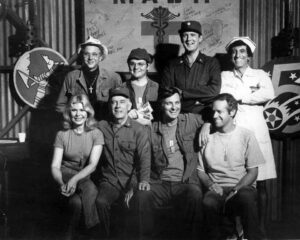
Episodes confronted discrimination faced by Black soldiers, examined the dehumanizing effects of war on mental health, and questioned military authority in ways that felt revolutionary for network television. The show featured one of television’s first sympathetic portrayals of a gay soldier in an era when homosexuality remained taboo on broadcast networks. MASH’s progressive stance on these issues reflected and influenced changing American attitudes during a period of significant social transformation. The series demonstrated that sitcoms could be vehicles for meaningful social dialogue, paving the way for shows like All in the Family, The Golden Girls, and later programs that used comedy to address serious social concerns. This legacy continues in contemporary shows like Black-ish, Brooklyn Nine-Nine, and One Day at a Time, which follow MASH’s template of wrapping important social messages in entertaining narratives. The show proved that audiences would embrace challenging content when delivered with intelligence, empathy, and humor, forever changing expectations about television’s social responsibility.
Innovation In Television Production Techniques
MAS*H pushed technical and stylistic boundaries throughout its run, experimenting with filming techniques that were unusual for sitcoms. The show eschewed the traditional three-camera, laugh-track format that dominated television comedy, instead using single-camera cinematography that gave episodes a more cinematic quality. This choice allowed for more sophisticated visual storytelling, with camera movement, outdoor filming, and dramatic lighting that elevated the production beyond typical sitcom standards.
The series also pioneered innovative narrative structures. MASH featured episodes told entirely through letter writing, real-time surgical procedures, and even an experimental episode filmed from a wounded soldier’s perspective. These creative risks demonstrated that television could be artistically ambitious while remaining commercially viable. The show’s willingness to drop the laugh track for dramatic scenes, to let silence speak, to trust audiences with ambiguity and complexity, influenced how television comedy approached production. Modern single-camera comedies from The Office to Atlanta owe a debt to MASH’s technical innovations. The show proved that television series could employ film-quality production values and experimental storytelling techniques without alienating mainstream audiences, raising the bar for what viewers expected from their television experience.
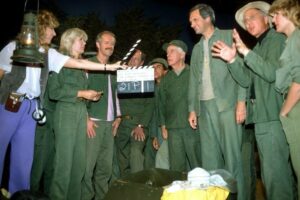
Long-Lasting Impact On Medical Dramas
Every medical drama on television today stands in MAS*H’s shadow, whether acknowledged or not. The show established essential templates for the genre: the high-stress environment where life-and-death decisions happen daily, the gallows humor medical professionals use to cope with tragedy, the ethical dilemmas that complicate straightforward medical practice, and the complex personal relationships that develop among colleagues facing extreme circumstances together.
From St. Elsewhere to ER, from Grey’s Anatomy to The Good Doctor, medical dramas have followed the path MASH carved. The show demonstrated that medical settings provided rich material for exploring the full spectrum of human experience, from comedy to tragedy, from romance to philosophy. MASH’s doctors weren’t superhuman heroes but flawed, complicated people doing their best in impossible situations. This humanistic approach influenced how medical professionals are portrayed on television, moving beyond the god-like physician stereotypes of earlier shows like Dr. Kildare. The series showed that medical dramas could address big questions about mortality, ethics, sacrifice, and the value of human life while still delivering compelling entertainment. The operating room became a theater for exploring what it means to be human, a legacy that continues in every medical drama that balances professional challenges with personal struggles.
Enduring Relevance And Cultural References
More than four decades after its finale aired, MASH remains woven into American cultural fabric in ways few shows achieve. The series continues to air in syndication worldwide, introducing new generations to its stories and characters. References to MASH appear regularly in contemporary entertainment, from Forrest Gump wearing a MAS*H T-shirt to The Simpsons parodying the show’s opening sequence. This sustained cultural presence demonstrates the show’s timeless themes and universal appeal.
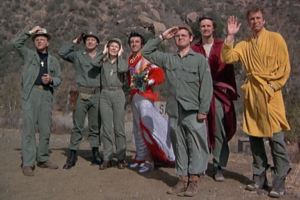
The series’ influence extends beyond entertainment into language and social memory. Phrases like “Goodbye, Farewell and Amen” entered common usage, and the show’s theme song became one of television’s most recognizable melodies. MASH created archetypes that persist in popular culture: the irreverent wiseguy who masks deep sensitivity, the by-the-book bureaucrat who learns humanity, the competent woman fighting for respect in a male-dominated environment. These character types recur throughout modern television because MASH established their emotional authenticity and narrative power. The show’s approach to blending humor with serious themes, its commitment to character complexity, and its willingness to let stories breathe without neat resolutions continue influencing how television creators approach their craft. MAS*H proved that television could be art, not just commerce, that popular entertainment could be meaningful without being pretentious, and that audiences would embrace complexity if creators trusted their intelligence and emotional sophistication.
The legacy of MASH in modern culture cannot be overstated. It transformed television from a medium of disposable entertainment into a platform for serious storytelling and social commentary. The show demonstrated that comedy and drama could coexist, that series television could develop characters over time, that popular entertainment could address challenging subjects, and that television moments could unite an entire nation. Every time a modern show balances laughs with tears, addresses social issues through entertainment, or develops characters across multiple seasons, it walks a path MASH pioneered. The series set standards for excellence that modern television still strives to match, proving that truly groundbreaking art doesn’t just reflect its time but shapes all the times that follow.