Every television viewer knows MASH as one of the greatest series ever made, but few understand the remarkable behind-the-scenes battles, creative decisions, and unexpected events that shaped the show into a cultural phenomenon. The production of MASH wasn’t simply a matter of filming scripts—it involved constant struggles with network executives, innovative solutions to budget constraints, and even natural disasters that forced creative adaptation. These three fascinating production secrets reveal how the show’s creators fought for their vision and turned limitations into opportunities that enhanced the series.
Understanding these behind-the-scenes stories doesn’t just satisfy curiosity about how television gets made—it illuminates why MASH succeeded where other shows failed. The decisions made during production, often over network objections, directly contributed to the show’s unique identity and lasting impact. These weren’t minor technical details but fundamental choices that determined whether MASH would become just another forgettable sitcom or achieve television immortality.
The Legendary Battle Over the Laugh Track
Perhaps no behind-the-scenes conflict better illustrates MAS*H’s struggle for creative integrity than the ongoing battle over the laugh track. Today, we’re accustomed to single-camera dramedies that let dramatic moments breathe without artificial laughter intruding. In the 1970s, however, CBS executives considered laugh tracks absolutely essential for any comedy series. They believed audiences needed cued laughter to know when jokes occurred and felt confused by comedies that didn’t provide this audio guidance.
Alan Alda and creator Larry Gelbart passionately opposed adding canned laughter to MASH. Their reasoning was simple and devastating: how could they expect audiences to take the show’s dramatic elements seriously if fake laughter interrupted surgical scenes where characters fought to save dying soldiers? The idea of hundreds of invisible people apparently laughing while a nineteen-year-old died on an operating table felt obscene to the creative team. They argued this would destroy the delicate balance between comedy and drama that made MASH unique.
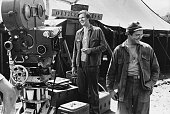
CBS refused to budge on removing the laugh track entirely, fearing the show would fail without it. The compromise they eventually reached revealed both the network’s stubbornness and the creators’ determination. Alda and Gelbart negotiated that no laugh track would ever appear during operating room scenes—these medical sequences would play in complete audio seriousness, allowing the gravity of battlefield surgery to register without comedy undermining it. The network agreed, though they insisted on maintaining the laugh track throughout the rest of each episode.
This partial victory marked just the beginning of an eleven-season evolution. As the series progressed and shifted from straight comedy toward dramedy, the laugh track became increasingly subdued. By season four, certain episodes like “The Interview” eliminated it entirely, trusting audiences to engage with the material without audio cues. Season eleven saw the laugh track nearly disappear altogether as the show embraced its dramatic elements more fully. Each step represented a creative battle won against network conventions.
Interestingly, British broadcasts of MASH never included the laugh track at all. The BBC accidentally aired the show without canned laughter, discovered audiences loved it that way, and continued the practice throughout the entire run. UK viewers experienced MASH as the creators originally envisioned it—a dramedy where humor emerged organically from character and situation rather than being signposted by artificial audience response. When American fans later discovered these laugh-track-free versions through DVD releases, many considered them vastly superior to the original broadcasts.
This behind-the-scenes battle permanently changed television. MASH proved that sitcoms could succeed without constant laugh tracks, paving the way for future single-camera comedies to ditch the format entirely. Shows like “The Office,” “Modern Family,” “Arrested Development,” and countless others owe their audio approach to the creative stand MASH took against network orthodoxy.
Klinger’s Dresses Came From Hollywood Royalty
When Corporal Maxwell Q. Klinger first appeared in women’s clothing attempting to earn a Section 8 psychiatric discharge, the costume choice seemed like a simple sight gag. What viewers didn’t realize was that those elaborate, perfectly tailored outfits had previous lives on some of Hollywood’s most legendary actresses. Rather than creating new costumes for a supporting character’s recurring joke, the MAS*H costume department made brilliant use of the 20th Century Fox wardrobe archive—one of the most extensive collections of film costumes in existence.
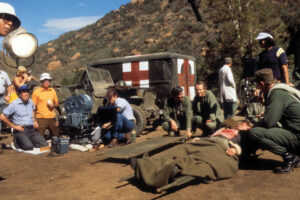
The studio’s wardrobe department housed thousands of costumes from decades of film production, including pieces worn by genuine Hollywood royalty. When Jamie Farr needed outfits for Klinger’s increasingly elaborate schemes, costume designers simply raided this treasure trove of cinematic history. That stunning gold lamé dress Klinger wore? It had previously adorned Ginger Rogers in a major motion picture. The elegant pink gown that appeared in another episode? Betty Grable wore it first. The famous Cleopatra costume, complete with elaborate headdress? That remarkable ensemble came directly from the Fox costume archives as well.
This creative recycling served multiple purposes beyond simple budget consciousness. First, it meant Klinger wore genuinely high-quality costumes rather than cheap knockoffs. These weren’t Halloween store purchases but professional film wardrobe pieces designed for close-up photography and constructed with meticulous attention to detail. When Klinger appeared on screen in these outfits, they looked authentically theatrical because they were authentic theater costumes. The quality elevated the visual comedy—the contrast between a desperate enlisted man and genuinely glamorous clothing created stronger comedic impact than cheap costumes would have achieved.
Second, using archived costumes from famous productions created an unintentional meta-commentary on Hollywood itself. Audiences watching MAS*H were seeing pieces of film history repurposed for television comedy. The costumes carried their own backstories—they’d been designed for specific films, tailored for specific actresses, and preserved as part of studio history. Now they were getting a second life in an entirely different context, transformed from glamour into absurdist comedy through the power of recontextualization.
The Smithsonian Institution eventually recognized the cultural significance of these costumes, acquiring several key pieces from Klinger’s wardrobe for their permanent collection. The museum’s collection includes the famous Cleopatra ensemble, acknowledging that these costumes represented not just MAS*H history but broader television and cultural history. The fact that formal museum curators considered Klinger’s dresses worthy of preservation alongside other significant American artifacts demonstrates how a simple production decision—raiding the Fox wardrobe department—created something culturally valuable.
Jamie Farr himself embraced these costumes enthusiastically, understanding they elevated his character beyond simple cross-dressing jokes. He treated each outfit seriously, wearing them with commitment and dignity that made Klinger’s desperation feel genuine rather than mocking. The combination of Farr’s sincere performance and genuinely beautiful costumes created comedy that worked on multiple levels—funny because of the situation’s absurdity, but also touching because of Klinger’s obvious homesickness and willingness to try absolutely anything to return to Toledo.
A Wildfire Changed Everything
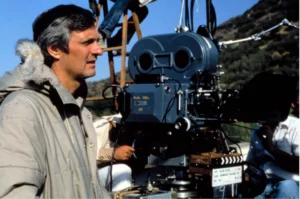
In October 1982, during production of MAS*H’s final season, a massive wildfire swept through the Malibu Creek area where the show’s exterior set had been located since 1972. The outdoor camp representing the 4077th Mobile Army Surgical Hospital sat on the former Fox Ranch property in the Santa Monica Mountains, and when the fire roared through, it consumed much of the surrounding landscape. The production team faced a potentially devastating setback—their primary filming location had been dramatically altered by natural disaster.
Rather than attempting to restore the landscape to its pre-fire appearance or relocating production to an entirely different location, the show’s creators made a bold decision: they would incorporate the burned landscape directly into the show’s narrative. The charred hillsides and scorched vegetation would become part of the 4077th’s environment, a visible reminder of the war’s destructive impact on the Korean countryside. This decision transformed a production crisis into a thematic opportunity.
The fire’s impact appeared throughout the final season, giving those episodes a distinctly different visual character from earlier years. The lush greenery that had characterized the camp’s surroundings gave way to a more desolate, war-torn appearance. While the actual Korean War never came close to the real filming location, the burned landscape ironically made the set look more authentically war-ravaged than it ever had before. The destruction created by natural wildfire mimicked the destruction of actual combat, lending visual authenticity to a show that had always filmed in peaceful California.
This adaptation demonstrated the production team’s remarkable flexibility and willingness to turn obstacles into advantages. They could have fought the change, spending significant resources trying to make the location look exactly as it had for ten previous seasons. Instead, they recognized that the altered landscape served the show’s themes. MAS*H had always been about people enduring in harsh, damaged environments—now their filming location literally embodied that concept.
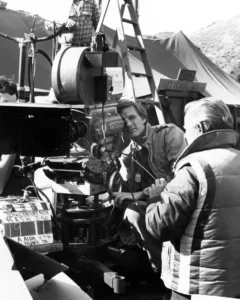
The burned landscape also proved oddly appropriate for the show’s final season, which dealt extensively with endings, exhaustion, and the psychological toll of prolonged war. The scorched hillsides surrounding the 4077th camp visually reinforced the emotional devastation the characters experienced. When the series finale “Goodbye, Farewell and Amen” dealt with Hawkeye’s traumatic breakdown and the camp’s eventual departure from Korea, the damaged landscape surrounding them reflected their internal states. The wildfire had inadvertently provided perfect visual metaphor for the show’s conclusion.
Today, visitors can still hike to the MAS*H filming location at Malibu Creek State Park. The site has been partially restored with replica signage, and the hiking trail to reach it remains popular with fans. The landscape has recovered from the 1982 fire, though the area continues experiencing periodic wildfires typical of Southern California. The site stands as a testament to both the show’s enduring popularity and the production team’s ability to adapt creatively to unexpected challenges.
Production Secrets That Made Television History
These three behind-the-scenes stories reveal essential truths about MASH’s success. The laugh track battle showed the creative team’s unwillingness to compromise their vision despite network pressure. The costume recycling demonstrated resourceful creativity that honored both budget reality and artistic quality. The wildfire adaptation illustrated flexibility in the face of disaster, turning obstacles into thematic opportunities. Together, these production decisions shaped MASH into something far greater than a standard sitcom.
Understanding these backstage struggles and creative solutions deepens appreciation for the show itself. Every laugh-track-free operating room scene represents a battle won against network orthodoxy. Every elaborate Klinger outfit connects viewers to Hollywood’s golden age through repurposed glamour. Every final season shot incorporating burned landscape shows creative adaptation to uncontrollable circumstances. The show we love emerged from constant negotiation between artistic vision and practical reality.
MAS*H succeeded not despite these production challenges but partly because of them. The constraints forced creative thinking. The battles for artistic control produced a show more distinctive than network formulas would have allowed. The unexpected disasters created authentic visual elements that enhanced rather than diminished the final product. These behind-the-scenes secrets remind us that television greatness rarely emerges easily—it’s fought for, adapted to, and crafted through determination and vision.