Maxwell Q. Klinger wasn’t just a character on MAS*H—he was a comedic force of nature who transformed every scene he touched into something unexpectedly hilarious. While his elaborate wardrobe of women’s clothing became iconic, the real magic happened in his interactions with other characters. Jamie Farr brought such perfect timing and genuine heart to Klinger that even his most outrageous moments felt authentic, and nowhere was this more evident than in his dynamic relationships with the rest of the 4077th.
What made Klinger’s comedy so effective wasn’t just the visual gag of a man in a dress trying to convince the Army he was crazy. It was the way he bounced off every personality around him, adapting his approach while maintaining his essential Klinger-ness. Whether facing down authority figures, needling pompous surgeons, or sharing vulnerable moments with fellow enlisted men, Klinger brought a unique energy that elevated everyone’s performance. These six moments showcase the comedic genius that emerged when Klinger collided with the other unforgettable characters of MAS*H.
Klinger vs. Winchester: The Class War Gets Personal
Charles Emerson Winchester III arrived at the 4077th dripping with Boston Brahmin superiority, and Klinger immediately recognized him as the perfect target. Their interactions crackled with a specific kind of comedy—the working-class scrapper versus the pompous aristocrat. Winchester looked down his considerable nose at Klinger’s antics, while Klinger took gleeful pleasure in puncturing Winchester’s carefully maintained dignity.
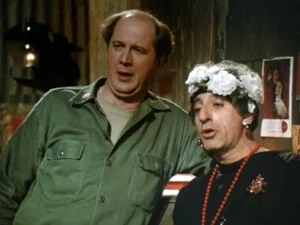
One particularly brilliant moment occurred when Klinger, dressed in an elaborate outfit, calmly explained some clerical procedure to Winchester. The Major’s barely contained horror at having to take orders from someone wearing pearls and heels created comedy gold. Winchester’s facial expressions alone could have powered an entire episode, but Klinger’s deadpan delivery of completely sensible information while wearing completely outrageous clothing pushed the scene into legendary territory.
The beauty of their dynamic was that Klinger often won these exchanges not through chaos, but through competence. As company clerk, he actually knew how things worked, and Winchester—for all his surgical brilliance—needed Klinger’s help navigating Army bureaucracy. Watching Winchester swallow his pride to ask Klinger for favors, while Klinger maintained perfect professional courtesy tinged with just a hint of smugness, provided some of the series’ most satisfying comedy.
Potter’s Exasperation: The Regular Guy Meets Maximum Insanity
Colonel Sherman Potter represented everything Klinger theoretically should have feared—a career military officer with actual authority to deny his Section 8 discharge. Yet their relationship developed into something far more interesting than simple adversaries. Potter was too smart to take Klinger’s schemes seriously, but too decent to be genuinely cruel about them. This created a unique comedic dynamic where both men understood the game they were playing.
The running joke of Klinger appearing in increasingly elaborate costumes while Potter barely glanced up from his paperwork became one of the show’s most reliable laugh generators. “That won’t work either, Klinger” delivered in Potter’s matter-of-fact tone while Klinger stood there dressed as Cleopatra or the Statue of Liberty somehow never got old. Harry Morgan’s timing was impeccable—he treated Klinger’s Section 8 attempts with the same weary patience a father shows his teenager’s constantly evolving excuses.
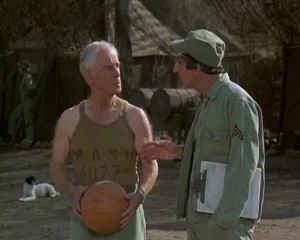
But the truly golden moments came when Potter’s exasperation broke through his military composure. When Klinger pushed just a little too far, Potter’s explosions were magnificent. Yet even in these moments, you could sense the underlying affection. Potter recognized that Klinger was actually excellent at his job when he wasn’t trying to get kicked out of the Army. Their relationship demonstrated that sometimes the funniest comedy comes from mutual respect expressed through ritualized conflict.
Klinger and Hawkeye: Partners in Pranks
While Hawkeye Pierce targeted authority and pomposity with surgical precision, Klinger’s rebellion took a more theatrical form. When these two joined forces, the results could be spectacularly chaotic. Both men were essentially decent people driven slightly mad by war’s absurdity, and both used comedy as survival mechanism. Their collaborations produced some of MAS*H’s most elaborate pranks and schemes.
What made their interactions special was the ease of their friendship. Hawkeye never mocked Klinger’s Section 8 attempts—he understood them as a perfectly reasonable response to an unreasonable situation. In return, Klinger appreciated Hawkeye’s more subtle forms of rebellion. They recognized each other as kindred spirits, both refusing to let the Army break their essential humanity.
One memorable sequence showed them working together to obtain something the camp desperately needed, with Klinger using his supply connections and Hawkeye providing medical authority for creative requisition justifications. Their synchronized double-talk as they bamboozled some unsuspecting supply sergeant demonstrated comedy teamwork at its finest. They didn’t even need to plan—they intuitively understood each other’s rhythms and could improvise elaborate scams on the fly.
Margaret’s Gradual Acceptance: From Horror to Camaraderie
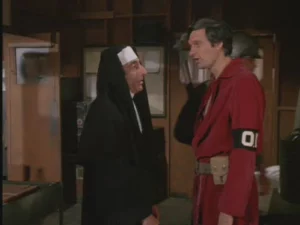
Early in the series, Major Margaret Houlihan represented everything straight-laced and by-the-book. Her initial reactions to Klinger’s wardrobe were exactly what you’d expect—shock, horror, and demands that something be done about this obvious violation of military standards. Watching this dynamic evolve over eleven seasons provided one of the show’s most satisfying character arcs, and the comedy evolved right along with it.
As Margaret herself grew beyond her “Hot Lips” persona and became a more nuanced character, her interactions with Klinger transformed. She began to recognize his actual competence, appreciate his loyalty to the camp, and even participate in some of his schemes. The moments when Margaret actively helped Klinger with some plan, while still maintaining her officer dignity, created a delicious comedic tension.
One particularly touching-yet-funny moment occurred when Klinger needed Margaret’s assistance with something personal, and she provided it without hesitation. Their interaction showed genuine affection beneath the surface—she might roll her eyes at his antics, but she’d also fight for him when it mattered. The comedy became richer because it grew from real relationship development rather than just repeated gags.
Father Mulcahy: The Gentle Straight Man
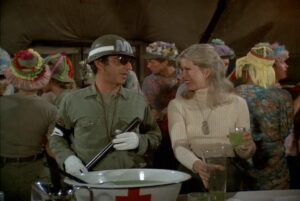
Father Mulcahy’s interactions with Klinger highlighted the chaplain’s fundamental decency and occasional bewilderment at the secular chaos around him. Mulcahy treated Klinger with unfailing kindness regardless of what he was wearing, creating a gentle comedy of manners rather than sharp conflict. The priest’s slight confusion about whether he should address certain theological questions to someone dressed as Carmen Miranda provided consistently sweet humor.
What made these scenes work was William Christopher’s brilliant portrayal of Mulcahy as someone genuinely trying to do right by everyone. When Klinger showed up in full regalia asking for spiritual guidance, Mulcahy would focus entirely on the actual question, politely ignoring the visual distraction. His determination to treat Klinger with dignity no matter what created comedy through contrast—the mundane conversation about faith or ethics happening while Klinger wore an evening gown and tiara.
The two also shared moments of surprising vulnerability. Both were gentle souls trying to maintain humanity in an inhumane situation. When Klinger occasionally dropped his Section 8 persona to reveal genuine fear or sadness, Mulcahy was there with authentic comfort. These moments didn’t diminish the comedy—they enhanced it by reminding us that real people existed beneath the jokes.
Klinger and Radar: The Toledo-Iowa Connection
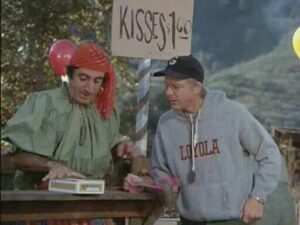
Before Klinger became company clerk, Radar O’Reilly held that position, and watching the two enlisted men interact provided a specific flavor of comedy. Both were essentially decent small-town boys trying to survive something much bigger than themselves. Radar’s wide-eyed innocence contrasted beautifully with Klinger’s more worldly cynicism, yet they found common ground in their homesickness and shared enlisted-man perspective.
One particularly funny recurring element was Radar’s complete acceptance of Klinger’s wardrobe as just another quirk, no more remarkable than Radar’s teddy bear or his ability to hear helicopters before anyone else. Radar would discuss some serious supply issue with Klinger while Klinger adjusted his earrings, and neither acknowledged anything unusual about the situation. This casual acceptance created its own comedy through the contrast between the serious conversation and the absurd visual.
Their farewell scene, when Radar finally got to go home, demonstrated how genuine their friendship had become. Klinger’s gift to Radar was heartfelt, and Radar’s concern about who would carry on the Section 8 tradition showed mutual respect. The comedy they’d shared had been built on real affection, making their relationship one of the show’s most consistently delightful elements.
The Secret Ingredient: Heart Beneath the Humor
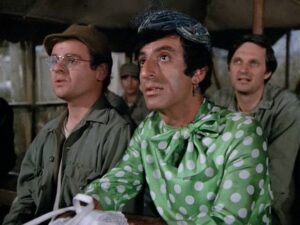
What elevated all of Klinger’s interactions from mere gags to genuinely memorable comedy was Jamie Farr’s insistence on playing the character with authentic emotion. Klinger wasn’t just a clown in a dress—he was a scared, homesick kid from Toledo using whatever tools he had to try to survive. Every outrageous outfit represented hope that maybe this time, he’d get to go home to his family.
This underlying pathos made the comedy richer and more satisfying. When Colonel Potter rejected another Section 8 attempt, we laughed at the joke while simultaneously feeling Klinger’s disappointment. When Winchester mocked his background, we enjoyed the class-war banter while recognizing real pain beneath Klinger’s comebacks. The humor never existed in a vacuum—it grew from genuine human experience.
This approach also allowed the show to eventually retire the dress gimmick without losing Klinger’s comedic value. As he matured into the company clerk role, stopped pursuing his discharge, and even found love in Korea, Klinger remained funny because his comedy came from who he was, not just what he wore. His interactions with other characters continued to generate laughs because the relationships themselves were authentic.
Legacy of Laughter
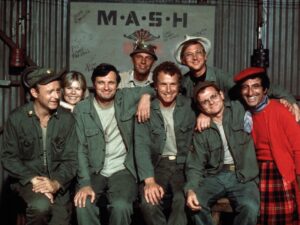
Decades after MAS*H ended, Klinger’s moments with other characters remain remarkably rewatchable. The comedy holds up because it was built on strong character relationships rather than cheap jokes or dated references. Whether he was exasperating Potter, needling Winchester, collaborating with Hawkeye, earning Margaret’s respect, confiding in Mulcahy, or bonding with Radar, Klinger brought something unique to every interaction.
These six types of moments represent just a fraction of Klinger’s comedic legacy, but they showcase why the character became so beloved. He wasn’t just funny—he was human. His interactions reminded us that comedy works best when it grows from authentic relationships, that humor can coexist with genuine emotion, and that sometimes the most outrageous exterior can hide the most sincere heart. That’s a lesson in comedy that remains as relevant today as it was in the 1970s, and it’s why we’re still laughing at Maxwell Q. Klinger’s greatest hits.