In an era of unprecedented television abundance, where countless streaming services offer endless content and new shows premiere constantly, it’s easy to overlook television classics. Yet MASH represents a unique phenomenon—a show that didn’t merely entertain audiences during its original 1972-1983 run but continues to offer profound rewards to viewers who encounter or re-encounter it decades after its finale. Revisiting MASH isn’t simply an exercise in nostalgia; it’s an opportunity to experience one of television’s greatest achievements with fresh perspective, deepened understanding, and appreciation for what made the show genuinely revolutionary. Here are five compelling reasons why you should revisit MAS*H, regardless of whether you experienced it originally or are discovering it for the first time.
Reason One: Life Experience Transforms Your Understanding
The most compelling reason to revisit MASH is that your life experience fundamentally changes how you perceive and understand the show’s themes. When audiences first watched MASH during its original broadcast, many were younger, less experienced with loss, and hadn’t yet confronted the full complexity of moral compromise that adult life inevitably entails. Scenes that might have seemed merely dramatic or comedic take on entirely new resonance when viewed through the lens of accumulated experience.
Consider, for instance, MAS*H’s treatment of friendship. The show explores how intense circumstances forge bonds that transcend normal social relationships, how people can care for each other deeply while simultaneously frustrating or disappointing one another, and how these connections persist despite separation and life changes. Young viewers might appreciate these themes intellectually; viewers who have experienced genuine friendship, its joys and complications, understand them at a visceral level that transforms their viewing experience.

Similarly, the show’s examination of how people maintain humanity and humor in the face of systematic dehumanization takes on new meaning for viewers who have encountered their own difficult circumstances. MAS*H’s fundamental insight—that comedy and tragedy coexist, that people laugh even amid suffering, that maintaining perspective and connection in crisis is a genuine survival strategy—becomes more profound with age and experience. What seemed like clever writing in youth becomes wisdom in maturity.
Reason Two: The Writing Rewards Close Attention
Another compelling reason to revisit MAS*H involves the sophistication of its writing, something that reveals itself more fully upon second or subsequent viewings. Television episodes function somewhat like novels—they contain layers of meaning, callbacks to previous episodes, subtle character development, and thematic complexity that reward close attention. Initial viewings might focus on plot and immediate emotional reactions; subsequent viewings allow you to notice the craftsmanship beneath the surface.
MAS*H’s writers demonstrated remarkable consistency in characterization while also allowing characters to evolve throughout the series’ eleven-season run. Margaret Houlihan’s transformation from rigid stereotype to fully realized human being unfolds gradually, building toward moments of profound vulnerability that carry greater impact when you understand the character’s entire arc. Hawkeye’s increasing cynicism reflects accumulating trauma rather than simple character inconsistency. These character progressions might be partially apparent during initial viewing but become crystalline upon revisiting.
Furthermore, MAS*H’s writers frequently embedded commentary on contemporary events into historical Korean War settings. The show’s examination of institutional power, bureaucratic absurdity, moral compromise, and the disconnect between those ordering war and those fighting it carries obvious relevance to audiences across different eras. Revisiting episodes decades after their original broadcast allows you to appreciate both the show’s timeless themes and its specific historical commentary.

Reason Three: Performance Excellence Deepens With Familiarity
A third reason to revisit MAS*H involves appreciating the extraordinary performances in ways that initial viewing might not allow. When encountering episodes for the first time, viewers naturally focus on plot and immediate dramatic action. Once you know the basic narrative arcs, subsequent viewings allow you to focus on the nuances of performance—subtle facial expressions, vocal inflections, moments of character interaction that deepen understanding without drawing attention to themselves.
The ensemble cast of MAS*H demonstrated remarkable range, moving seamlessly between comedy and drama while maintaining character consistency. Alan Alda’s Hawkeye could deliver a perfectly timed comedic line and transition into profound emotional vulnerability within the same scene. Margaret’s performances evolved from surface competence to revealing genuine depth. Jamie Farr’s Klinger managed simultaneous comedy and unexpected poignancy. These performances reward close attention; revisiting allows you to appreciate the actors’ artistry in ways that rapid plot movement might obscure.
Moreover, knowing how characters’ arcs ultimately resolve allows viewers to appreciate foreshadowing and character setup that earlier viewing might miss. Scenes take on different meaning when you understand their ultimate significance. Dialogue that seemed incidental becomes meaningful. Revisiting allows you to see the entire narrative tapestry rather than simply watching individual episodes unfold.
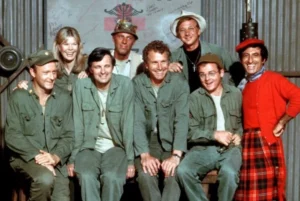
Reason Four: The Finale Transforms Your Understanding of Everything
MAS*H’s series finale remains one of television’s most significant achievements—a conclusion that honors the show’s complexity rather than providing easy resolution. The finale’s profound emotional impact depends partly on understanding the relationships and themes developed across eleven seasons. Revisiting the show with the knowledge of how it ends allows viewers to appreciate the finale’s significance from the beginning, understanding how the entire series builds toward its conclusion.
The finale’s power isn’t based on shocking plot developments but rather on the weight of accumulated emotional investment and the show’s themes about how war changes people permanently. Knowing the finale’s direction allows viewers to appreciate how seemingly incidental character moments early in the series echo in the finale’s profound statements. The show becomes a unified artistic work rather than a series of discrete episodes, and revisiting allows you to appreciate its architectural elegance.
Reason Five: Cultural Significance and Historical Context
Finally, revisiting MASH allows you to appreciate the show’s historical significance and cultural impact. MASH premiered during the Vietnam War era and ran through the early 1980s, addressing contemporary concerns through a Korean War setting. Understanding the historical context in which episodes were created adds another layer to viewing. The show’s antiwar messages, its examination of institutional power, its exploration of how people maintain ethics within corrupt systems—these themes carried specific relevance to audiences living through particular historical moments.
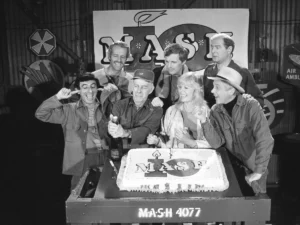
Revisiting MASH allows modern viewers to appreciate how the show functioned both as entertainment and as cultural commentary. It demonstrated television’s potential to address serious themes while remaining commercially accessible. It proved that audiences would embrace sophisticated storytelling if it was presented with genuine emotion and craft. Understanding MASH’s influence on subsequent television helps contemporary viewers appreciate what makes the show historically important.
The Reward of Revisiting
Revisiting MASH offers rewards that initial viewing cannot provide. Life experience deepens understanding, familiarity allows attention to craftsmanship, and knowing the overall arc provides new perspective on individual episodes. The show’s themes about friendship, morality, and human resilience resonate across decades, remaining relevant to audiences regardless of when they encounter the series. Whether you’re rediscovering MASH after years of absence or experiencing it for the first time, revisiting the show promises genuine rewards—laughter, tears, insight, and appreciation for one of television’s genuine masterpieces.