While audiences primarily focus on central characters like Hawkeye and Margaret, MASH’s true brilliance reveals itself through magnificent supporting characters who appear less frequently yet create indelible impressions lasting forever. These four supporting characters represent television’s finest achievement in creating meaningful roles transcending screen time. Their presence enriches the entire series, demonstrating that character significance depends not on frequency but on depth, authenticity, and emotional resonance.
Supporting characters in MASH received development typically reserved for protagonists in other series. Rather than remaining flat background figures, they evolved into complex individuals whose brief appearances carried disproportionate emotional weight. These four characters exemplify how television can create meaningful roles for actors appearing in limited episodes while achieving lasting impact far exceeding their screen presence.
Character 1: Sergeant Maxwell Q. Klinger – The Tragic Comedian
While Klinger eventually became series regular, he initially appeared as quirky supporting character whose cross-dressing attempts for discharge seemed simple comic relief. Yet Jamie Farr transformed Klinger into profoundly complex character whose humor masked genuine psychological struggle. His increasingly elaborate outfits represented desperate attempt to maintain individual identity within institutional dehumanization.
What distinguishes Klinger as unforgettable supporting character involves the gradual revelation that his eccentricity masks authentic vulnerability. The show reveals someone fundamentally lonely, displaced from home, and using spectacular clothing as armor against psychological devastation. His humor never entirely disappears, yet viewers increasingly recognize it as coping mechanism rather than simple comedy.

Klinger’s character arc demonstrates that supporting roles can contain extraordinary depth when writers commit to genuine character development. His journey from comic relief to sympathetic figure creates unexpected emotional investment. Viewers who initially dismissed him as novelty character gradually recognize genuine humanity beneath the performance. This transformation rewards careful viewing, revealing that entertainment’s greatest achievements often emerge from characters initially seeming peripheral.
Modern audiences particularly appreciate Klinger’s character because he represents early television exploration of identity beyond rigid gender and institutional categories. His refusal to conform to military uniformity through radical self-presentation resonates with contemporary discussions about individual expression and authenticity. Klinger’s determination to remain recognizably himself despite institutional pressure suggests that genuine resistance to dehumanization requires sustained commitment to individual identity.
Character 2: Father John Patrick Mulcahy – The Questioning Priest
William Christopher’s Father Mulcahy represents one of television’s most nuanced portrayals of religious faith confronting genuine suffering. Initially appearing as stereotypical chaplain spouting platitudes, Mulcahy gradually reveals profound theological crisis. His presence raises questions about meaning, faith, and moral purpose that the show never entirely resolves.
Mulcahy’s significance as supporting character involves his function as moral compass simultaneously questioning his own moral foundation. He provides spiritual guidance while experiencing spiritual doubt. This contradiction creates authentic complexity rarely portrayed in television, where religious characters typically maintain unwavering certainty or complete abandonment of faith. Mulcahy exists in complicated middle ground—continuing to serve others while genuinely questioning whether his faith possesses validity.
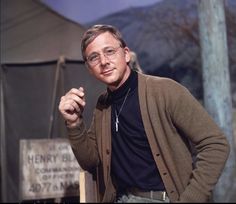
What makes Mulcahy unforgettable involves recognizing that his doubt doesn’t diminish his value or dedication to unit’s spiritual welfare. He continues ministering precisely because he recognizes people need spiritual presence regardless of whether faith provides certain answers. His crisis demonstrates that genuine faith sometimes involves accepting mystery and uncertainty rather than requiring definitive answers.
Modern audiences recognize Mulcahy’s character as ahead of its time regarding religious complexity. Contemporary society increasingly recognizes that spiritual questioning and genuine faith need not conflict. Mulcahy’s willingness to admit doubt while continuing to serve demonstrates authentic spirituality transcending simplistic categories of believing or non-believing.
Character 3: General Hammond – The Sympathetic Authority Figure
G.W. Bailey’s General Hammond appears less frequently than other supporting characters, yet creates remarkable impact through concentrated presence. Rather than portraying military authority as distant or antagonistic, Hammond represents compassionate leadership attempting to maintain humanity within bureaucratic systems. His rarer appearances actually enhance his significance—each scene carries weight precisely because audiences don’t encounter him constantly.
Hammond’s character resolves apparent contradiction between institutional hierarchy and genuine human concern. He maintains military authority while treating subordinates with authentic respect and recognition of their individual worth. This demonstrates possibility that power structures need not preclude genuine human connection. Leaders can maintain necessary authority while genuinely caring about those under their command.

What makes Hammond unforgettable involves his representation of possibility that institutional systems can incorporate human values. He doesn’t simply enforce regulations but questions whether regulations serve their purported purposes. His occasional appearance suggests that sanity and compassion remain possible within military institution, offering counternarrative to purely cynical institutional critique.
Modern audiences appreciate Hammond’s character because he suggests that leadership can balance authority with empathy. Contemporary discussions of toxic leadership and institutional reform often assume that power corrupts inevitably. Hammond’s presence reminds viewers that some leaders maintain genuine commitment to those they command, using authority to protect rather than exploit.
Character 4: Colonel Sherman Potter – The Reluctant Leader
While Colonel Potter eventually becomes central character, he initially appears as supporting figure replacing Colonel Blake. Harry Morgan transformed Potter into irreplaceable ensemble member whose gradual evolution into central authority figure demonstrates how television can organically shift character significance based on actor performance and character development.
Potter represents sophisticated exploration of leadership under impossible circumstances. Unlike Blake’s sometimes bumbling command style, Potter combines military professionalism with genuine care for unit’s psychological welfare. His presence suggests that effective leadership requires acknowledging subordinates’ humanity while maintaining necessary discipline and institutional authority.

What makes Potter unforgettable involves his function as emotional anchor for the entire ensemble. Characters confide in Potter not simply because he commands authority but because they recognize genuine concern beneath his professional demeanor. His rare moments of vulnerability—his worries about family, his occasional emotional breakdowns—create reciprocal connection where characters understand that their commander bears equivalent psychological burden.
Modern audiences recognize Potter’s character as representing evolved military leadership. Contemporary discussions of military reform often focus on how institutions can better support personnel’s psychological and emotional needs. Potter’s model of leadership that combines authority with empathy offers template for institutional change respecting both discipline and humanity.
Why These Supporting Characters Matter
These four characters achieve something television rarely accomplishes: creating unforgettable roles not through screen time but through character depth, emotional authenticity, and meaningful contributions to ensemble narrative. Their presence demonstrates that supporting characters possess equal capacity to move audiences as protagonists when writers commit to genuine character development.
MASH’s success partly derives from its refusal to create disposable supporting players. Every character receives sufficient development to feel genuinely real. This commitment to ensemble excellence influenced subsequent television, establishing standards for treating supporting roles with same artistic attention given to central characters.
These four characters exemplify television’s potential to explore human complexity authentically. They demonstrate that meaningful characters emerge not from dramatic intensity or central narrative position but from genuine character development, emotional authenticity, and commitment to portraying flawed, complicated people struggling to maintain humanity amid impossible circumstances.
Modern audiences return to these supporting characters because they validate that human significance doesn’t correlate with prominence. Quiet, peripheral people possess profound worth. Their struggles matter genuinely. Their presence enriches everyone around them. MASH celebrates these supporting characters precisely because their humble significance reflects authentic human experience—most people occupy supporting rather than central roles in others’ narratives while occupying central position in their own experience.