Hawkeye Pierce stands as one of television’s most psychologically complex characters. Yet beneath his constant humor and witty deflection exists profound ambiguity about his true nature, motivations, and internal emotional state. These three intriguing questions about Hawkeye reveal layers of character complexity that demand serious examination. Understanding Hawkeye requires moving beyond surface charm into recognition of the sophisticated psychological portrait Alan Alda created across eleven seasons.
Hawkeye functions simultaneously as comic relief and tragic figure. His humor masks genuine psychological damage. His charm conceals desperation. His constant wisecracks represent defense mechanism against unbearable reality. These contradictions make him fascinating character study—someone fundamentally divided between public persona and private suffering. Exploring questions about his true nature illuminates MASH’s profound understanding of human psychology.
Question 1: Is Hawkeye’s Humor Genuine Coping Mechanism or Dangerous Psychological Defense?
Throughout MASH, Hawkeye maintains nearly constant humor. He jokes during surgical procedures, pranks colleagues, and maintains witty banter even during devastating circumstances. This prompts fundamental question: does his humor represent healthy coping strategy helping him process trauma, or does it constitute dangerous psychological defense preventing genuine emotional processing?

The show suggests answer contains genuine complexity rather than simple resolution. Hawkeye’s humor unquestionably helps him survive circumstances that would psychologically destroy less resilient person. His ability to find absurdity within devastating situations provides psychological breathing room. His jokes create temporary distance from horror surrounding him. In this sense, humor functions as legitimate survival mechanism—essential psychological tool enabling continuation.
Yet the show also suggests Hawkeye’s humor prevents genuine emotional processing. Moments when his humor fails—when circumstances become too devastating for comedy—reveal genuine psychological distress underneath joking exterior. His breakdown sequences demonstrate that constant joking cannot indefinitely substitute for authentic emotional processing. He cannot joke away genuine trauma; he can only postpone confrontation with it.
The show’s genius lies in refusing to judge Hawkeye’s coping mechanism harshly. It suggests that humans use whatever survival strategies available. Hawkeye’s humor, while imperfect, enables him to function when silence would create psychological paralysis. Yet the show simultaneously acknowledges that humor’s limitations—that eventually, real trauma requires real emotional engagement.
Modern audiences recognize in Hawkeye authentic representation of how trauma survivors often respond. We use humor as shield. We make jokes to maintain psychological distance. We present ourselves as fine when internally devastated. Hawkeye validates this response while simultaneously suggesting its ultimate insufficiency. His character arc teaches that while humor helps us survive, genuine healing requires moving beyond comedy into authentic emotional engagement.

Question 2: Does Hawkeye Genuinely Love Margaret, or Does He Simply Pursue Her Because She’s Unavailable?
The Hawkeye-Margaret dynamic remains one of MASH’s most compelling romantic tensions. Throughout the series, Hawkeye pursues Margaret while simultaneously maintaining that their relationship cannot work. He expresses genuine affection while maintaining emotional distance. This prompts crucial question: does Hawkeye genuinely love Margaret, or does he remain attracted primarily because pursuit is safer than actual commitment?
The show presents evidence supporting both interpretations. Hawkeye clearly experiences genuine affection for Margaret. He demonstrates protective instinct. He shows genuine concern about her welfare. He recognizes her intelligence, capability, and fundamental worth. His vulnerability around her suggests authentic emotional connection beyond simple attraction.
Yet the show also suggests Hawkeye may unconsciously maintain distance precisely because Margaret remains unattainable. His humor prevents genuine emotional vulnerability with her. His constant jokes create barrier preventing real intimacy. He pursues while simultaneously ensuring pursuit remains incomplete. This dynamic suggests Hawkeye might love Margaret while simultaneously protecting himself from actual commitment through maintaining pursuit while avoiding resolution.
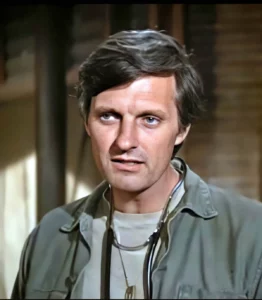
The show never definitively answers this question, instead leaving viewers to contemplate Hawkeye’s own uncertainty about his feelings. Does he genuinely love Margaret but lack courage for actual commitment? Does he pursue her precisely because he knows pursuit cannot succeed? Does he convince himself he loves her while actually using her as emotional anchor preventing more threatening relationships?
This ambiguity makes Hawkeye’s character genuinely complex. He remains uncertain about his own motivations. His constant humor prevents genuine self-examination. He processes the world through comedy rather than introspection. This suggests someone fundamentally divided against himself—someone simultaneously genuine in his affections while incapable of authentic vulnerability.
Modern audiences recognize in Hawkeye authentic representation of emotional avoidance. We know people (and may recognize ourselves) who maintain intense feelings for unavailable people while avoiding actual commitment. Hawkeye’s inability to definitively answer whether he loves Margaret reflects authentic human complexity. Sometimes we ourselves don’t fully understand our own emotional motivations.
Question 3: Will Hawkeye Ever Genuinely Heal, or Will He Carry War’s Psychological Scars Forever?
Throughout MASH, Hawkeye demonstrates remarkable psychological resilience. He continues functioning despite overwhelming trauma. He maintains relationships and creates meaning amid chaos. Yet the show consistently suggests that genuine healing may remain impossible. War has fundamentally altered him in ways that cannot be reversed through simple recovery.
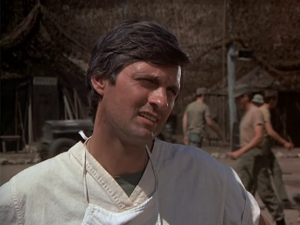
The series finale presents Hawkeye attempting to process his wartime experiences through therapeutic recounting. He attempts to explain what he’s witnessed and become. Yet his account gradually becomes incoherent—his mind protecting itself by fragmenting traumatic memories. This suggests that some experiences transcend language and therapeutic processing. Some trauma becomes part of personality itself rather than something that can be processed and released.
The show asks whether Hawkeye will ever genuinely heal or whether he’ll spend remaining life carrying wartime scars. His humor has kept him functional, but will it prevent genuine healing? Can someone so accustomed to deflection through comedy ever develop healthier emotional processing? Will homecoming restore him to normalcy, or will he discover that normalcy remains permanently inaccessible?
The show refuses to provide comforting answers. It suggests that some experiences permanently mark us. We cannot return to who we were before them. Hawkeye will likely carry war’s psychological weight throughout his life. He may develop healthier coping mechanisms. He may eventually establish genuine relationships based on authentic vulnerability rather than humor and deflection. Yet the show suggests he cannot genuinely “recover” in sense of returning to state preceding war.
This reflects authentic understanding of trauma. Not all trauma resolves through therapy and time. Some experiences fundamentally alter us. We don’t recover from them; we integrate them into our ongoing existence. Hawkeye’s ultimate fate likely involves learning to live with permanent psychological alteration rather than miraculous recovery restoring him to pre-war normalcy.

Modern audiences recognize in Hawkeye authentic representation of long-term trauma survivors. We understand that healing doesn’t mean returning to previous state. It means integrating experience and continuing forward despite permanent alteration. Hawkeye’s ambiguous future—where recovery remains uncertain and complete healing may prove impossible—reflects genuine trauma survivor experience better than comforting narratives suggesting time heals all wounds.
Why These Questions Matter
These three questions reveal MASH’s fundamental sophistication regarding psychological portrayal. Rather than presenting characters as simply good or bad, mentally healthy or damaged, the show explores genuine psychological complexity. Hawkeye remains ambiguous—simultaneously charming and defensive, affectionate and avoidant, functional yet psychologically damaged.
Understanding Hawkeye requires accepting that people contain contradictions. We can simultaneously use effective coping mechanisms and employ psychological defense preventing genuine healing. We can genuinely love people while unconsciously maintaining emotional distance. We can demonstrate remarkable resilience while carrying permanent psychological scars.

Modern audiences appreciate this psychological realism. We live in era increasingly recognizing trauma’s genuine costs. We understand that military service, emergency medicine, or other intense experiences permanently alter people. We recognize that humor often masks genuine suffering. We appreciate media portraying such complexity rather than offering false reassurance about quick recovery or complete healing.
Hawkeye Pierce ultimately represents television’s most nuanced exploration of trauma survivor psychology. His character demonstrates that genuine strength includes acknowledging suffering’s reality. It includes recognizing that some damage cannot be repaired, only integrated. It includes accepting that people we love carry scars we cannot fully understand or heal. His ambiguous complexity makes him perpetually relevant to audiences navigating their own psychological challenges and recognizing trauma’s genuine costs.