Television entertainment rarely attempts to teach genuine lessons about sacrifice without resorting to heavy-handed moralizing or manufactured sentimentality. Yet MAS*H managed something remarkable: it wove profound truths about sacrifice throughout its narrative fabric, allowing viewers to discover these lessons organically through character experience rather than explicit instruction. The show’s exploration of what humans sacrifice, why they sacrifice, and what sacrifice ultimately costs reveals insights extending far beyond its wartime setting.
The beauty of MAS*H’s approach to sacrifice involves its refusal to romanticize suffering. Rather than celebrating sacrifice as noble achievement, the show portrayed it as painful necessity undertaken by individuals who recognize that certain situations demand personal cost. This grounded approach to sacrifice created something more authentic and ultimately more inspiring than conventional heroic narratives.
Lesson One: True Sacrifice Often Demands Personal Pain Without Recognition
MAS*H consistently portrayed acts of genuine sacrifice occurring without audience, acknowledgment, or reward. Surgeons performed life-saving procedures knowing that in many cases, patients would die despite excellent care. Nurses comforted suffering individuals knowing that comfort rarely extended beyond temporary palliation. Characters made difficult decisions that benefited others while compromising their own psychological wellbeing.
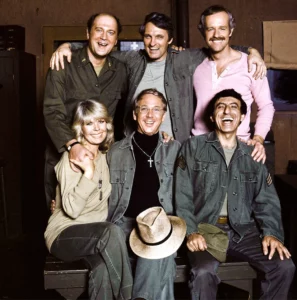
This portrayal taught an essential lesson: authentic sacrifice rarely receives validation. The show suggested that individuals who sacrifice primarily for external recognition misunderstand sacrifice’s essential nature. Genuine sacrifice involves serving others’ wellbeing even when that service remains invisible and unappreciated. The characters who earned greatest respect demonstrated commitment to patients’ welfare independent of whether that commitment would ever be acknowledged or remembered.
Contemporary audiences increasingly recognize this lesson’s relevance. In professional contexts ranging from healthcare to education to social services, individuals sacrifice personal wellbeing for others’ benefit without expectation of recognition. MAS*H validated these experiences by suggesting that meaningful sacrifice requires precisely this absence of guaranteed reward or acknowledgment.
Lesson Two: Sacrifice Demands Accepting Impossible Choices Without Clear Moral Clarity
Throughout its run, MAS*H portrayed characters facing situations where every available choice carried significant negative consequences. Rather than suggesting that sacrificial situations contain obvious correct answers, the show portrayed sacrifice as sometimes involving selection between imperfect options, none of which feels genuinely acceptable.
This lesson proved particularly sophisticated. Rather than celebrating characters who sacrifice through clear-cut heroism, MAS*H acknowledged that genuine sacrifice often involves accepting complicity in harm while trying to minimize that harm. Surgeons sometimes sacrificed ideal medical practice to serve immediate survival needs. Characters sometimes compromised their own integrity to achieve greater good in imperfect circumstances.
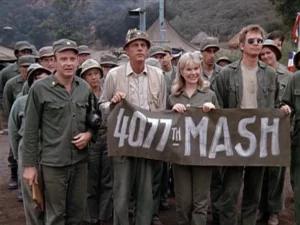
This portrayal taught audiences that sacrificial situations rarely offer clean moral resolutions. Sometimes sacrifice means accepting personal moral compromise as necessary cost of trying to serve others’ wellbeing. The show suggested that moral growth involves developing capacity to accept this uncomfortable reality rather than demanding that sacrifice feel ethically pure.
Lesson Three: Sacrifice Requires Community and Mutual Support
One of MAS*H’s most important lessons involved recognizing that sustained sacrifice demands community. The characters survived their experiences not through individual heroism but through mutual support, shared burden-bearing, and collective willingness to sustain each other through trauma. The show suggested that individuals attempting sacrifice entirely alone ultimately collapse under accumulated burden.
This lesson distinguished MAS*H from typical heroic narratives celebrating solitary sacrifice. Instead, the show portrayed sacrifice as inherently communal, requiring that individuals trust others to share emotional and practical burden. The strongest characters demonstrated not independence but interdependence, willingness to ask for help, and commitment to supporting colleagues through difficulty.

Contemporary audiences working in demanding fields increasingly recognize this lesson’s validity. Sustainable sacrifice requires functional teams where individuals support each other, acknowledge struggle, and refuse to demand that anyone bear burdens entirely alone. MAS*H’s portrayal of characters sustaining each other through impossible circumstances provided a model for authentic community during crisis.
Lesson Four: Sacrifice Exacts Permanent Psychological Cost That Doesn’t Dissolve Upon Departure
Perhaps MAS*H’s most honest lesson involved acknowledging that sacrifice leaves permanent marks. The show didn’t suggest that individuals recover from significant sacrifice through simple time passage or therapeutic intervention. Instead, it portrayed sacrifice as creating lasting psychological changes, often painful, that individuals carry indefinitely.
Characters who witnessed sustained suffering and sacrificed their own psychological wellbeing to serve others returned home fundamentally altered. The show suggested that such alteration represents tragic cost of sacrifice, not something to romanticize or celebrate. This portrayal contradicted typical military narratives suggesting that service and sacrifice ultimately feel noble and justified. Instead, MAS*H suggested that genuine sacrifice sometimes creates permanent damage that gratitude and recognition cannot heal.
This lesson resonated powerfully with audiences who recognized that genuine sacrifice demands accepting permanent psychological alteration as necessary cost. Rather than suggesting that such alteration feels acceptable, the show portrayed it as genuinely tragic while simultaneously suggesting that individuals might choose to sacrifice despite recognizing permanent cost. This sophistication elevated MAS*H’s treatment of sacrifice beyond sentimentality.

Lesson Five: Sacrifice Ultimately Teaches That Human Connection Remains Worth the Cost
Despite portraying sacrifice’s genuine costs, MAS*H suggested that human connection—forged through shared suffering and mutual support—provides something that makes sacrifice meaningful. The show didn’t suggest that sacrifice feels painless or that its costs disappear, but rather that relationships created through sacrifice contain irreplaceable value.
This final lesson proved paradoxical and profoundly human: sacrifice costs more than most people wish to pay, yet the human connections sacrifice enables and deepens feel worth that cost. Characters who sacrificed their physical health, psychological wellbeing, and emotional stability nonetheless found their experiences meaningful through relationships formed with others navigating similar circumstances.
The show suggested that humans possess remarkable capacity to find meaning in difficulty, connection in trauma, and purpose in suffering. This isn’t romanticization of pain but rather recognition that human meaning-making can transform suffering into something containing genuine value. The relationships characters formed through sacrifice became more authentic and meaningful than relationships formed in comfortable circumstances.

Why These Lessons Matter
MAS*H’s lessons about sacrifice remain relevant because they refuse simple moral clarity while acknowledging sacrifice’s genuine importance. The show taught audiences that sacrifice sometimes represents necessary human response to others’ suffering, that sustained sacrifice requires community, and that sacrifice exacts permanent costs that grateful societies cannot simply erase.
These lessons feel perpetually relevant because sacrifice remains embedded in human experience. Healthcare workers, social service professionals, educators, military personnel, and countless others continue sacrificing personal wellbeing for others’ benefit. MAS*H’s portrayal of sacrifice provided validation and wisdom for these individuals’ experiences while acknowledging both sacrifice’s genuine importance and its authentic costs. By presenting sacrifice with this balanced perspective, the show created something rare: entertainment that genuinely teaches viewers about authentic human values and meaningful living.