Television history contains numerous series celebrated during their original broadcast periods that subsequently fade into cultural irrelevance. Nostalgia alone cannot sustain a show’s reputation across multiple generations. Yet MAS*H defies this pattern, commanding devoted audiences nearly fifty years after its finale aired. This enduring appeal stems not from historical accident or sentimental attachment but from fundamental qualities that transcend the specific era of its production.
Modern viewers encountering MASH for the first time often express genuine surprise at the show’s sophistication and emotional depth. They anticipate dated sitcom conventions but instead discover television that grapples with authentic human experiences in ways many contemporary programs rarely attempt. Understanding why MASH maintains this remarkable resonance reveals essential truths about quality storytelling and human connection.
Reason One: Authentic Portrayal of Warfare’s Psychological Reality
MASH’s most revolutionary achievement involved presenting warfare not as heroic adventure but as traumatic experience. While other war-themed entertainment portrayed conflict through the lens of military triumph or patriotic valor, MASH focused on the psychological devastation affecting those tasked with treating wounded soldiers. This perspective remains remarkably relevant because contemporary audiences continue experiencing the consequences of prolonged military conflict.
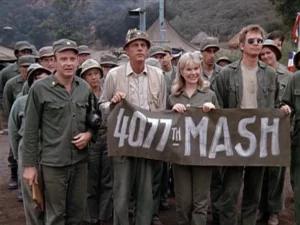
The show’s unflinching examination of trauma, PTSD, and moral compromise resonates powerfully with modern audiences increasingly skeptical of simplistic military narratives. MAS*H suggests that warfare extracts costs that extend far beyond immediate casualties, affecting the psychological and emotional wellbeing of even those tasked with healing others. This perspective feels contemporary precisely because audiences now recognize the validity of examining warfare’s non-combat casualties.
Reason Two: Complex Character Development Across Entire Ensemble
Unlike programs that rely on single protagonists, MAS*H distributed narrative focus across an entire ensemble cast, allowing multiple characters substantial development. This approach created something exceptional for 1970s television: a program where audiences could connect with numerous different characters rather than defaulting to single identification points.
Modern viewers appreciate this ensemble approach far more than contemporary audiences initially did. Contemporary television has increasingly embraced ensemble narratives, making MAS*H’s approach feel prescient rather than unusual. The show’s willingness to grant supporting characters genuine arcs, meaningful conflicts, and authentic growth established a model that contemporary programs continue emulating.
Reason Three: The Balance Between Humor and Profound Emotional Depth
MASH’s fundamental genius involved recognizing that humor and tragedy need not exist in opposition. The show understood that laughter and tears represent related emotional responses to unbearable circumstances. Rather than separating comedic and dramatic moments into distinct episodes, MASH often wove them together within single scenes, creating an emotional complexity that mirrors actual human experience.
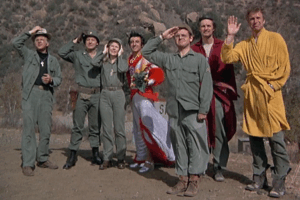
Modern audiences accustomed to sophisticated tonal blending find MAS*H’s emotional approach refreshingly honest. The show refuses the false choice between entertainment and meaning, suggesting that genuine art acknowledges life’s simultaneous presence of comedy and tragedy. This integrated emotional approach feels increasingly relevant as contemporary audiences grow weary of entertainment that demands emotional compartmentalization.
Reason Four: Commentary on Institutional Absurdity and Bureaucratic Dysfunction
MASH consistently portrayed military bureaucracy as fundamentally absurd, highlighting how institutional rigidity often impedes rather than facilitates stated objectives. The show’s critique of institutional dysfunction resonates powerfully with contemporary audiences frustrated by bureaucratic inefficiency across multiple sectors. Whether military, governmental, or corporate, MASH’s examination of how institutions prioritize rules over results feels perpetually relevant.
The show’s portrayal suggests that intelligent, well-intentioned individuals working within dysfunctional systems must sometimes subvert official protocols to accomplish legitimate objectives. This perspective reflects contemporary understanding that institutional reform often requires creative rule-bending rather than blind compliance. MAS*H’s characters demonstrate that maintaining individual integrity sometimes necessitates strategically circumventing official channels.
Reason Five: Exploration of Friendship and Chosen Family
At its emotional core, MAS*H explores how individuals create chosen families and intimate friendships within circumstances that would typically prevent such connection. The show’s characters develop profound bonds not despite their shared trauma but through mutual navigation of impossible circumstances. These friendships feel authentic because they emerge from genuine interdependence rather than manufactured sentimentality.

Contemporary audiences increasingly relate to the concept of chosen family and non-traditional support networks. MAS*H’s portrayal of how individuals create meaningful connection across traditional boundaries resonates with modern audiences constructing their own chosen families. The show suggests that genuine intimacy develops through shared experience and mutual vulnerability rather than biological relationship or formal hierarchy.
Reason Six: Moral Complexity Without Easy Resolutions
MAS*H consistently resists providing comfortable moral clarity. Characters face impossible choices where every option carries devastating consequences, and the show refuses to suggest that any choice is obviously correct. This moral ambiguity reflects actual human experience far more authentically than entertainment offering clear ethical guidance.
Modern audiences skeptical of simplistic moral certainty find MASH’s refusal to provide easy answers refreshingly honest. The show acknowledges that genuine moral crises rarely contain obvious solutions and that thoughtful individuals can reasonably disagree about proper courses of action. This moral sophistication distinguishes MASH from entertainment demanding clear villains and obvious heroes.
Reason Seven: Representation of Medical Professionals’ Emotional Labor
MAS*H’s portrayal of surgeons navigating impossible medical situations, performing procedures with inadequate resources, and bearing responsibility for life-and-death decisions feels increasingly relevant as contemporary society recognizes healthcare workers’ emotional and psychological burden. The show’s depiction of how medical professionals process trauma and maintain functionality under extreme stress anticipates contemporary discussions about healthcare worker burnout and PTSD.

Modern audiences working in healthcare or understanding healthcare’s demands recognize the authenticity of MAS*H’s portrayal. The show validates the emotional cost of medical practice while celebrating the dedication of individuals willing to sustain that cost for others’ wellbeing.
Reason Eight: Timeless Exploration of How Humans Create Meaning
Beyond any specific plot or character arc, MAS*H explores fundamental questions about how humans create meaning within meaningless circumstances. The show portrays individuals developing coping mechanisms, maintaining humor, and forming connections not because circumstances improve but because humans possess remarkable capacity for resilience and connection.
This exploration of meaning-making in the face of absurdity transcends specific historical context. Contemporary audiences facing their own versions of meaningless struggle find validation in MAS*H’s portrayal of humans creating significance through relationship, work, and creative resistance to despair.
The Enduring Legacy
MASH’s continued relevance emerges not from nostalgia but from fundamental human truths explored with sophistication and authentic emotion. The show’s willingness to balance comedy with tragedy, individual connection with institutional critique, and emotional honesty with entertainment value creates something that genuinely speaks across generations. As long as humans experience trauma, form meaningful connections, and seek to create meaning within difficulty, MASH’s essential message remains powerfully relevant.