MASH remains one of television’s most beloved and culturally significant series, captivating audiences throughout its eleven-season run from 1972 to 1983. The show’s final episode, “Goodbye, Farewell and Amen,” drew a massive viewership and remains one of the highest-rated television episodes of all time. Yet despite the show’s enduring popularity and extensive documentation, numerous intriguing questions persist about its production, its characters, and its lasting impact on television storytelling. Understanding these questions provides deeper insight into why MASH achieved such remarkable cultural resonance and continues captivating new generations of viewers.
Question 1: Why Did the Show Evolve From Comedy to Drama So Dramatically?
MASH’s evolution from a straightforward military comedy into a complex dramedy exploring profound themes remains one of television’s most significant transformations. Early seasons emphasized humor and pranks, with episodes often concluding with the characters laughing together. However, as the series progressed, writers increasingly balanced comedy with devastating dramatic moments, ultimately creating episodes focused almost entirely on emotional depth and social commentary.
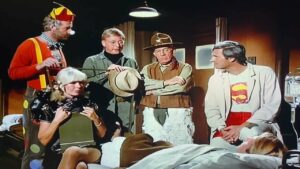
This transformation wasn’t accidental but rather a deliberate creative choice reflecting both the cast’s growing confidence and evolving cultural consciousness. Alan Alda, who became increasingly involved in writing and producing the show, advocated for deeper storytelling that acknowledged war’s genuine human toll. The producers recognized that audiences desired entertainment that also challenged them emotionally and intellectually.
The turning point often coincides with episodes addressing specific social issues—racism, PTSD, the arbitrary nature of war casualties, and the psychological toll of medical trauma. These episodes demonstrated that comedy and drama weren’t mutually exclusive but rather complementary elements that intensified each other. Humor provided relief from darkness, while genuine tragedy made subsequent comedy feel more authentic and meaningful. This sophisticated balance became MASH’s signature achievement and influenced countless television programs that followed.
Question 2: How Did the Show Navigate Antiwar Commentary During a Complex Political Era?
MASH aired primarily during the Vietnam War, yet it depicted the Korean War. This creative distance allowed writers to explore antiwar themes without directly addressing contemporary politics, yet the connection was unmistakable to contemporary audiences. The show’s nuanced commentary on war’s senselessness resonated powerfully during a period when American society remained deeply divided about military involvement.
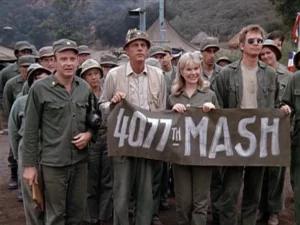
The brilliance lay in how MASH critiqued war through humanizing individual soldiers rather than making political arguments. Audiences witnessed doctors and nurses struggling with impossible moral decisions, treating enemies alongside allies, and confronting the arbitrary nature of survival. These personal narratives proved more persuasive than any political manifesto could be, allowing viewers across the political spectrum to find meaning in the show’s exploration of war’s human costs.
Writers carefully avoided preaching or creating characters who represented specific political positions. Instead, they presented realistic medical and ethical dilemmas that forced viewers to confront uncomfortable truths about warfare. This approach earned MASH respect from viewers who disagreed about Vietnam, proving that thoughtful entertainment could address controversial topics without alienating audiences.
Question 3: What Was the Significance of the Show’s Finale and Why Did It Impact Audiences So Profoundly?
The final episode “Goodbye, Farewell and Amen” remains one of television’s most discussed conclusions. Rather than offering traditional closure or suggesting that everything would be fine, the episode depicted characters experiencing genuine trauma and emotional devastation. The famous bus scene, where Hawkeye witnesses a horrifying tragedy, crystallized the show’s ultimate message about war’s random cruelty.

The finale’s power stemmed from refusing to provide comfort. Characters didn’t reunite happily; they simply departed, each carrying psychological wounds that would never fully heal. This realistic portrayal of trauma’s lasting effects represented revolutionary television storytelling during an era when sitcoms typically concluded with resolution and happiness.
The episode’s massive viewership and cultural impact reflected audiences’ hunger for authentic emotional storytelling. People invested eleven years in these characters and genuinely grieved their departure. The finale validated that investment by taking characters’ emotional journeys seriously, refusing to diminish their suffering through false resolution.
Question 4: How Did the Cast’s Relationships Influence the Show’s Quality and Authenticity?
The ensemble cast’s genuine camaraderie directly contributed to MASH’s emotional authenticity. Unlike shows where cast members maintained strictly professional relationships, MASH’s actors developed genuine friendships that translated into their performances. This real affection between actors created visible chemistry that audiences could instinctively recognize as authentic rather than performed.
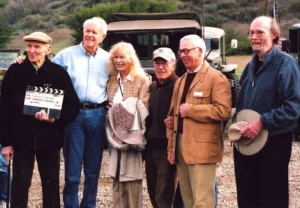
Alan Alda and Mike Farrell’s actual friendship informed Hawkeye and B.J.’s partnership. Loretta Swit’s genuine respect for her male colleagues influenced Margaret’s character development. Even supporting cast members’ authentic connections strengthened ensemble scenes. When actors genuinely liked each other, their scenes together carried unmistakable warmth and understanding.
This question becomes particularly significant when comparing MASH to other ensemble shows. The cast’s chemistry wasn’t manufactured through clever writing alone but emerged from real relationships. Directors and writers capitalized on these authentic connections, creating scenes that felt lived-in rather than performed. This represented a crucial element in MASH’s superior quality compared to similar military comedies that lacked comparable ensemble cohesion.
Question 5: Why Did Certain Characters Resonate More Powerfully Than Others Despite Similar Screen Time?
Character development in MASH wasn’t evenly distributed. Some characters—Hawkeye, Margaret, B.J., Winchester—received extensive development that allowed audiences to understand their psychological complexity. Other characters remained more static, providing comedic relief or supporting functions. Understanding why certain characters achieved iconic status while others faded into obscurity reveals important truths about character writing and audience connection.

Characters who evolved significantly, revealed vulnerability, and displayed internal conflict resonated most deeply. Hawkeye’s increasing emotional fragility, Margaret’s journey from rigid professionalism to genuine humanity, and Winchester’s unexpected depths all earned audience investment. Conversely, characters who remained static—Frank Burns, for instance—never achieved comparable emotional resonance despite appearing in numerous episodes.
This question highlights that screen time alone doesn’t determine character significance. Rather, depth, vulnerability, and character arc create meaningful connection. MASH demonstrated that audiences don’t merely want likable characters; they want complex individuals they can understand, relate to, and ultimately care about. This principle revolutionized television writing, influencing how subsequent shows developed supporting characters.
Question 6: How Did MASH Influence Television’s Approach to Blending Comedy and Drama?
MASH’s success fundamentally changed how television approached tone and genre. Before MASH, most dramatic series maintained consistent tones, while comedies rarely incorporated genuine emotional depth. MASH proved that audiences desired entertainment that respected their intelligence by blending entertainment with meaningful content.

The show’s influence appears throughout subsequent television history. Programs like St. Elsewhere, ER, and later ensemble dramas adopted MASH’s model of balancing humor with serious storytelling. Contemporary television’s increasing sophistication regarding tone, character development, and thematic complexity traces directly to MASH’s pioneering approach.
Understanding this influence requires recognizing MASH’s revolutionary status. The show didn’t simply entertain; it demonstrated that television could be simultaneously funny, tragic, intellectually engaging, and emotionally devastating. This realization opened possibilities for television storytelling that continue influencing programs today. MASH proved that audiences possessed greater sophistication than industry assumptions suggested, fundamentally elevating television’s artistic potential.
The Lasting Mystery
These six questions reveal that MASH’s significance extends far beyond entertainment. The show represents a pivotal moment when television matured artistically, proving that the medium could achieve profound storytelling while remaining accessible to mass audiences. Exploring these questions deepens appreciation for MASH’s achievement and illuminates why the series continues captivating viewers across generations, remaining relevant through its humanistic exploration of courage, connection, and survival amid impossible circumstances.