Certain television programs transcend their era to become true classics—shows that define excellence and establish standards against which all subsequent television is measured. MASH occupies this rarified position more completely than perhaps any other series in television history. More than forty years after its finale, the show continues attracting new audiences while maintaining fierce loyalty from longtime viewers. This enduring status isn’t accident or nostalgia—it results from four fundamental qualities that transformed MASH from a military comedy into a cultural institution. Understanding why MASH achieved classic status reveals crucial insights about what separates genuinely great television from forgettable entertainment.
Reason #1: Perfect Synthesis of Entertainment and Substance
MASH revolutionized television by proving that entertainment and meaningful content weren’t mutually exclusive—they were complementary. The show never required audiences to choose between laughing and thinking, between enjoying surface-level comedy and appreciating deeper messages. This sophisticated approach distinguished MASH from typical television programming, which often treated comedy and drama as opposing forces.
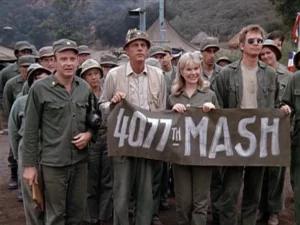
The show’s writers understood something fundamental about human experience: people don’t compartmentalize emotions. We laugh at funerals. We find humor in tragic situations. We appreciate serious moments within comedic contexts. MASH reflected this authentic emotional complexity rather than forcing artificial tonal consistency. An episode could open with hilarious pranks in the Swamp, transition to genuinely disturbing surgical scenes, and conclude with tender moments of character vulnerability—all without feeling jarring or tonally inconsistent.
What elevated MASH beyond typical television was its refusal to simplify either element. The comedy wasn’t dumbed down for mass appeal, featuring genuine wit and character-driven humor rather than forced punchlines. The dramatic moments weren’t melodramatic or manipulative—they emerged organically from circumstances and character development. This balance created space for intelligent viewers to engage completely while remaining accessible to casual audiences.
This synthesis of entertainment and substance influenced television storytelling fundamentally. Shows like The West Wing, Breaking Bad, and Succession drew inspiration from MASH’s demonstrated ability to blend genres and emotional tones without sacrificing either element. MASH proved that prestige and popularity weren’t mutually exclusive—great television could be both critically acclaimed and beloved by millions.
Reason #2: Authentic Character Development That Respects Audience Intelligence
MASH featured characters who evolved naturally through accumulated experiences rather than undergoing convenient transformations for plot purposes. This commitment to genuine character development meant characters sometimes disappointed viewers, made questionable choices, or progressed slowly. The show trusted audiences to appreciate realistic character arcs even when they were frustratingly gradual.
Margaret Houlihan’s transformation from stereotypical “tough nurse” to complex woman with genuine vulnerability occurred across seasons, not episodes. Viewers witnessed her gradually allowing colleagues to see beyond her professional facade. Her development felt earned because it required watching her repeatedly take emotional risks, experience vulnerability, and slowly trust her colleagues more completely. She didn’t suddenly become a different person—she revealed hidden dimensions viewers gradually discovered.
Similarly, Hawkeye’s increasing emotional fragility as the series progressed felt authentic because his humor-as-coping-mechanism gradually became less effective. Audiences watched this skilled deflection technique gradually crumble under accumulated trauma’s weight. His breaking points arrived inevitably because viewers had witnessed the accumulating psychological burden making emotional collapse mathematically probable.
This character respect extended to supporting roles. Minor characters received genuine dimensions rather than remaining stereotypes. Nurses had backstories. Orderlies had personalities. Even one-episode characters often contained surprising depth. The show’s creators believed audiences would appreciate complexity in any character, not just protagonists.
Modern television often underestimates audience intelligence, assuming viewers need immediate gratification and obvious character arcs. MASH demonstrated that patience with character development created deeper investment. Audiences cared more about characters they gradually understood than characters whose entire personality appeared immediately. This approach influenced prestige television’s subsequent evolution toward character-driven narratives.
Reason #3: Fearless Engagement with Serious Themes
MASH addressed profound themes—war’s psychological toll, medical ethics, military bureaucracy’s absurdity, death’s inevitability, separation’s pain—without heavy-handedness or didacticism. The show never lectured audiences about its beliefs. Instead, it presented situations allowing viewers to draw their own conclusions.
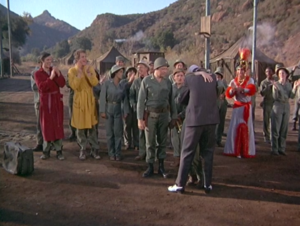
Episodes addressing PTSD decades before the condition received widespread recognition depicted soldiers struggling with unprocessed trauma without naming it clinically. The show showed consequences of combat exposure through character behavior rather than explicit explanation. Audiences understood characters’ psychological struggles intuitively because the show trusted viewers to recognize pain without explicit narration.
Similarly, MASH’s anti-war message emerged naturally from circumstances rather than propagandistic speeches. Watching dedicated surgeons save lives knowing those individuals would likely return to combat and possibly die created powerful commentary without explicit statement. The contradiction between medicine’s saving purpose and war’s killing purpose generated tension that viewers felt viscerally.
The show’s willingness to engage controversial themes during politically charged eras—particularly during Vietnam—required courage. Medical personnel and military staff viewing the show recognized MASH’s accurate depiction of their experiences. Rather than creating resentment, this authenticity generated respect. The show wasn’t attacking military personnel—it was showing their genuine humanity and the impossible situations they navigated.
This thematic fearlessness established MASH as culturally significant rather than merely entertaining. Great television addresses meaningful themes authentically, trusting audiences to process complexity. MASH demonstrated this principle masterfully, creating show that simultaneously entertained and educated, amused and challenged.
Reason #4: Innovation That Redefined Television Possibilities
MASH didn’t simply perfect existing television formulas—it fundamentally expanded what television could accomplish. The show introduced structural innovations, narrative techniques, and production approaches that influenced television evolution. Multi-camera setup combined with cinematic storytelling created visual language that balanced intimate character moments with larger-scale medical sequences.

The show’s willingness to occasionally break conventional narrative structure demonstrated television’s flexibility. Certain episodes featured unusual narrative approaches—non-linear storytelling, experimental formats, unconventional perspectives—that worked because they served story and character rather than existing as gimmicks. MASH proved that television could take creative risks successfully.
Additionally, MASH demonstrated that ensemble casts could carry series equally without clear hierarchical protagonists. While Hawkeye and B.J. received screen time prominence, the show distributed substantial story significance across the entire cast. Viewers felt invested in Colonel Potter’s stories, Margaret’s development, Father Mulcahy’s moral struggles, and supporting characters’ arcs with equal intensity.
The show’s longevity—eleven seasons without obvious narrative decline—required exceptional storytelling discipline. Writers maintained quality and freshness despite producing over 250 episodes. This achievement demonstrated that television could sustain excellence across extended runs without becoming repetitive or declining into self-parody.
The Convergence of Excellence
MASH achieved classic status through convergence of excellence across every production element. Strong writing met talented performance. Sophisticated directing complemented meaningful content. Technical innovation served story rather than existing as distraction. The show never prioritized any single element at the expense of others—instead, all components worked synergistically.
This holistic excellence created show that genuinely aged well. Surface elements might feel dated, but core human stories remained eternally relevant. The show’s fundamental insights about human nature, connection, trauma, and resilience transcended historical specificity. MASH spoke truthfully about being human, which guaranteed continued relevance across decades.
Why This Matters Today
In contemporary television landscape filled with countless options and shortened attention spans, MASH’s achievement feels more remarkable. The show demanded engagement—it rewarded careful viewing with deeper appreciation. Modern streaming culture might seem incompatible with this approach, yet MASH gains new devoted viewers constantly, demonstrating that quality storytelling remains perpetually valuable.
Understanding why MASH achieved classic status provides blueprint for excellence in any creative medium. Respect audience intelligence. Develop characters authentically. Engage themes meaningfully. Innovate in service of story. Synthesize entertainment and substance. These principles guided MASH’s creation and remain valid guides for contemporary creators.
MASH endures because it was created with integrity, ambition, and genuine respect for viewers. It expanded television’s possibilities while perfecting established approaches. Four decades later, it remains the standard against which great television is measured—a true classic that justifies its legendary status completely.