When Margaret “Hot Lips” Houlihan first appeared on MASH, audiences and critics alike dismissed her as a one-dimensional antagonist—the rigid, by-the-book officer who seemed designed primarily to clash with the surgeons’ irreverent humor and casual approach to military protocol. Few could have predicted that this character, introduced as a stereotypical foil, would evolve into one of television’s most compelling examinations of female identity, professional competence, and personal transformation. Margaret’s journey throughout eleven seasons became a masterclass in character development, challenging viewer biases while simultaneously offering profound insights into the experiences of women navigating male-dominated professional environments. Her evolution proved so significant that it fundamentally altered how subsequent television dramas approached female character development and demonstrated that redemption and complexity could emerge from seemingly shallow initial characterization. Understanding the eight reasons Margaret became special reveals why her character arc remains one of television’s greatest achievements.

1. Subverting Initial Stereotypes Through Gradual Complexity
Margaret’s introduction appeared to fit neatly into television’s established female stereotypes—the uptight, humorless woman whose primary function involved providing comic relief through her disapproval of the male characters’ antics. However, the show gradually revealed that Margaret’s apparent rigidity masked far greater complexity. Rather than abandoning the character type, the writers deepened it, suggesting that Margaret’s adherence to military protocol stemmed not from lack of personality but from her strategic understanding that, as a woman in a male-dominated military hierarchy, maintaining professional standards represented her only viable path to respect and advancement.
This subversion proved revolutionary because it suggested that female characters dismissed as one-dimensional might actually possess hidden depths that reflected rational responses to institutional sexism. Margaret’s apparent coldness gradually revealed itself as protective armor—a professional persona she maintained to survive in an environment fundamentally structured against women’s advancement and acceptance. The show communicated that understanding female characters required examining the institutional contexts that shaped their behavior rather than simply accepting surface-level judgments about their personalities.
2. Demonstrating the Costs of Professional Achievement for Women
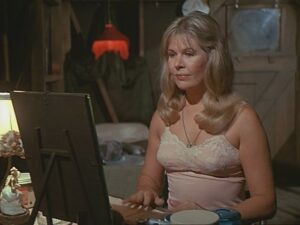
Throughout the series, Margaret struggled with the isolation and loneliness that accompanied her professional success. While her male colleagues formed intimate friendships based on shared experiences and casual camaraderie, Margaret remained perpetually outside these social circles—respected for her surgical competence but excluded from the informal social structures where genuine connection developed. The show depicted how Margaret’s professional achievements came at the significant cost of personal connection and belonging.
This portrayal proved transformative because it illustrated a reality rarely explored in television entertainment—that women’s success in male-dominated fields often involved profound emotional sacrifice. Margaret’s loneliness wasn’t presented as weakness or personal failing but rather as an inevitable consequence of institutional structures that welcomed women’s labor while rejecting their full social integration. The series suggested that until workplaces addressed systemic gender dynamics, successful women would inevitably experience alienation alongside professional achievement.

3. Revealing Vulnerability Beneath Professional Armor
As the series progressed, viewers discovered that Margaret’s stern exterior concealed profound vulnerability and desperate longing for genuine connection. Her relationships with male colleagues, particularly her romantic entanglements with both Henry Blake and Sherman Potter, revealed someone capable of intense emotion and genuine passion despite her professional demeanor. These vulnerabilities emerged not through abandoning her professional standards but through the gradual recognition that authentic human connection required emotional openness.
Margaret’s vulnerability proved revolutionary in television portrayals because it suggested that strength and emotional depth weren’t mutually exclusive qualities. She demonstrated that someone could maintain professional competence and integrity while simultaneously experiencing loneliness, romantic disappointment, and desperate need for acceptance. This complexity challenged the false dichotomy that portrayed women as either coldly professional or emotionally unstable—Margaret embodied both emotional depth and professional excellence simultaneously

4. Challenging Sexist Treatment While Maintaining Dignity
Throughout the series, Margaret confronted constant sexism from her male colleagues—from the degrading nickname “Hot Lips” to being excluded from social activities, having her professional abilities questioned, and enduring unwanted romantic advances. Rather than either passively accepting this treatment or responding with hysteria, Margaret challenged sexism with remarkable dignity and strategic intelligence. She called out inappropriate behavior, defended her professional competence, and gradually earned genuine respect from colleagues who initially dismissed her.
This portrayal became significant because it modeled sophisticated responses to institutional sexism that rejected both passivity and aggression in favor of articulate resistance combined with demonstrated competence. Margaret proved that women could challenge workplace discrimination while simultaneously performing their professional duties with excellence. Her approach communicated that fighting sexism didn’t require victimhood narratives but rather could emerge through consistent assertion of rights combined with undeniable professional capability.

5. Experiencing Genuine Transformation Without Sacrificing Integrity
Margaret’s character arc involved significant personal transformation—she became warmer, more emotionally available, and more integrated into the unit’s social structure. However, this transformation never involved compromising her professional standards or adopting a more traditionally “feminine” persona to gain acceptance. She remained fundamentally herself while becoming more openly emotional and vulnerable. This transformation proved rare in television portrayals because it suggested that women could change and grow without surrendering their core identity or professional principles.
The show communicated that character development didn’t require fundamental alteration of personality but rather the gradual development of greater emotional authenticity and willingness to risk vulnerability. Margaret’s evolution demonstrated that genuine transformation involved becoming more fully oneself rather than becoming someone different to achieve acceptance.

6. Building Genuine Female Friendships Amid Male Dominance
As the series progressed, Margaret developed meaningful friendships with the unit’s female personnel, creating female social circles that provided her with genuine belonging and support. These friendships demonstrated that female solidarity could emerge even within male-dominated environments and that women could find authentic connection with other women despite institutional pressures to compete against one another. Margaret’s relationships with nurses and other female military personnel revealed community and sisterhood that transcended the hierarchical structures attempting to keep women isolated.
This portrayal proved significant because it suggested that women’s survival in male-dominated fields could involve building supportive female networks that provided emotional sustenance and practical assistance. The show communicated that gender solidarity wasn’t weakness but rather a crucial survival strategy enabling women to maintain psychological health while navigating professional environments structured against their interests.

7. Demonstrating Surgical Excellence Transcending Gender Assumptions
Throughout the series, Margaret established herself as an exceptionally skilled surgeon whose competence matched or exceeded that of her male colleagues. Her surgical abilities never became a plot point or source of dramatic tension—they simply existed as established fact. This matter-of-fact presentation of female medical excellence proved revolutionary because it refused to make Margaret’s competence exceptional or surprising. The show communicated that women possessed inherent capacity for medical excellence equal to men’s, requiring no special narrative justification.
This portrayal influenced cultural understanding of women in professional fields by suggesting that female competence wasn’t unusual or noteworthy—it was simply professional reality. Margaret’s surgical abilities established that gender had no bearing on medical skill, offering viewers exposure to female professional excellence presented as completely ordinary.

8. Allowing Complexity Without Requiring Perfection
Perhaps Margaret’s most significant contribution involved her flaws and limitations. She made mistakes, experienced jealousy, occasionally acted selfishly, and struggled with personal insecurities. The show refused to present her transformation as achieving perfect enlightenment or complete elimination of problematic behaviors. Instead, Margaret remained a complicated, occasionally frustrating human being navigating institutional sexism, professional demands, and personal desires with imperfect results.
This refusal to demand perfection from female characters proved profoundly liberating because it suggested that women could be worthy of respect and affection despite their flaws. Margaret demonstrated that female characters deserved complexity, contradiction, and the permission to be simultaneously admirable and frustrating. She established that women needn’t achieve perfection to deserve genuine appreciation and that audiences could value characters even when occasionally disagreeing with their choices.
The Enduring Significance of Margaret’s Character Arc
Margaret Houlihan’s transformation from stereotypical antagonist to fully realized human being established new standards for female character development in television drama. Her arc demonstrated that initial character types needn’t limit character depth and that seemingly one-dimensional female characters might conceal remarkable complexity waiting for writer commitment to explore them. Margaret’s journey influenced subsequent television productions to invest greater creative energy in developing female characters with genuine complexity and emotional authenticity.