Throughout television history, few programs have wielded as much cultural influence as MASH. The series didn’t merely entertain audiences—it fundamentally transformed how society viewed warfare, military personnel, and the psychological complexities of armed conflict. By presenting war not as heroic adventure but as a backdrop for human suffering and moral ambiguity, MASH challenged generations of Americans to reconsider deeply ingrained assumptions about military service and combat. The show’s impact extended far beyond entertainment, influencing public discourse, shaping political attitudes, and establishing new standards for how television could meaningfully engage with serious social issues. Understanding these five transformative ways reveals why MASH endures as one of television’s most significant achievements and why its influence continues resonating decades after the series concluded.
1. Reframing War as Tragedy Rather Than Heroism
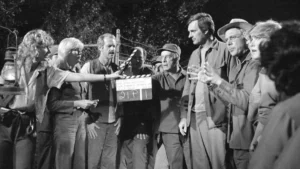
Before MASH arrived on television screens in 1972, American audiences had been conditioned by decades of war propaganda and entertainment that portrayed military combat as a noble, heroic endeavor. War films and television programs typically centered on strategic victories, courageous soldiers triumphing over enemies, and the moral clarity of righteous combat. MASH deliberately rejected this narrative framework, instead presenting warfare as fundamentally tragic—a situation where brave, intelligent people found themselves trapped in circumstances where their skills and courage could never adequately address the underlying moral problems inherent to armed conflict.
The show’s genius lay in how it centered surgical units rather than combat operations. By focusing on medical personnel desperately trying to save lives rather than soldiers winning battles, MASH communicated that warfare’s primary reality involved suffering, trauma, and the constant confrontation with human mortality. The series demonstrated that soldiers weren’t conquering heroes but rather individuals attempting to survive impossible circumstances while maintaining their humanity. This reframing proved profoundly influential, helping shift public understanding of what military service actually involved and challenging the romantic notions of warfare that had dominated popular culture for generations.
2. Depicting the Psychological Toll of Warfare on Individual Minds
Prior to MASH, television dramas rarely explored the psychological impact of military experience on individual soldiers and personnel. Combat personnel were typically portrayed as either heroic warriors unaffected by violence or villainous adversaries deserving destruction. MASH revolutionized this representation by demonstrating that exposure to warfare inevitably damaged the human psyche in complex, lasting ways that couldn’t be resolved through simple narrative resolution.
The series consistently showed its characters struggling with psychological symptoms that contemporary audiences would recognize as post-traumatic stress disorder, depression, anxiety, and moral injury. Hawkeye’s reliance on humor to mask psychological pain, B.J.’s periods of emotional breakdown, Margaret’s struggles with isolation and vulnerability—these representations communicated that psychological damage from warfare wasn’t weakness or failure but rather a natural human response to sustained trauma. The show demonstrated that even individuals with strong constitutions, professional training, and social support networks found themselves psychologically altered by exposure to mass suffering and death.
This portrayal proved transformative because it legitimized discussions about mental health in military contexts at a time when such conversations remained largely taboo. MASH helped establish that psychological injuries were as significant as physical wounds and that treatment and acknowledgment of these injuries represented strength rather than weakness.
3. Challenging Military Hierarchy and Authority
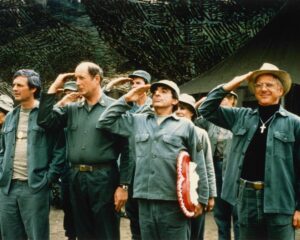
Traditional military entertainment portrayed the chain of command as fundamentally legitimate, with authority figures earning respect through competence and leadership. MASH fundamentally challenged this narrative by depicting military hierarchy as often arbitrary, inefficient, and frequently indifferent to human welfare. The show presented bureaucratic protocol as sometimes creating suffering rather than preventing it, suggesting that rigid adherence to rules could generate moral problems rather than solving them.
Characters like Hawkeye and B.J. consistently questioned orders, expressed skepticism about military justifications for warfare, and prioritized their personal moral convictions over institutional authority. Rather than portraying these acts of questioning as insubordination deserving punishment, the show suggested that critical thinking about authority represented moral integrity. This perspective proved revolutionary for entertainment media, which had traditionally reinforced respect for hierarchical authority structures.
MASH demonstrated that legitimate authority required more than institutional position—it demanded moral legitimacy and genuine concern for those under command. The show’s more sympathetic authority figures, like Colonel Potter, earned respect through demonstrating care for personnel, not through rigid enforcement of regulations. This portrayal influenced how subsequent dramas approached authority and helped establish that questioning power structures could represent morality rather than rebellion.
4. Humanizing Perceived Enemies
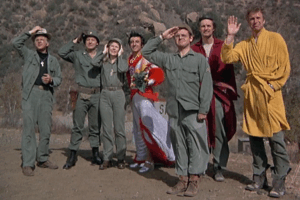
During the Cold War era when MASH premiered, American entertainment media frequently portrayed communist adversaries as either faceless threats or morally inferior enemies. MASH boldly challenged this dehumanizing framework by depicting North Korean and Chinese prisoners of war, enemy soldiers, and perceived adversaries as fundamentally human. The show presented enemy combatants as individuals with families, fears, hopes, and moral complexity—not as abstract threats to be eliminated.
This humanization proved profoundly significant because it suggested that warfare’s fundamental tragedy involved the killing and injuring of human beings regardless of which side of conflict they inhabited. MASH communicated that enemy combatants deserved compassion and medical care not because they shared national identity with the protagonists, but because basic human decency transcends military conflict. The show’s medical personnel treated enemy wounded with the same dedication and skill they extended to American soldiers, conveying that human life possessed inherent value independent of political allegiances.
This perspective influenced public understanding of warfare by challenging the emotional distance created through enemy dehumanization. MASH suggested that warfare’s true horror emerged partly through the necessity of regarding other human beings as threats worthy of death.
5. Establishing Medicine as a Moral Resistance to Warfare
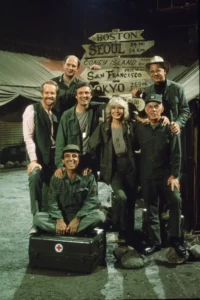
MASH presented medical personnel not merely as support units enabling military operations, but as individuals engaged in fundamental moral resistance to warfare’s dehumanizing effects. The surgeons and nurses of the 121st MASH Unit worked to heal and preserve life in a context designed to destroy it. This paradox communicated that even within warfare itself, individuals could maintain moral commitment to human welfare and healing.
The show suggested that medicine represented one of the few genuinely noble aspects of military operations—the commitment to preserve life regardless of circumstance. By centering medical professionals rather than combat soldiers, MASH established healthcare workers as moral exemplars engaged in meaningful resistance to warfare’s destructive purposes. Surgeons like Hawkeye and B.J. achieved heroic status not through military victory but through tireless efforts to save lives and maintain their humanity amid horror.
This perspective proved transformative because it established that moral integrity within military contexts could involve questioning warfare itself while simultaneously performing duties with excellence. MASH demonstrated that individuals could simultaneously serve institutional purposes while maintaining critical distance from those institutions’ fundamental moral legitimacy.
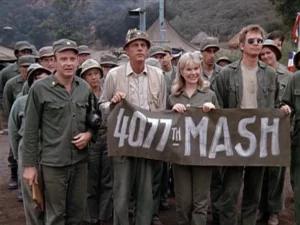
The Lasting Impact of MASH’s Revolutionary Approach
What distinguished MASH from previous war entertainment was its fundamental refusal to accept warfare as inherently justifiable. Rather than celebrating military service, the show questioned warfare’s moral foundations while simultaneously portraying individual military personnel with compassion and dignity. This nuanced approach proved far more influential than didactic anti-war messaging would have been, because it engaged audiences emotionally rather than intellectually lecturing them about warfare’s problems.
The series demonstrated that television could engage with complex social and political issues while remaining simultaneously entertaining, humanistic, and intellectually sophisticated. MASH established that popular entertainment could meaningfully influence public consciousness and help reshape cultural attitudes about significant social questions. The show’s legacy continues affecting how subsequent dramas approach military themes, how society discusses veterans’ psychological health, and how people understand the human dimensions of armed conflict.