The Devastating Firing That Led to Television History
Before Sally Struthers became America’s beloved Gloria Stivic on “All in the Family,” she experienced one of the lowest points of her career. Fresh off what she thought would be her big break on “The Tim Conway Comedy Hour,” the young actress received crushing news that would shake her confidence to its core.
“I was supposed to be part of all 13 weeks,” Struthers revealed in an emotional reflection on her early career. “But after just the fifth episode, the executives decided I was making the show look cheap and let me go.” The rejection cut deep. Tim Conway was someone she admired immensely, and suddenly, her future in Hollywood seemed uncertain. “I was completely distraught,” she admitted. “I had no idea what would happen next or if I’d ever get another chance.”
Little did she know that fate was about to intervene in the most unexpected way.
The Audition That Almost Didn’t Happen
In what can only be described as perfect timing, an opportunity emerged to audition for a new show being created by Norman Lear called “All in the Family.” The groundbreaking sitcom, which would eventually revolutionize television, was still searching for the right actress to play Gloria, Archie Bunker’s daughter.
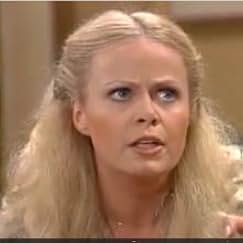
But here’s where the story gets interesting: on the day of her audition, Struthers was battling laryngitis. Most actresses would have postponed or cancelled, fearing they couldn’t perform at their best. Instead, Struthers pushed through, and that decision changed everything.
“Norman asked me to perform a yelling scene,” she recalled with a smile. “Despite having laryngitis that day, I think my raspy voice actually made a lasting impression.” Sometimes what seems like a disadvantage becomes your greatest asset. That hoarse, emotional quality in her voice that day helped her stand out from the competition. “I was fortunate to be among the final four candidates for the role.”
The Perfect Chemistry That Almost Never Was
What many fans don’t realize is that Sally Struthers and Rob Reiner weren’t the first actors to play the Bunker children. In fact, they were the third set of “kids” cast in the roles.
“Carroll O’Connor and Jean Stapleton had created two other pilots before Rob and I arrived,” Struthers explained. “I’ve never actually seen those earlier pilots, but I’ve heard they’re available on YouTube. People who have watched them say that Rob and I finally had the right chemistry with Jean and Carroll.”
That chemistry was undeniable from the start. “We got along beautifully,” she said warmly. “There was absolutely no competition among us. We revered one another. The casting was just perfect.” This genuine affection among the cast members translated seamlessly to the screen, creating the authentic family dynamic that made “All in the Family” so compelling to watch.
Finding a Father Figure Again
The relationship between Struthers and Carroll O’Connor extended far beyond the soundstage, and the story behind their bond is deeply moving. In 1968, just a few years before joining the cast, Struthers had lost her own father. The grief was still raw when she began working on “All in the Family.”
“I was still grappling with that loss when I joined the cast,” she revealed in a touching confession. “Carroll and his wife, Nancy, became parental figures to me in real life, just as he was to me on the show.”
The support O’Connor provided went far beyond professional mentorship. “He offered me advice, shared in my laughter, and was always quick to give me a hug,” Struthers remembered fondly. The actor, who played such a gruff and outspoken bigot on screen, was remarkably different in real life—warm, caring, and genuinely invested in Struthers’ well-being.
In perhaps the most significant gesture of all, O’Connor even played matchmaker. “He introduced me to my husband, William Rader!” Struthers exclaimed. “Through my experience on that show, I gained a father figure again.”
The Bittersweet Legacy
When “All in the Family” ended its run in 1979 after eight groundbreaking seasons, saying goodbye proved more difficult than anyone anticipated. “It was emotional, but not in a sad way,” Struthers reflected. “I had no idea how much I would miss it.”
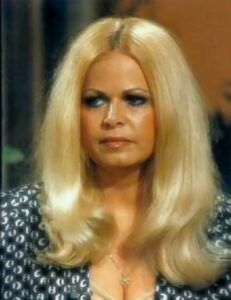
Even decades later, the show’s impact remains powerful. “Now, whenever I catch an episode on TV, I stop for a moment,” she admitted. “Seeing Carroll or Jean brings a wave of nostalgia that can be bittersweet. Sometimes it prompts me to change the channel because the emotions are just too much.”
The show itself became a cultural phenomenon, ranking number one in viewership for five consecutive years. O’Connor, who was relatively unknown before being cast as Archie Bunker, received a star on the Hollywood Walk of Fame in 2000, just a year before his passing at age 76.
A Place in History
Perhaps the most profound testament to the show’s significance came from an unexpected source—Struthers’ own daughter. While researching for a school report, her daughter made a discovery that brought the show’s cultural impact into sharp focus.
“Mom, come in here!” her daughter called out excitedly. Struthers entered to find her daughter had opened the Encyclopedia Britannica to the letter “T” for television. There, prominently displayed, was a photograph of the “All in the Family” cast.
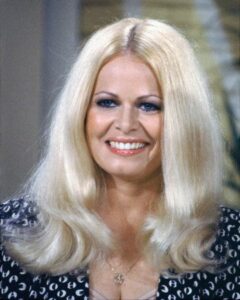
“That’s when you realize the impact we had,” Struthers said with genuine awe. “I’ve done many guest appearances on different shows over the years, and while they’re enjoyable, ‘All in the Family’ was truly groundbreaking—something that doesn’t happen for many actors.”
From a devastating firing to television immortality, Sally Struthers’ journey reminds us that sometimes our greatest setbacks lead to our most significant triumphs. Her story proves that rejection isn’t the end—it’s often just the beginning of something extraordinary.