On February 28, 1983, over 125 million Americans tuned in to watch the MASH series finale—a television event that remains one of the most-watched broadcasts in history. But the show’s cultural impact extends far beyond ratings records. MASH didn’t just entertain audiences for eleven seasons; it fundamentally changed what television could be, how America processed its relationship with war, and what viewers expected from comedy. Decades after its final episode aired, MAS*H remains a cultural touchstone referenced in everything from political discourse to medical ethics discussions. Here are three powerful reasons why this show about a mobile army surgical hospital transcended its premise to become an enduring icon.
Reason One: MAS*H Revolutionized Television’s Artistic Ambition
Before MASH, the sitcom format was fairly rigid. Shows were primarily escapist entertainment with clear boundaries between comedy and drama, predictable episode structures, and characters who rarely evolved. MASH shattered every one of these conventions with such confidence that it redefined what television comedy could accomplish. The show proved that audiences were sophisticated enough to handle tonal whiplash—laughing at Hawkeye’s pranks one moment and crying over a soldier’s death the next—without losing engagement.
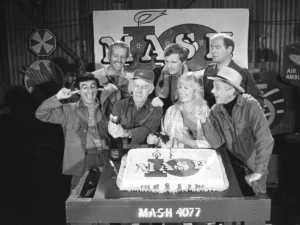
The artistic ambition extended to visual storytelling as well. MAS*H employed cinematic techniques rarely seen in television at the time, using handheld cameras to create documentary-style realism, employing long takes that let actors fully inhabit emotional moments, and trusting silence to carry weight instead of constantly filling space with dialogue or laugh tracks. Episodes like “Point of View,” shot entirely from a wounded soldier’s perspective, or “Dreams,” which depicted characters’ surreal nightmares, demonstrated that sitcoms could be experimental art without alienating mainstream audiences.
This revolution in ambition paved the way for every sophisticated television drama that followed. Without MASH proving that TV could tackle complex themes with nuance and artistry, shows like The Sopranos, Breaking Bad, and The West Wing might never have existed. MASH showed network executives that audiences craved substance, that they could handle moral ambiguity, and that respecting viewers’ intelligence was actually good business. The show elevated the entire medium by refusing to accept its limitations.
Reason Two: MAS*H Gave America a New Language for Processing War
The Korean War setting was always a thin disguise for Vietnam commentary, and everyone knew it. By setting the show in the 1950s while airing during and after the Vietnam era, MAS*H created a safe distance that allowed it to explore war’s absurdity, tragedy, and moral complexity without triggering the raw defensiveness that direct Vietnam commentary might have provoked. This brilliant sleight of hand gave Americans a desperately needed framework for processing trauma, questioning authority, and grappling with complicated feelings about military conflict.
MASH introduced nuanced anti-war sentiment into mainstream entertainment without being preachy or dismissive of soldiers’ sacrifices. The show never suggested that the doctors and nurses of the 4077th were wrong for serving; instead, it compassionately portrayed good people trapped in a bad situation, trying to save lives in a system designed to destroy them. This distinction was crucial. By honoring the humanity of people caught in war while simultaneously questioning war’s validity, MASH gave voice to a perspective that millions felt but couldn’t quite articulate.
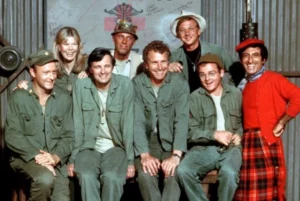
The show created archetypes that entered cultural vocabulary: Hawkeye Pierce became shorthand for principled resistance within systems, using humor as survival mechanism and refusing to let war destroy his humanity. Colonel Potter represented wise leadership that valued people over protocol. Klinger’s section 8 attempts embodied the absurdity of military bureaucracy. These characters became reference points for discussing not just war, but any situation where individuals navigate broken systems while trying to maintain integrity.
MASH also normalized conversations about the psychological cost of war. Long before PTSD became widely recognized or discussed, the show portrayed characters struggling with trauma, moral injury, and the emotional toll of constant exposure to suffering. By making these struggles visible and legitimate, MASH helped destigmatize mental health issues related to combat and gave veterans cultural permission to acknowledge their own struggles.
Reason Three: MAS*H Modeled Radical Compassion in Impossible Circumstances
Perhaps MAS*H’s most enduring cultural contribution was demonstrating that compassion—for enemies, for difficult people, for yourself—wasn’t weakness but the highest form of strength. Episode after episode showed characters choosing empathy when hatred would be easier, choosing connection when isolation would be safer, choosing to care when numbness would hurt less. This consistent modeling of radical compassion in the face of dehumanizing circumstances provided a moral blueprint that transcended the war setting.
The show’s treatment of Korean characters evolved significantly over its run, moving from occasional stereotypes to increasingly nuanced portrayals that acknowledged the humanity and dignity of people whose country had become a battlefield for others’ ideological conflicts. Episodes focusing on Korean civilians caught in the crossfire, or North Korean soldiers revealed to be frightened young men rather than faceless enemies, challenged viewers to maintain compassion across political and cultural divides. In an era of increasing polarization, this remains powerfully relevant.
MAS*H also modeled compassion within its ensemble cast. These characters didn’t always like each other—Winchester and Pierce clashed constantly, Margaret and the surgeons had years of antagonism, Klinger drove everyone crazy—yet they consistently chose to see each other’s humanity. They forgave each other’s worst moments, supported each other through trauma, and created family from dysfunction. This portrayal of chosen family, of people who stick together not because it’s easy but because abandoning each other would make them less human, resonated deeply with viewers navigating their own complicated relationships.
The compassion extended to how characters treated themselves. MAS*H normalized seeking help, talking about feelings, and acknowledging vulnerability as necessary rather than shameful. When Hawkeye had breakdowns, when Margaret cried, when tough guys admitted fear, it wasn’t portrayed as failure but as honest humanity. This permission to be imperfect, to need help, to struggle visibly, was revolutionary for television and provided cultural permission that rippled far beyond the screen.
The Lasting Legacy
These three reasons—artistic revolution, providing language for war’s complexity, and modeling radical compassion—combined to make MASH more than just a successful television show. It became a cultural reference point, a shared experience that shaped how an entire generation understood war, trauma, humor, and humanity. Medical students still cite MASH as inspiration for entering the field. Veterans reference it when discussing their experiences. Therapists use clips in teaching about trauma and resilience.
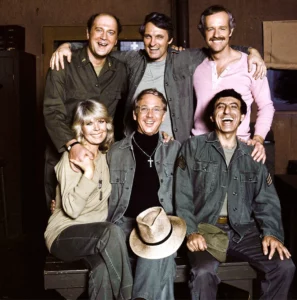
The show’s cultural icon status endures because it addressed timeless human questions through a specific historical lens. How do you maintain humanity in dehumanizing circumstances? How do you find meaning in meaningless suffering? How do you balance duty with conscience? These questions remain relevant whether you’re in a war zone, navigating a toxic workplace, or simply trying to stay decent in an indecent world.
MASH proved that popular entertainment could be profound, that comedy could coexist with tragedy, and that television could change culture rather than just reflect it. That’s why, decades after its finale, we’re still talking about a show set in a war that ended seventy years ago. Some stories transcend their settings to become permanent parts of our cultural DNA. MASH is one of them.