The haunting opening theme, the campfire songs, the vinyl records spinning in the Swamp—music in MASH was never just background noise. It was a character in itself, a lifeline to home, and a sophisticated storytelling tool that added layers of meaning most viewers experienced emotionally without consciously recognizing. From carefully chosen period pieces to original compositions that became cultural touchstones, the music of MASH deserves its own standing ovation. Here are ten fascinating details about the sonic landscape that made this show unforgettable.
The Theme Song Has Shocking Lyrics
Everyone recognizes the melancholic instrumental theme “Suicide is Painless,” but few realize it actually has lyrics—and they’re devastatingly dark. Written by director Robert Altman’s 14-year-old son Mike for the original film, the full song explores themes of mortality and escape with lines like “The sword of time will pierce our skins, it doesn’t hurt when it begins.” The show’s producers wisely chose to use only the instrumental version for television, but the haunting melody carries those dark undertones subconsciously. Knowing the hidden lyrics adds an entirely new dimension when you hear that familiar guitar picking through the opening credits, transforming nostalgia into something more profound and unsettling.
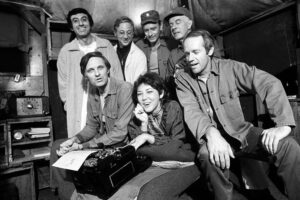
Period-Accurate Music Was a Deliberate Choice
Music supervisor Johnny Mandel and the show’s producers obsessed over historical accuracy, ensuring that every song played on the camp’s phonograph or sung around the still could have plausibly existed during the Korean War era of 1950-1953. This attention to detail extended beyond avoiding anachronisms—it created authentic emotional texture. When characters listened to Patti Page, Nat King Cole, or Perry Como, they were hearing what real soldiers would have heard, creating a bridge between the show’s fictional world and historical reality. This commitment to period authenticity made the music function as time machine, transporting viewers not just to Korea, but to the early 1950s mindset.
The Absence of a Laugh Track in the OR
While not strictly about music, this sonic choice was revolutionary. Producer Larry Gelbart insisted that surgical scenes contain no laugh track, creating moments of pure dialogue and ambient sound that felt drastically different from the rest of the show. The beeping monitors, clinking instruments, and urgent voices became their own kind of music—a rhythm of life and death that made viewers lean in closer. This absence of artificial laughter transformed the operating room into sacred space where comedy took a backseat to drama, and the show’s tonal sophistication came through purely in sound design.
Radar’s Record Collection Revealed His Character
The music Radar O’Reilly played told a sophisticated character story. His collection leaned toward innocent, wholesome performers and sentimental ballads that reflected his small-town Iowa upbringing and emotional openness. When he played Mantovani’s lush orchestrations or sweet love songs, it wasn’t just background music—it was character development through sonic choices. The contrast between Radar’s musical tastes and Hawkeye’s more sardonic preferences created subtle tension and depth in their friendship, showing how music can reveal generational and temperamental differences without a word of dialogue.

The 4077th’s Musical Performances
The camp’s variety show performances and spontaneous musical moments weren’t just comic relief—they represented survival through art. When the characters staged elaborate productions with costumes cobbled together from medical supplies and sets built from tent canvas, singing everything from show tunes to patriotic numbers, they were demonstrating humanity’s need to create beauty even in hell. These performances became acts of defiance against war’s dehumanizing effects. The episode featuring a full-scale amateur production showed that music and performance weren’t frivolous distractions but essential tools for maintaining sanity and community.
Classical Music as Winchester’s Character Signature
When Charles Emerson Winchester III arrived at the 4077th with his record collection of Bach, Mozart, and Beethoven, classical music became his defining characteristic—and a brilliant narrative device. His insistence on listening to complex compositions while others preferred popular music established him as an elitist, yes, but also as someone who found solace in structure and excellence. The show’s most touching Winchester moment came when he secretly taught a Korean musician to play the classical pieces he loved, revealing that music was his language of connection when words failed. His French horn playing added another layer, showing vulnerability and passion beneath his aristocratic facade.
The Strategic Use of Silence
MAS*H’s most powerful musical choice was sometimes the complete absence of music. In particularly heavy episodes dealing with death, moral compromise, or psychological trauma, the producers stripped away all music except diegetic sound—music that came from sources within the scene itself. This created moments of stark realism that hit viewers like a gut punch. The silence forced audiences to sit with uncomfortable emotions without the cushion of a musical score telling them how to feel. It was a bold choice that respected viewers’ intelligence and emotional capacity.
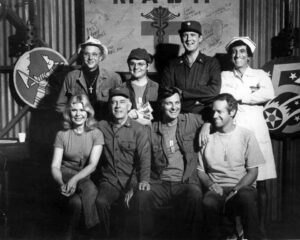
Campfire Songs as Community Building
The recurring motif of characters gathered around singing together—whether drinking songs in the Swamp or sentimental numbers around an actual fire—represented music’s power to create temporary family. These scenes typically featured the cast’s actual voices, imperfect and human, rather than polished studio recordings. When they sang “America the Beautiful” or old standards together, often with slight drunkenness making their harmonies waver, it felt genuine. These musical moments created space for characters to lower their defenses and connect without the antagonism that defined many of their interactions. Music became the neutral territory where they could remember they were all in this together.
The Evolution of the Show’s Musical Tone
Early seasons featured more upbeat, comedic music cues that emphasized the show’s sitcom elements. As MAS*H evolved into more serious drama, the musical palette darkened and became more sophisticated. Later seasons incorporated more jazz, blues, and melancholic instrumentals that reflected the characters’ war-weariness and psychological complexity. This musical evolution paralleled the show’s narrative maturation, with the soundtrack growing as weary and complicated as the characters themselves. Tracking this musical journey across eleven seasons reveals a sonic story of innocence lost and wisdom gained.
The Finale’s Musical Choices
The series finale “Goodbye, Farewell and Amen” made brilliant musical choices that elevated its emotional impact. The use of the theme song in different arrangements throughout the episode, the absence of music during Hawkeye’s traumatic revelation, and the final scene’s gentle instrumental version of the theme as characters departed created a musical arc that mirrored the narrative one. The restraint shown in the finale’s music—never overwhelming the emotion but supporting it—demonstrated how sophisticated the show’s use of music had become over its run.
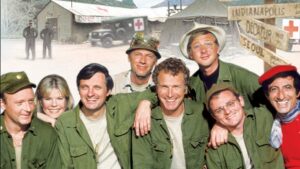
Music as Memory and Home
Ultimately, music in MAS*H functioned as what soldiers needed most: a connection to home and a tether to normalcy. When Hawkeye put on a record in the Swamp, he wasn’t just entertaining himself—he was remembering who he was before war, maintaining the identity that military life tried to erase. The music these characters chose revealed their internal lives, their homesickness, their strategies for psychological survival. Every note played in that mobile hospital was an act of resistance against forgetting what they were fighting for and who they’d been before the fighting.
These ten details about MAS*H’s music reveal a level of artistic sophistication that helped elevate a sitcom into one of television’s most respected dramas. The show understood that music isn’t decoration—it’s meaning, memory, and medicine all at once.