Colonel Sherman T. Potter arrived at the 4077th Mobile Army Surgical Hospital in Season 4 as a replacement commander, and what could have been a disruptive change became one of MAS*H’s greatest gifts. Unlike his predecessor, Potter brought wisdom, warmth, and a father-figure presence that transformed the dynamics of the entire camp. His relationships with Hawkeye, BJ, and the rest of the medical staff created some of the series’ most memorable and heartwarming moments that showcased leadership, friendship, and mutual respect in the unlikeliest of places.
The Arrival: Earning Respect Through Authenticity
Colonel Potter’s first interactions with the doctors set the tone for everything that followed. Rather than demanding respect through rank alone, he earned it by rolling up his sleeves and joining them in the OR. The moment when Hawkeye and BJ realized they weren’t dealing with another by-the-book military stiff, but rather a seasoned surgeon who understood their world intimately, was pivotal. Potter’s calm declaration that he was there to support them, not micromanage them, established a foundation of trust that would define their relationships for years to come. This wasn’t just a commanding officer—this was someone who had been in their shoes and never forgot what it felt like.
The Painting Session: Art as Connection
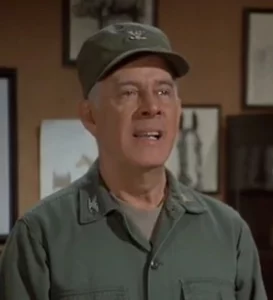
One of the most touching moments came when Colonel Potter invited Hawkeye to join him for a painting session. Potter’s passion for art revealed a sensitive, contemplative side that contrasted beautifully with his gruff military exterior. As they painted the Korean countryside together, their conversation drifted from technique to philosophy, from war to life back home. Hawkeye, usually the camp’s chief cynic, found himself genuinely relaxed and open. This scene demonstrated that Potter’s leadership extended beyond orders and protocols—he understood that sometimes the best medicine for war-weary souls was simply sharing something beautiful and peaceful together.
The Poker Game Wisdom
The regular poker games in the Swamp became legendary, but the games after Potter arrived took on new meaning. During one particularly memorable hand, Potter dispensed life advice between dealing cards, his stories about his experiences in World War I and World War II providing perspective that even Hawkeye couldn’t dismiss with sarcasm. When BJ was struggling with homesickness, Potter folded a winning hand to share a story about missing his wife Mildred during his first deployment. The message was clear: you don’t just endure these feelings—you honor them, you share them, and somehow, that makes them bearable. These poker sessions became informal therapy sessions where rank dissolved and they were simply men trying to survive something bigger than themselves.
Sophie’s Arrival: Potter’s Beloved Horse
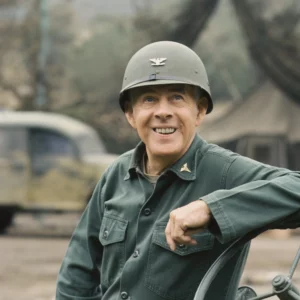
When Colonel Potter arranged to have his horse Sophie brought to Korea, it could have been seen as an eccentric indulgence. Instead, it became a moment that brought the entire medical staff closer to their CO. The scene where Hawkeye and BJ helped Potter prepare Sophie’s quarters, listening to him talk about his life back in Missouri, his grandchildren, and his dreams for after the war, revealed dimensions of Potter’s character that made him not just respected but genuinely loved. When Sophie fell ill and the doctors watched Potter’s anguish, their determination to help save the horse wasn’t about veterinary duty—it was about protecting something precious to someone they cared about deeply.
The Heart Attack Scare: Vulnerability and Trust
Perhaps no moment defined their relationship more powerfully than when Colonel Potter experienced chest pains and tried to hide it from everyone. When Hawkeye discovered the truth and confronted him, the role reversal was profound. Now Hawkeye was the one insisting on proper medical protocol while Potter was the reluctant patient. The tender care with which Hawkeye and BJ monitored Potter’s condition, their genuine fear of losing him, demonstrated that he had become far more than their commanding officer. He was their anchor, their mentor, and their friend. Potter’s eventual admission that he was scared, vulnerable in front of his subordinates, showed a level of trust that went both ways. The relief when he recovered was palpable throughout the camp.
The Anniversary Celebration: Found Family
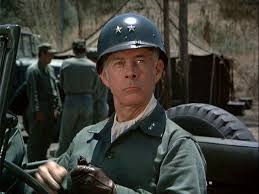
When the camp organized a surprise anniversary celebration for Colonel Potter and Mildred, coordinating a phone call and creating a party from nothing, it represented the culmination of their evolved relationship. Hawkeye and BJ orchestrated the entire event with genuine affection and creativity. The look on Potter’s face when he realized what they’d done—the tough cavalry officer fighting back tears—was television gold. His speech thanking them, acknowledging that they’d become his family in this hellish place, brought the truth into the open: they needed each other. Potter needed these brilliant, irreverent doctors to keep him young and remind him why they were fighting, and they needed his steady wisdom to keep them grounded.
The Advice That Stuck
Throughout the series, Potter dispensed advice that resonated because it came from genuine experience and affection. When he told Hawkeye, “You’re not just a good surgeon, you’re a good man, and don’t you forget it” during one of Hawkeye’s darkest moments, it carried weight because Potter never said anything he didn’t mean. When he counseled BJ about maintaining his marriage from afar, sharing his own strategies for keeping love alive across oceans and years, it was wisdom earned through lived experience.
Legacy of Mutual Respect
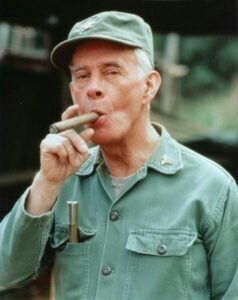
What made Colonel Potter’s relationship with his doctors so special was the mutual growth it inspired. Potter learned to appreciate their unconventional approaches and even bend rules when humanity demanded it. Hawkeye and BJ learned that military structure doesn’t automatically mean rigidity or callousness. They discovered that authority, when wielded with wisdom and compassion, can actually be comforting rather than constraining.
These six moments—and countless others throughout Potter’s tenure at the 4077th—illustrated that leadership at its best creates space for people to be fully human. Colonel Potter didn’t demand that his doctors become soldiers; he recognized that their rebellion, their humor, and their compassion made them exceptional at what they did. In return, they gave him their loyalty, not because regulations required it, but because he earned it every single day.
The relationship between Colonel Potter and his doctors remains one of television’s finest portrayals of mentorship, friendship, and mutual respect forged in adversity. It reminds us that even in war, perhaps especially in war, the connections we forge with those who understand our struggles can become the lifeline that keeps us human.