When MASH aired its final episode in 1983, over 125 million Americans tuned in, making it the most-watched television broadcast in history at that time. But the show’s influence extended far beyond ratings records—it fundamentally transformed television as a medium, reshaped cultural conversations about war and masculinity, and established storytelling conventions that dominate entertainment today. More than four decades later, MASH’s impact remains visible across modern culture, from how we discuss military service to what we expect from television drama, from evolving definitions of heroism to changing attitudes about mental health. Understanding MAS*H’s cultural influence reveals how a single television series can alter collective consciousness and demonstrate entertainment’s power to shape values, challenge assumptions, and redefine what’s possible in popular media.
It Legitimized Television as Serious Art
Before MASH, television was widely dismissed as a lesser medium compared to film or theater—entertaining but ultimately disposable, incapable of the depth and artistry associated with “serious” culture. MASH challenged this perception by delivering consistently excellent writing, sophisticated storytelling, and performances that rivaled anything in cinema. The show demonstrated that television’s serialized format could actually enable character development and thematic exploration impossible in film’s limited runtime. Critics who had previously ignored television began taking it seriously, and MAS*H received recognition typically reserved for prestigious films and stage productions.
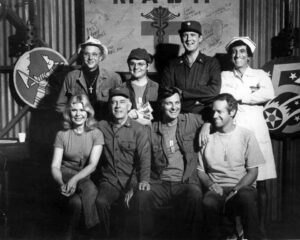
This legitimization opened doors for subsequent ambitious television programming. Without MASH proving television’s artistic potential, prestige dramas like The Wire, The Sopranos, Breaking Bad, and Mad Men might never have been greenlit. The show established that audiences would embrace complex, challenging content that respected their intelligence rather than pandering to perceived lowest common denominators. Modern television’s golden age, with its cinematic production values and novelistic storytelling ambitions, traces its lineage directly to MASH’s groundbreaking demonstration that the medium could achieve genuine artistry.
It Changed How America Discusses War and Military Service
MASH profoundly influenced American cultural attitudes toward war, military service, and patriotism. The show aired during the Vietnam era when the nation was bitterly divided over military intervention, and while set during the Korean War, its anti-war message clearly addressed contemporary conflicts. MASH popularized the idea that you could support soldiers while opposing the wars they fought, that patriotism could include questioning government decisions, and that the real heroes weren’t necessarily the warriors but sometimes the healers trying to mitigate war’s damage.
This nuanced perspective reshaped cultural discourse around military service. Before MASH, mainstream entertainment typically portrayed war in black-and-white terms—noble causes fought by heroic soldiers against evil enemies. MASH introduced moral ambiguity, showing war as often senseless, discussing civilian casualties and unintended consequences, and portraying soldiers as complex individuals rather than propaganda symbols. The show’s influence is visible in every subsequent war film or series that attempts nuanced portrayals rather than simple glorification, from Platoon to Generation Kill to modern discussions about PTSD and military mental health.
It Revolutionized How Television Portrays Masculinity
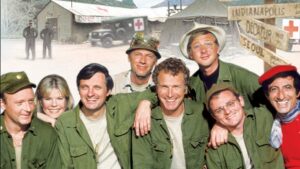
MAS*H’s male characters were revolutionary for showing vulnerability, emotional expression, and non-violent forms of courage that contradicted prevailing masculine stereotypes. Hawkeye Pierce cried, admitted fear, expressed love for male friends, and found strength in healing rather than fighting. B.J. Hunnicutt openly discussed missing his daughter and needing emotional support. Father Mulcahy demonstrated that gentleness wasn’t weakness. These portrayals challenged toxic masculinity decades before that term entered common usage, modeling alternative masculine identities that didn’t require emotional suppression or violence to prove manhood.
The show’s influence on representations of masculinity extends throughout modern culture. Contemporary discussions about men’s mental health, the importance of male friendship and emotional intimacy, and alternatives to aggressive masculinity all benefit from groundwork MASH established. Characters in modern television who cry, express feelings, and find strength through connection rather than domination owe debt to MASH’s pioneering portrayals. The show helped normalize the idea that real men could be sensitive, scared, and emotionally available without diminishing their masculinity.
It Established the Dramedy Genre
MASH essentially created the dramedy genre—programming that seamlessly blends comedy and drama, where humor and heartbreak coexist naturally rather than existing in separate tonal lanes. Before MASH, television shows were categorized as either comedies or dramas, with little crossover. MAS*H demonstrated that these categories were artificial constraints, that real life contains both laughter and tears, often simultaneously, and that the best storytelling honors this complexity rather than choosing one tone exclusively.
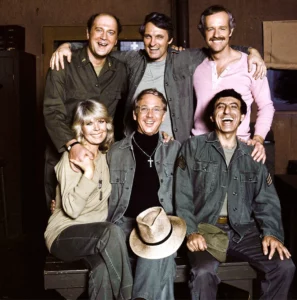
Every modern dramedy from Orange Is the New Black to Fleabag to Atlanta owes creative debt to MASH’s genre innovation. The show proved audiences could navigate tonal complexity, that comedy enhanced rather than diminished serious themes, and that the same characters could make viewers laugh one moment and cry the next without feeling jarring. This tonal sophistication is now standard in prestige television, but MASH pioneered it when conventional wisdom insisted audiences wanted clear genre categories and consistent tones.
It Normalized Mental Health Conversations
MAS*H addressed mental health with unprecedented honesty and frequency, portraying PTSD, depression, anxiety, and psychological trauma long before mainstream culture acknowledged these issues openly. The show depicted characters experiencing breakdowns without stigmatizing them, showed therapy as helpful rather than shameful, and consistently emphasized that psychological wounds were as real and deserving of care as physical injuries. This representation was revolutionary for 1970s and 1980s television, which typically avoided mental health topics or portrayed them sensationally.
The show’s influence on mental health awareness and destigmatization cannot be overstated. MASH helped normalize conversations that were previously taboo, encouraged viewers experiencing similar struggles to seek help, and educated audiences about psychological trauma’s reality and legitimacy. Modern culture’s increased awareness of mental health issues, greater acceptance of therapy, and understanding of conditions like PTSD benefited enormously from MASH’s groundbreaking portrayals. The show demonstrated that depicting mental health struggles honestly enhanced rather than detracted from entertainment value while serving important educational and cultural functions.

It Proved Ensemble Casts Could Sustain Long-Running Series
MASH pioneered the ensemble cast model that dominates modern television. Rather than centering on a single protagonist with supporting characters, MASH distributed attention across multiple characters, allowing each to have meaningful arcs and significant episodes. This structure created richness and variety that sustained interest across eleven seasons and demonstrated that audiences could invest in multiple characters simultaneously rather than requiring a single identification figure.
The ensemble model is now standard in prestigious television, from Game of Thrones to This Is Us to The Crown, but MASH established the template. The show proved that ensemble casts allowed greater storytelling flexibility, enabled exploration of diverse perspectives, and created resilience when cast changes occurred since no single actor was indispensable. Modern television’s sophisticated ensemble storytelling traces directly to MASH’s pioneering approach.
It Demonstrated That Finales Could Be Cultural Events
MAS*H’s series finale, “Goodbye, Farewell and Amen,” established that television finales could be momentous cultural events commanding national attention. The record-breaking viewership and subsequent cultural conversation demonstrated that television series could matter to audiences in ways previously reserved for major films or historical events. The finale showed that how a series ended mattered enormously, that creators owed audiences satisfying conclusions rather than simply stopping production.
Every subsequent major television finale, from The Sopranos to Breaking Bad to Game of Thrones, exists in MASH finale’s shadow. The expectation that beloved series should receive proper, satisfying conclusions rather than abrupt cancellations stems from MASH establishing finales as crucial storytelling opportunities. The show demonstrated that finales could provide emotional catharsis, thematic resolution, and cultural significance that justified the years audiences invested in following characters’ journeys.
It Advanced Representation in Mainstream Television
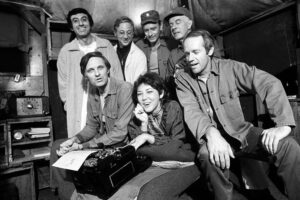
MASH quietly advanced representation in ways that were groundbreaking for its era. The show featured Asian-American characters portrayed with dignity rather than stereotype, addressed racism directly through storylines challenging prejudice, and included women in roles beyond conventional romantic interests or domestic figures. While imperfect by contemporary standards, MASH pushed boundaries on representation issues when mainstream television rarely acknowledged diversity at all.
The show’s influence on representation is visible in subsequent television’s gradual improvements. By demonstrating that diverse casting and stories challenging prejudice enhanced rather than limited audience appeal, MASH helped open doors for more inclusive programming. Modern conversations about representation in entertainment benefit from precedents MASH established, even as we recognize how much further progress remains necessary.
It Showed Comedy Could Address Serious Social Issues
MAS*H pioneered using comedy as vehicle for serious social commentary, demonstrating that humor could enhance rather than undermine important messages. The show addressed racism, sexism, homophobia, class inequality, and institutional corruption through comedic frameworks that made difficult topics accessible while maintaining substantive critique. This approach proved that comedy wasn’t inherently superficial but could be powerful tool for social commentary when wielded skillfully.
Modern satirical comedy from The Daily Show to Last Week Tonight to BoJack Horseman follows templates MAS*H established—using humor to examine serious issues, making audiences laugh while challenging their assumptions, and demonstrating that entertainment and education aren’t mutually exclusive. The show helped legitimize comedy as worthy of intellectual respect and proved that making people laugh could coexist with making them think.
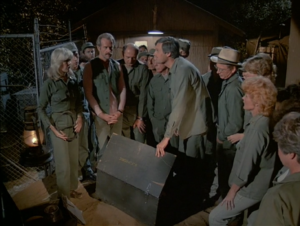
It Created Template for Medical Dramas
MAS*H established conventions that virtually every subsequent medical drama has followed—using medical cases as metaphors for larger themes, showing doctors’ personal lives and psychological struggles alongside their professional duties, and depicting medicine as emotional labor requiring psychological resilience as well as technical skill. The show’s operating room scenes set standards for depicting medical procedures with both accuracy and dramatic tension.
Every medical drama from ER to Grey’s Anatomy to The Good Doctor operates within frameworks MASH established. The genre’s focus on character development alongside medical cases, its examination of healthcare workers’ psychological toll, and its use of medical situations to explore broader human themes all trace back to MASH’s pioneering approach. The show created the template that medical dramas continue following decades later.
MAS*H’s cultural influence extends across multiple dimensions—genre innovation, representation advances, narrative techniques, thematic explorations, and shifts in cultural attitudes. The show didn’t just reflect its era but actively shaped how subsequent generations understood war, masculinity, mental health, and television’s potential as artistic medium. Its impact remains visible throughout modern entertainment and contemporary cultural conversations, demonstrating that exceptional storytelling can influence society in ways that persist long after the final credits roll.