More than four decades after its legendary finale aired to over 125 million viewers, MASH continues to resonate with audiences across generations. This remarkable longevity isn’t accidental—it’s the result of brilliant writing, fearless storytelling, and a profound understanding of human nature that transcends time and cultural boundaries. While countless shows from the same era have faded into obscurity, MASH remains vibrantly relevant, speaking to contemporary audiences with the same power it wielded during its original run. Understanding why this show endures reveals not just its genius, but also what truly matters in storytelling that stands the test of time.
It Balanced Comedy and Tragedy Like No Show Before or Since
MASH pioneered a tonal balance that television had never attempted with such ambition. Within a single episode, viewers could laugh hysterically at Klinger’s outrageous escape attempts, then find themselves crying over a young soldier’s death minutes later. This wasn’t tonal whiplash—it was authentic life captured on screen. The show’s creators understood that real people experiencing trauma don’t exist in constant darkness; they find moments of levity to survive. Similarly, joy in wartime is always tinged with awareness of surrounding tragedy. This sophisticated approach to storytelling respected audience intelligence, trusting viewers to navigate complex emotional terrain without neat, sanitized resolutions. Modern audiences, increasingly tired of content that talks down to them or provides only escapism, find MASH’s honesty refreshing. The show demonstrated that entertainment could be both funny and meaningful, that laughter and tears could coexist naturally without diminishing either. This balance created emotional authenticity that remains powerful because human nature hasn’t changed—we still need humor to cope with darkness, and we still find joy haunted by awareness of suffering.
The Characters Were Flawed Humans, Not Perfect Heroes
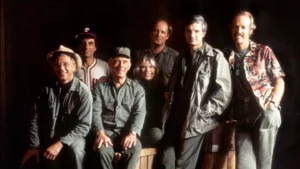
Every character in MASH carried believable flaws and contradictions that made them feel genuinely human rather than fictional constructs. Hawkeye, the show’s moral center, was also a womanizer who sometimes drank too much and used humor as an unhealthy defense mechanism. Margaret Houlihan evolved from a one-dimensional antagonist into a complex woman struggling with career ambitions, romantic disappointments, and her own prejudices. Even beloved characters like B.J. Hunnicutt revealed capacity for pettiness and poor judgment. This refusal to create perfect heroes or irredeemable villains gave the show psychological depth that remains compelling. Contemporary audiences, living in an era of increased awareness about mental health and human complexity, appreciate that MASH showed people doing their best in impossible circumstances while still making mistakes. The characters’ struggles with maintaining their humanity amid dehumanizing conditions speaks directly to modern concerns about preserving values in morally complicated situations. We see ourselves in their contradictions—their desire to do good while sometimes falling short, their attempts to maintain principles while making compromises, their efforts to stay sane in insane circumstances.
It Tackled Social Issues Without Preaching
MASH addressed racism, sexism, homophobia, mental health stigma, and military injustice through character-driven stories rather than heavy-handed lectures. When the show explored racism, it did so through individuals confronting their own prejudices and the prejudices directed at them, making the impact personal rather than abstract. Episodes dealing with mental health showed characters experiencing psychological breaks without sensationalizing their suffering or offering simplistic solutions. The show’s feminism emerged through Margaret’s journey and the female nurses’ experiences rather than through speeches about gender equality. This approach allowed messages to land more effectively because they felt discovered rather than imposed. Modern audiences, often skeptical of content that feels like propaganda regardless of political orientation, respond to MASH’s narrative integrity. The show demonstrated that entertainment can engage with serious issues while prioritizing storytelling over messaging, that you can make points effectively by showing rather than telling. Its progressive values were woven into character development and plot rather than announced, making them more persuasive and enduring.
The Anti-War Message Feels Increasingly Relevant
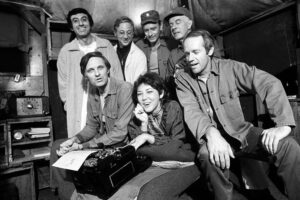
While set during the Korean War, MASH was clearly commenting on Vietnam and speaking to universal truths about military conflict. Its anti-war stance didn’t center on politics or policy but on the human cost of violence—the physical and psychological damage inflicted on everyone involved. The show demonstrated how war wastes young lives, traumatizes survivors, and forces good people into impossible moral positions. This perspective feels particularly relevant as contemporary audiences grapple with ongoing questions about military intervention, the treatment of veterans, and the true costs of conflict beyond what appears in news headlines. MASH showed that you could support soldiers while questioning the wars they fight, that patriotism could coexist with peace advocacy. The show’s depiction of war’s absurdity—the bureaucratic nonsense, the arbitrary rules, the disconnect between leadership and reality—resonates with anyone who has experienced institutional dysfunction. Its message that war creates more problems than it solves, delivered through specific human stories rather than political arguments, continues to challenge audiences to think critically about military solutions to complex problems.
The Humor Still Works Across Generational Divides
Unlike many comedies from its era that relied on dated references or humor that hasn’t aged well, MASH’s comedy remains accessible and genuinely funny. The show’s humor came from character, situation, and wordplay rather than stereotypes or cheap shots. Hawkeye’s rapid-fire wit, Klinger’s elaborate schemes, the running gags about camp conditions, and the verbal sparring between characters all translate across decades because they’re rooted in universal human behaviors rather than temporary cultural moments. Physical comedy, like the pratfalls and chaos in the operating room or mess tent, needs no cultural context to land. The satire targeting military bureaucracy, medical absurdity, and institutional incompetence feels fresh because these phenomena persist in modern life. Young viewers discovering MASH for the first time often express surprise that a show from the 1970s and 1980s makes them laugh without feeling like a historical curiosity. This timeless quality stems from the writers’ focus on fundamental human comedy—misunderstandings, status conflicts, coping mechanisms, and the absurd situations arising when flawed people face extraordinary circumstances together.
It Showed Male Vulnerability and Emotional Depth
In an era when television men were expected to be stoic and emotionally contained, MASH showed its male characters crying, expressing fear, admitting weakness, and supporting each other emotionally. Hawkeye’s psychological breakdown in the series finale, while shocking, was the culmination of eleven seasons showing this character’s emotional fragility beneath his witty exterior. The show depicted male friendship with tenderness—B.J. and Hawkeye’s relationship included expressions of love and need that television rarely allowed between men. Father Mulcahy’s quiet struggles with feeling inadequate, Charles Winchester’s revelation of his secret kindness, even Colonel Potter’s occasional tears—all demonstrated that strength and vulnerability could coexist. Modern audiences, particularly in an age of increasing awareness about toxic masculinity and men’s mental health, find this representation revolutionary for its time and still refreshing today. MASH proved that showing men as fully emotional beings enhanced rather than diminished their heroism, that the courage to feel and express emotions was its own form of bravery.
The Ensemble Cast Created a Believable Found Family
The 4077th functioned as a found family whose dynamics felt authentic and earned. These weren’t people who would have chosen each other in normal circumstances, but war forced them together and they created bonds of necessity that evolved into genuine love. The show took time to develop relationships between all characters, not just focusing on the leads. We saw how Colonel Potter became a father figure, how Margaret and the nurses formed sisterhood, how even antagonistic relationships like Hawkeye and Charles developed grudging respect and hidden affection. This portrayal of found family resonates powerfully with contemporary audiences for whom chosen family has become increasingly important. The show demonstrated that family isn’t just blood relations but the people who see you through your worst moments and celebrate your best, who know your flaws and stay anyway. In an increasingly mobile, disconnected world, MAS*H’s depiction of people creating deep connections in temporary circumstances offers both comfort and inspiration.
It Evolved and Grew Instead of Becoming Stale
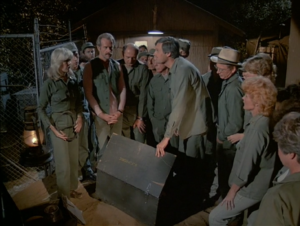
MAS*H never stopped developing its characters or taking creative risks. Margaret’s transformation from “Hot Lips” to a three-dimensional woman with agency and depth occurred gradually over seasons. The show’s tonal shift from broader comedy to darker dramedy reflected both the creators’ artistic growth and willingness to challenge their audience. When actors left, rather than simply replacing them with similar characters, the show introduced new people with different dynamics—B.J. was deliberately not just another Trapper John, and Colonel Potter brought entirely different energy than Henry Blake. Later seasons tackled increasingly ambitious storytelling experiments, including episodes without laugh tracks and stories told from unusual perspectives. This creative courage kept the show fresh across eleven seasons and demonstrated respect for audience intelligence. Modern viewers binge-watching the series can track this evolution and appreciate the show’s refusal to simply repeat successful formulas.
The Production Quality and Attention to Detail Was Exceptional
MAS*H maintained remarkable production standards throughout its run. The outdoor sets felt authentic, the medical procedures were researched and realistically portrayed, and the costuming and props reflected genuine attention to historical accuracy. The show filmed in the harsh conditions of outdoor locations rather than comfortable sound stages whenever possible, giving scenes tactile reality. The operating room scenes, with their unflinching depiction of battlefield medicine and the actors’ commitment to portraying genuine surgical technique, created visceral impact that persists. This production quality means the show hasn’t been diminished by time—it doesn’t look cheap or dated in ways that pull viewers out of the story. The craftsmanship evident in every aspect of production demonstrated that television could achieve cinematic quality when creators cared enough to invest the effort.
The Finale Provided Closure While Honoring the Journey
“Goodbye, Farewell and Amen” gave MASH an ending that felt both conclusive and emotionally satisfying, a rarity in television then and now. The finale didn’t shy away from darkness—Hawkeye’s trauma and the circumstances of his breakdown were harrowing—but it also provided hope and resolution. Each character received meaningful closure to their arc, and the final images of the camp being dismantled and everyone going their separate ways delivered the bittersweet ache of necessary endings. The famous “GOODBYE” spelled out in stones on the hillside gave audiences an image of lasting friendship and remembered connection. This finale demonstrated that shows could end with integrity, providing real conclusions rather than just stopping. Modern audiences, frustrated by shows canceled without resolution or series that overstay their welcome, appreciate MASH’s recognition that good storytelling requires knowing when and how to end.
MAS*H endures because it achieved something rare—it entertained while respecting intelligence, addressed serious issues without sacrificing story, and understood that the best comedy and drama arise from authentic human complexity. These elements remain timeless, ensuring new generations will continue discovering why this show about a mobile army surgical hospital became one of television’s greatest achievements.