While MAS*H is rightfully celebrated for its main cast, the show’s true depth and richness came from its incredible supporting characters who left indelible marks on viewers’ hearts. These weren’t just background players filling space—they were fully realized individuals who brought authenticity, humor, and profound humanity to the 4077th Mobile Army Surgical Hospital. Their appearances, whether frequent or fleeting, created some of the series’ most memorable moments and demonstrated the show’s commitment to portraying war as a deeply human experience affecting everyone it touched.
Father Francis Mulcahy: The Moral Compass of the 4077th
Portrayed brilliantly by William Christopher, Father Mulcahy stands as one of television’s most nuanced and beloved religious figures. Unlike stereotypical portrayals of military chaplains, Mulcahy was written with extraordinary sensitivity and depth. He wasn’t preachy or judgmental; instead, he embodied genuine compassion and humility. Throughout the series, Father Mulcahy struggled with feelings of inadequacy, believing his contributions paled in comparison to the surgeons who saved lives daily. This vulnerability made him profoundly relatable and human. His boxing background provided unexpected comic relief, while his willingness to risk his own safety for wounded soldiers showcased true heroism. One of the most powerful aspects of Mulcahy’s character was his interfaith respect and his ability to provide comfort to soldiers of all beliefs and backgrounds. William Christopher brought a gentle dignity to every scene, making Father Mulcahy the quiet heart of the 4077th. His hearing loss in the final episodes, caused by an explosion while rescuing wounded soldiers, served as a poignant reminder of war’s lasting impact on even the most peaceful individuals. Christopher’s portrayal demonstrated that strength doesn’t always roar—sometimes it whispers prayers in a tent hospital surrounded by chaos.

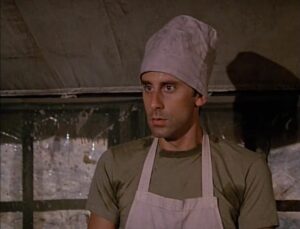
Igor Straminsky: The Chef Nobody Wanted But Everyone Needed
Jeff Maxwell’s portrayal of Igor Straminsky, the company cook, provided some of MAS*H’s most consistent comic relief while simultaneously highlighting the mundane struggles of military life. Igor wasn’t a surgeon or a commanding officer; he was an ordinary guy doing an unappreciated job under impossible circumstances. His terrible cooking became a running joke throughout the series, with characters constantly complaining about mystery meat and unidentifiable substances passing for food. Yet beneath the humor lay a deeper truth about military service—not everyone’s contribution is glamorous, but every role matters. Igor represented the thousands of support personnel who kept military operations functioning, people whose names never made headlines but whose work was essential. Maxwell brought earnest sincerity to Igor, making him lovable despite his culinary crimes. The character’s occasional moments of surprising competence or unexpected wisdom reminded viewers that everyone at the 4077th was doing their best in an impossible situation. Igor’s presence also allowed the show to explore themes of class and status within military hierarchy, as he navigated his position at the bottom of the camp’s social structure with resigned good humor. His interactions with the surgeons and officers humanized both sides, showing mutual respect despite rank differences.
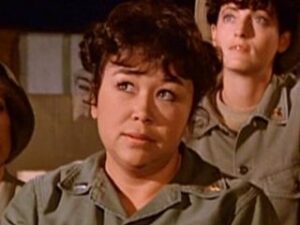
Nurse Kellye Yamato: Breaking Barriers with Grace and Strength
Kellye Nakahara’s portrayal of Nurse Kellye Yamato holds special significance as one of the few regular Asian-American characters on 1970s and 1980s television. Initially appearing as a background nurse, Kellye gradually received more screen time and character development, ultimately becoming an essential part of the 4077th family. Her most memorable episode, “Hey, Look Me Over,” directly confronted issues of invisibility and objectification. When Hawkeye thoughtlessly overlooks Kellye while pursuing other nurses, she delivers a powerful confrontation that forces both him and viewers to examine their own biases. This episode showcased the show’s willingness to address uncomfortable truths about how people are valued and seen. Nakahara brought warmth, intelligence, and quiet strength to Kellye, creating a character who was professionally competent, personally complex, and culturally significant. Kellye’s presence in the operating room during countless surgeries demonstrated the crucial role nurses played in saving lives, even when they weren’t featured in the storyline. Her friendships with other characters, particularly her close bond with Nurse Bigelow, showed the support networks that helped people survive the psychological toll of war. Kellye represented dignity in the face of being overlooked, and her character’s evolution throughout the series reflected growing awareness of representation and inclusion in television storytelling.
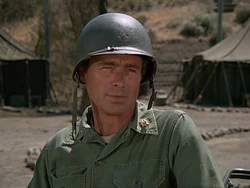
Colonel Sam Flagg: The Paranoid Spymaster Who Embodied Cold War Absurdity
Edward Winter’s portrayal of the CIA operative Colonel Sam Flagg brought a darker, more satirical edge to MASH’s comedy. Flagg was paranoia personified—a man who saw communist conspiracies everywhere, trusted no one, and employed increasingly ridiculous disguises and cover stories. His appearances were masterclasses in physical comedy and absurdist humor, yet they carried serious undertones about government overreach and the dangerous extremes of anti-communist fervor during the Cold War era. Flagg’s willingness to sacrifice individual lives for perceived national security interests made him genuinely menacing despite his comedic presentation. Winter played Flagg with manic intensity, creating a character who was simultaneously hilarious and frightening. His interrogations of innocent people and his complete disregard for human dignity served as sharp criticism of intelligence agencies’ excesses. The running gag of Flagg’s terrible disguises and obvious surveillance tactics mocked the spy thriller genre while highlighting the reality that zealous pursuit of enemies can create more problems than it solves. His confrontations with Hawkeye were particularly memorable, pitting cynical humanism against ideological fanaticism. Flagg represented the dangerous intersection of power, paranoia, and nationalism, wrapped in a package that was too absurd to dismiss but too threatening to ignore. His character demonstrated MASH’s ability to use comedy as a vehicle for pointed political commentary.
These four supporting characters exemplify why MAS*H remains exceptional television decades after its finale. They weren’t merely background decoration but fully realized individuals whose presence enriched every episode they appeared in, creating a world that felt authentic, complex, and deeply human.