When MASH premiered in 1972, nobody could have predicted it would become more than just a successful show—it would become a cultural phenomenon that redefined what television could be. Over eleven seasons, this Korean War comedy-drama didn’t just entertain millions; it changed the medium itself, proving that TV could be smart, moving, and socially relevant while still being commercially successful. The series finale drew 125 million viewers, a record that still stands for scripted television. But MASH’s indispensability goes far beyond ratings. It shaped how we think about war, comedy, drama, and the very possibilities of serialized storytelling. Let’s explore ten reasons why MAS*H earned its place as one of the most essential shows in American television history.
1. It Proved Comedy and Drama Could Coexist
Before MASH, television maintained strict genre boundaries. Shows were either comedies or dramas, never both. MASH shattered that wall, creating what we now call “dramedy” but was revolutionary at the time. The show could make you laugh at Hawkeye’s pranks one moment and devastate you with a soldier’s death the next. This tonal complexity wasn’t inconsistent—it was authentic. The series demonstrated that life doesn’t separate into neat categories, that humor and heartbreak coexist, especially in extreme circumstances. By proving audiences could handle sophisticated emotional shifts within a single episode, MASH opened doors for countless shows that followed, from “The Wonder Years” to “Scrubs” to “Orange Is the New Black.” Without MASH’s success in blending genres, modern television’s tonal complexity might never have developed.
2. It Made War Criticism Mainstream During a Controversial Era
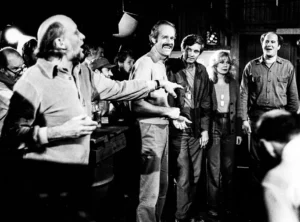
MASH premiered while the Vietnam War still raged, and though set in Korea, everyone understood what the show was really criticizing. Its anti-war stance wasn’t subtle—it portrayed military bureaucracy as absurd, combat as senseless, and heroic war narratives as dangerous lies. What made this remarkable was that MASH achieved this while becoming one of America’s most-watched shows. Network television had never successfully broadcast such pointed political criticism to such massive audiences. The show proved that Americans were ready for complex conversations about war, that patriotism could include questioning military actions, and that supporting soldiers didn’t require supporting war itself. This distinction—honoring individuals while criticizing policy—became crucial to American political discourse and remains relevant today.
3. It Elevated Television Writing to an Art Form
MASH’s writing set new standards for television excellence. The scripts featured literary quality rare in any medium—complex symbolism, sophisticated wordplay, meaningful character development, and thematic depth that rewarded close attention. Episodes like “Point of View” (shot from a patient’s perspective) and “Dreams” (exploring characters’ subconscious fears) demonstrated experimental storytelling ambition previously reserved for art films. The show’s writers included Larry Gelbart, one of comedy’s greatest minds, and the writers’ room became legendary for its intellectual firepower. MASH proved that television writing could attract and showcase serious talent, that the medium deserved respect as a literary form, and that audiences would embrace sophisticated narratives if given the chance. This elevation of TV writing standards influenced everything from “The West Wing” to “Breaking Bad.”
4. It Featured Television’s First Truly Evolved Female Character
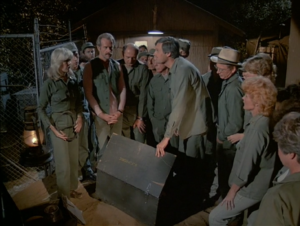
Margaret Houlihan’s eleven-season transformation from “Hot Lips” stereotype to complex, three-dimensional character represented groundbreaking female representation. The show allowed Margaret to grow, make mistakes, challenge sexism, claim her authority, and become fully human in ways television rarely permitted women. Unlike shows that kept female characters static or replaced them when audiences tired of their initial characterization, MAS*H committed to Margaret’s evolution. Loretta Swit’s Emmy-winning performance captured a woman navigating military sexism while refusing to be victimized by it, demanding professional respect while remaining emotionally open, and growing into confidence without losing vulnerability. Margaret’s arc showed that female characters could be as complex and changeable as male leads, establishing a template for the strong, flawed, evolving women who would populate quality television in decades to come.
5. It Pioneered Long-Form Character Development
Before MASH, television characters largely remained static—they ended each episode essentially unchanged from how they began. MASH pioneered serialized character development where experiences accumulated, relationships deepened, and people genuinely evolved over years. Hawkeye’s increasing psychological damage from sustained trauma, B.J.’s growing cynicism balanced against his determination to maintain his morality, and Winchester’s slow revelation of depth beneath his aristocratic facade demonstrated television’s potential for long-form storytelling. The show proved that audiences would invest in characters’ journeys across multiple seasons, that continuity enriched rather than confused viewership, and that television could tell stories of genuine human growth. This innovation laid groundwork for the serialized character-driven dramas that would define prestige television’s golden age
6. It Addressed Mental Health Decades Before It Was Mainstream
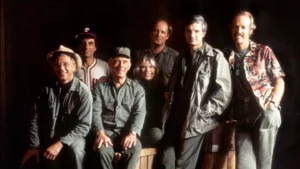
MASH normalized discussions of mental health, therapy, PTSD, and psychological trauma when American culture still stigmatized these topics heavily. The recurring character of psychiatrist Sidney Freedman, portrayed as wise, compassionate, and essential rather than a punchline, was revolutionary. Episodes dealing with Hawkeye’s breakdowns, Radar’s anxiety, Klinger’s desperate attempts to escape war’s madness through Section 8 discharge, and various characters’ trauma responses treated mental health with seriousness and empathy. The show made clear that psychological wounds were as real as physical ones, that seeking help demonstrated strength not weakness, and that trauma was a natural response to unnatural circumstances. This progressive approach to mental health helped begin cultural conversations that continue today, making MASH not just entertainment but genuine public service.
7. It Demonstrated That Ensemble Casts Could Work
MASH perfected the ensemble cast structure where multiple characters of equal importance shared storytelling space. While Hawkeye was nominally the lead, the show gave substantial development to a dozen regular characters, proving that audiences could track multiple storylines and invest in numerous character arcs simultaneously. The genius lay in creating distinct personalities who complemented rather than competed with each other. Each character brought unique perspectives, skills, and comedic or dramatic potential. This ensemble approach influenced everything from “Cheers” to “ER” to “Lost,” establishing the template for complex multi-character narratives. MASH showed that television’s episodic format was perfect for rotating character focus, that depth of cast could create richness of world, and that viewers craved the complexity of multiple perspectives.
8. It Proved Television Could Tackle Social Issues Without Preaching
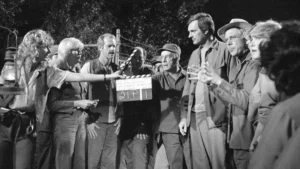
MASH addressed racism, sexism, class inequality, homophobia, and institutional injustice, but its social commentary emerged through character and story rather than sermonizing. When the show dealt with racism, it showed characters confronting their own prejudices through experience rather than lectures. When addressing sexism, it demonstrated Margaret facing discrimination rather than having characters explain why sexism was bad. This show-don’t-tell approach made MASH’s progressive politics more persuasive than any lecture could be. The series proved that entertainment could educate without condescending, that audiences were smart enough to grasp implications without heavy-handed messaging, and that social relevance and compelling storytelling weren’t mutually exclusive. This balance influenced generations of socially conscious television.
9. It Survived Major Cast Changes While Maintaining Quality
When McLean Stevenson, Wayne Rogers, and Larry Linville left the series, conventional wisdom said MASH was doomed. Instead, the show seamlessly integrated new characters—Colonel Potter, B.J. Hunnicutt, and Charles Winchester—who weren’t just replacements but fully realized individuals who changed the show’s dynamic in productive ways. This successful navigation of major cast turnover proved that strong premise, quality writing, and solid ensemble could survive losing key actors. MASH demonstrated that television series could evolve rather than stagnate, that change could refresh rather than ruin, and that audiences would accept new cast members if they were written with care and performed with skill. This resilience became a model for long-running series facing inevitable cast transitions.
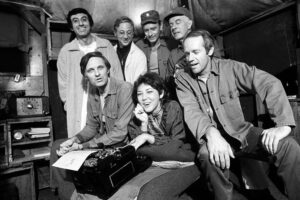
10. Its Series Finale Became a Shared National Experience
“Goodbye, Farewell and Amen” drew 125 million viewers, making it the most-watched television episode in American history until the 2010s. But beyond ratings, the finale represented something profound—a shared national moment when Americans collectively experienced the same story, felt the same emotions, and participated in the same cultural event. In an increasingly fragmented media landscape, MAS*H’s finale was among the last times American television could create such unity. The episode itself was a masterpiece—two and a half hours of closure, growth, and genuine emotion that honored eleven years of storytelling. Its success proved that audiences cared deeply about these characters, that quality storytelling could achieve cultural penetration that transcended entertainment, and that television at its best could bring a nation together.
The Indispensable Legacy
MASH’s indispensability to American television isn’t about nostalgia—it’s about innovation, courage, and excellence that changed what the medium could be. The show proved that television could be smart without being elitist, funny without being frivolous, and popular without being pandering. It demonstrated that audiences were far more sophisticated than advertisers and network executives believed. MASH opened doors, raised standards, and showed that television could be art without ceasing to be entertainment. Every complex drama, every thoughtful comedy, every show that blends tones or develops characters across seasons owes a debt to MAS*H. It didn’t just entertain America—it helped define what American television could become.