The Untold Story: How Carroll O’Connor Became Sally Struthers’ Second Father
Television history is filled with memorable on-screen relationships, but few compare to the genuine bond that developed between Sally Struthers and Carroll O’Connor during their time on “All in the Family.” While millions of viewers watched Archie Bunker affectionately call Gloria his “little girl” every week, what happened behind the cameras was even more touching. Struthers recently opened up about how O’Connor stepped into a void in her life that she thought could never be filled—becoming the father she desperately needed after tragedy struck her own family.
The Timing That Changed Everything
When Sally Struthers auditioned for Norman Lear in 1970, she was carrying an invisible weight that most people around her didn’t know about. Just two years earlier, in 1968, her biological father had passed away. The grief was still raw, the loss still fresh. She was a young actress trying to make her way in Hollywood while dealing with a heartbreak that never quite goes away—the loss of a parent.
“I was still feeling bad and fatherless when I got this show,” Struthers revealed in a candid interview with Closer Weekly. What she didn’t realize was that stepping onto the set of “All in the Family” would introduce her to someone who would help heal that wound in ways she never expected. Carroll O’Connor, the man who would become America’s most famous television father, was about to become her father in real life too.
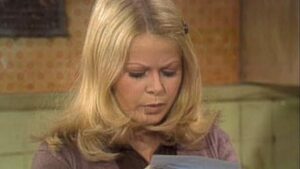
The timing was nothing short of extraordinary. At the exact moment when Struthers needed guidance, support, and paternal love, the universe placed her opposite an actor who possessed all these qualities in abundance. But O’Connor wasn’t just acting—he genuinely cared about the young actress who played his daughter, and that authentic affection translated into something beautiful both on and off screen.
More Than Just Co-Stars: A Real Family Forms
The chemistry between Struthers and O’Connor wasn’t manufactured for the cameras. From their very first scenes together, something magical happened. Unlike the two previous pilot attempts that featured different actors as Mike and Gloria, Struthers and Rob Reiner brought an authentic energy that perfectly complemented the established dynamic between O’Connor and Jean Stapleton.
“We got along as beautifully as anyone could have ever hoped,” Struthers reminisced. “There wasn’t any competition between us. We all revered one another because it was the perfect casting.” But her relationship with O’Connor transcended professional admiration. It became something deeper, more personal, more familial.
Carroll O’Connor and his wife Nancy opened their hearts and home to Struthers in ways that went far beyond typical co-star courtesy. They treated her like family—because to them, she was family. “Carroll and his wife, Nancy, turned out to be as parental with me as he was in the show,” Struthers explained, her words conveying the depth of gratitude she still feels decades later.
The Little Things That Meant Everything
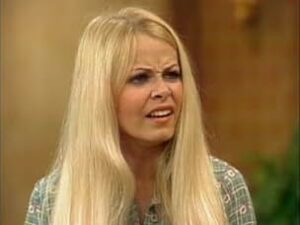
What made O’Connor such an effective father figure wasn’t grand gestures or dramatic moments. It was the accumulation of countless small acts of love and care that made all the difference. Carroll gave Struthers advice when she needed direction, offering the kind of wisdom that only comes from someone who genuinely wants to see you succeed. He laughed at her antics, encouraging her playful spirit and comedic talents. He hugged her constantly, providing the physical affection and reassurance that every young person needs, especially one navigating the treacherous waters of Hollywood stardom.
Perhaps most remarkably, O’Connor played matchmaker for Struthers. He introduced her to William Rader, who would become her husband. This gesture demonstrates the level of involvement O’Connor had in Struthers’ personal life—he wasn’t just concerned about her professional development; he wanted to see her happy in every aspect of her life.
“So I gained a father again by doing that show,” Struthers said, summarizing in one powerful sentence what “All in the Family” truly meant to her. It wasn’t just a career-defining role or a ticket to fame—it was where she found family again.
The Man Behind Archie Bunker
The beautiful irony of this relationship is how different Carroll O’Connor was from the character he portrayed. While Archie Bunker was an unapologetic bigot whose ignorance provided comic fodder, O’Connor himself was thoughtful, kind, and emotionally intelligent. He understood that Struthers needed more than just a co-star or a mentor—she needed someone to fill a role that had been tragically vacated.
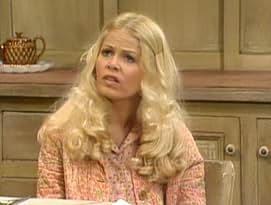
When “All in the Family” premiered in 1971, O’Connor was relatively unknown. Norman Lear took a chance on him to play this unconventional lead character, and the gamble paid off spectacularly. The show initially faced a rocky start, with audiences unsure how to receive a protagonist who was so deeply flawed. But eventually, viewers embraced Archie Bunker, and the series ranked number one for five consecutive years, becoming a cultural phenomenon that tackled social issues with unprecedented boldness.
Throughout all this success, O’Connor never let fame change his fundamental decency. He remained the warm, paternal figure that Struthers needed, even as he became one of television’s biggest stars.
A Bond That Transcended the Show’s End
When “All in the Family” concluded its remarkable run in 1979, after eight groundbreaking seasons, the cast faced the emotional challenge of saying goodbye. For Struthers, this wasn’t just about leaving a job—it was about her family unit disbanding.
“It was emotional, but it wasn’t sad,” she reflected, though her subsequent comments reveal the complexity of those feelings. “I didn’t have any idea at the time how much I would miss it.” The full weight of what she had lost only became apparent with time and distance.
Years later, Struthers admits she can barely watch reruns of the show. “Whenever I see an episode on TV now, I stop for a second. As soon as I see Carroll or Jean, I get so sad that I have to change the channel.” This emotional response speaks volumes about the genuine relationships that were formed. These weren’t just colleagues working together—they were family, and watching them on screen after their passing brings back the pain of loss.
Carroll O’Connor continued working until his health declined in his later years. He battled diabetes, underwent coronary bypass surgery, and had a toe amputated due to circulatory problems. Yet he remained active and engaged with his craft. His final screen appearance came in the 2000 romantic comedy “Return to Me.” On June 21, 2001, O’Connor died of a heart attack at age seventy-six, with his beloved wife Nancy by his side.
The Legacy Lives On
Today, Sally Struthers speaks about her time on “All in the Family” with immense pride and gratitude. She understands that she was part of something historic, something that transcended typical television entertainment. The show broke barriers, challenged social norms, and sparked important conversations across America.
But for Struthers personally, the show’s greatest gift wasn’t fame or critical acclaim—it was the father figure she gained in Carroll O’Connor. In an industry often characterized by superficial relationships and cutthroat competition, their bond represents something rare and precious: genuine love, mentorship, and family connection that lasted a lifetime.
Sally Struthers’ story reminds us that sometimes our chosen family can be just as meaningful as our biological family. Carroll O’Connor saw a young woman who needed guidance and support, and he stepped into that role with grace, generosity, and authentic love. Their relationship enriched not only their performances on screen but also their lives off screen, creating a legacy of kindness that continues to inspire us today.