You watched MASH years ago, maybe catching reruns on late-night television or binging episodes when they first hit streaming platforms. You remember laughing at Hawkeye’s antics and crying during the finale. But here’s the truth: MASH deserves another watch right now, and not just for nostalgia’s sake. This show that aired its final episode over forty years ago has somehow become more relevant, more urgent, and more emotionally resonant than ever before. These five reasons explain why returning to the 4077th might be exactly what you need in 2025.
Reason One: The Show’s Commentary on Endless War Feels Painfully Current
When MASH premiered in 1972, the Korean War setting provided clever cover for commentary on Vietnam, which was still raging. The show’s writers used historical distance to critique ongoing conflict in ways network censors might have blocked if addressed directly. But now, decades into the war on terror and with global conflicts continuing to erupt, MASH’s observations about perpetual warfare feel almost prophetic.
Episode after episode explores how endless conflict becomes normalized, how people adapt to horror until it feels routine, and how those in power keep wars going while regular people suffer the consequences. The scene where Colonel Potter notes he’s fought in three wars and wonders when humanity will learn feels even more devastating now than when it first aired. We haven’t learned. We’re still sending young people to die in conflicts most civilians barely think about.
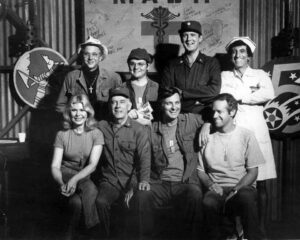
The show’s refusal to glorify war or present easy answers about patriotism and duty speaks to contemporary debates about military intervention and the true cost of maintaining global military presence. Watching these doctors struggle with the contradiction of saving lives in a system designed to destroy them mirrors modern healthcare workers’ trauma and moral injury. MAS*H understood that war doesn’t end when soldiers come home; it lives in their nightmares forever. That truth hasn’t changed, even if the wars have different names.
Reason Two: The Character Development Remains Television’s Gold Standard
Modern television has embraced serialized storytelling and character arcs, but even our best contemporary shows rarely match MAS*H’s patient, nuanced character development. Over eleven seasons, we watch Margaret Houlihan transform from one-dimensional antagonist to one of TV’s most complex female characters. Hawkeye’s psychological journey from irreverent joker to deeply damaged man barely holding himself together unfolds gradually, respecting both the character and audience’s intelligence.
What makes rewatching so rewarding is catching the subtle groundwork laid in early seasons that pays off years later. Charles Winchester’s first appearance hints at the vulnerability and hidden compassion that later episodes fully explore. Father Mulcahy’s quiet crisis of faith builds slowly across multiple seasons before erupting in his devastating breakdown. These aren’t sudden character changes for drama’s sake; they’re realistic portrayals of how trauma and time change people.
Contemporary television often feels rushed, with streaming platforms demanding immediate hooks and quick resolutions. MAS*H took its time, trusting viewers to invest in these characters for the long haul. Rewatching allows you to appreciate the craftsmanship involved in building such fully realized people. You’ll notice moments in season three that set up payoffs in season eight, dialogue that seems throwaway until you understand where the character ends up. It’s storytelling that rewards attention and patience.

Reason Three: The Comedy Still Works While the Drama Cuts Deeper
Great comedy ages well because it’s rooted in truth rather than topical references. MAS*H’s humor—the wordplay, the character-based jokes, the absurdist situations arising from military bureaucracy—remains genuinely funny decades later. Hawkeye’s one-liners still land, Klinger’s schemes still delight, and the pranks war between the Swamp and the rest of camp still generate laughs. But what you might not remember is how the comedy serves the drama rather than undercutting it.
Rewatching as an adult, especially if you first encountered the show younger, reveals how the humor functions as survival mechanism for people in impossible situations. The jokes aren’t just entertainment; they’re how these characters maintain sanity while surrounded by death and suffering. The moments when the comedy stops hit harder because you understand what those silences mean—the situation has become too terrible even for deflection.
The show’s tonal shifts, moving from broad comedy to gut-wrenching drama within single episodes, feel more sophisticated upon rewatch. You appreciate how the writers earned the emotional moments by establishing the characters through humor first. When Hawkeye breaks down, it devastates because we’ve watched him joke his way through trauma for years. The finale’s emotional impact works because we’ve laughed with these people for over 250 episodes before watching them say goodbye.

Reason Four: The Ensemble Cast Chemistry Became Genuine Family
By the show’s end, many cast members had worked together for over a decade. That history translates to screen chemistry that cannot be faked or forced. Watching later seasons, you’re not just seeing actors playing characters; you’re watching people who genuinely know and care about each other bringing that authentic connection to their performances. The farewell scenes in the finale carry extra weight because the actors were also saying goodbye to a significant portion of their own lives.
Rewatching allows you to track how this ensemble chemistry developed. Early seasons show talented actors finding their rhythms with each other. By middle seasons, they’ve become so attuned that they can communicate volumes with a glance. Late episodes feature performances so natural and unforced that you forget you’re watching a scripted television show. The shorthand between Hawkeye and BJ, the complicated affection between Hawkeye and Margaret, Potter’s paternal relationship with everyone—these dynamics feel real because they were built over years of collaboration.
Contemporary television rarely allows this kind of ensemble development. Shows get canceled quickly, or actors move on to other projects, or creative differences cause exits. MAS*H’s core cast stayed remarkably stable, allowing relationships to deepen naturally. Even when major cast changes occurred—McLean Stevenson and Wayne Rogers leaving, Harry Morgan and Mike Farrell joining—the show handled transitions thoughtfully, giving new dynamics time to develop. Rewatching highlights how rare and special this ensemble chemistry truly was.
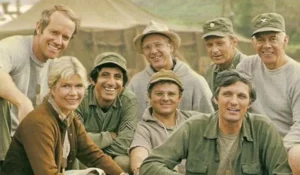
Reason Five: The Show Offers Hope Without Naive Optimism
Perhaps what makes MAS*H most essential viewing right now is its particular brand of hope. This isn’t optimistic television that pretends everything works out or that good always triumphs. The show acknowledges that war is hell, that bureaucracy is often idiotic, that suffering frequently seems pointless. But within that honest darkness, it finds moments of genuine human connection, compassion, and resilience that feel earned rather than manipulative.
The doctors at the 4077th cannot stop the war or save everyone. Many episodes end with quiet tragedy rather than triumph. But they keep showing up, keep trying, keep caring about patients and each other despite overwhelming odds. That persistence in the face of futility feels remarkably relevant for anyone struggling with contemporary challenges that seem insurmountable. MAS*H suggests that maintaining your humanity and connections in difficult circumstances is itself a form of victory.
Rewatching when you’re dealing with your own struggles—whether personal trauma, professional burnout, or existential despair about the state of the world—MAS*H offers something rare: acknowledgment that things are genuinely hard, coupled with examples of people who kept going anyway. It doesn’t offer easy answers or false comfort. It shows flawed people doing their best in terrible situations, sometimes succeeding and sometimes failing, but always remaining fundamentally human. That’s the kind of hope that actually helps.
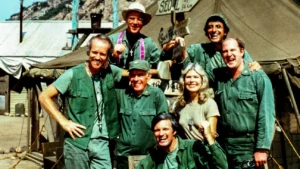
The Perfect Time for a Rewatch
MASH isn’t just a nostalgic trip to television’s past. It’s a masterfully crafted drama that speaks directly to contemporary concerns while showcasing storytelling excellence that remains unsurpassed. Whether you’re seeking comfort, insight into how we process trauma and maintain hope, or simply want to experience some of television’s finest writing and acting, now is the perfect time to return to the 4077th. You’ll laugh, you’ll cry, and you’ll remember why this show has endured for over five decades. Some television becomes dated; the best television becomes timeless. MASH is definitively the latter.