Charles Emerson Winchester III arrived at the 4077th in season six as a replacement for Frank Burns, and fans immediately wondered if this Boston Brahmin snob would be just another antagonist. But over five seasons, Charles evolved into one of MAS*H’s most complex and beloved characters. His aristocratic demeanor masked a brilliant mind, hidden compassion, and surprising vulnerability. These three questions about Charles Winchester reveal why he represents some of the finest character development in television history and why David Ogden Stiers’ portrayal deserves far more recognition than it typically receives.
Question One: Why Did Charles Choose to Stay in the Army Despite His Wealth and Connections?
This question haunts every episode featuring Charles. Unlike other characters who were drafted or joined out of idealism, Charles came from a family with enough influence to keep him stateside, probably in a prestigious position far from danger. So why did this man who loved fine wine, classical music, and creature comforts subject himself to the 4077th’s primitive conditions?
The answer emerges gradually through carefully written scenes that peel back Charles’ layers. His relationship with his sister Honoria provides crucial insight—she has a developmental disability, and Charles fiercely protects her from a society that would dismiss her. This reveals his core belief that privilege carries responsibility, not just entitlement. Despite his snobbish exterior, Charles possesses a moral code demanding he use his gifts where they’re needed most, even when it means personal sacrifice.
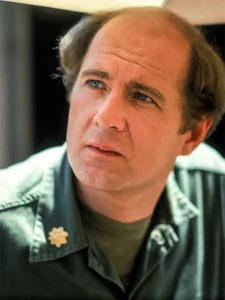
Several episodes showcase Charles performing surgical miracles that lesser doctors couldn’t attempt. His skills genuinely save lives that would otherwise be lost. He knows this, and despite his complaints about the accommodations and company, he cannot abandon patients who need his exceptional abilities. It’s a quiet form of heroism that his obnoxious mannerisms deliberately obscure. Charles uses his arrogance as armor, protecting himself from acknowledging how much he’s grown to care about his work and his colleagues.
The Christmas episode where Charles secretly donates chocolates to a Korean orphanage, then furiously demands no one speak of it, perfectly captures this contradiction. He’s terrified of being seen as soft or sentimental, yet his actions consistently reveal deep compassion. His wealth could have bought him comfort, but his conscience wouldn’t let him take the easy path. That internal conflict makes him endlessly fascinating.
Question Two: How Did Charles’ Relationship With Hawkeye and BJ Evolve From Antagonism to Respect?
Initially, Charles treated Hawkeye and BJ with barely concealed contempt, viewing their casual approach to military protocol as unprofessional and their jokes as juvenile. They, in turn, saw him as a pompous elitist who needed constant deflation. The Swamp became a war zone of pranks and insults that seemed destined to continue indefinitely. But something remarkable happened—they began recognizing each other’s depth.
The turning point came when circumstances forced them to depend on each other’s skills. In surgery, Charles never let personal feelings compromise patient care, and Hawkeye and BJ’s respect for his surgical genius was genuine. They might mock his pretensions, but they wanted him beside them when attempting complicated procedures. This professional respect gradually seeped into personal regard.
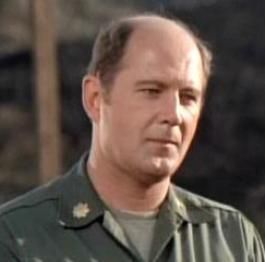
Charles started appreciating Hawkeye’s emotional intelligence and BJ’s quiet integrity. They recognized that his cultural snobbery masked insecurity about measuring up to his family’s impossible standards. The episode where Charles admits his father never believed he was good enough reveals the wounds driving his constant need to prove superiority. Hawkeye’s surprisingly gentle response—acknowledging Charles’ genuine excellence without the usual mockery—marks a shift in their relationship from antagonists to something approaching friendship.
They never became close in conventional terms. Charles remained pompous, and Hawkeye and BJ continued their pranks. But underneath the surface antagonism developed genuine affection and loyalty. When Charles faced his darkest moments, they stood by him. When they needed someone who could execute impossibly delicate surgery, they trusted him completely. It’s a more realistic portrayal of adult male friendship than television usually offers—complicated, sometimes abrasive, but fundamentally solid.
Question Three: What Made Charles’ Character Arc More Successful Than Frank Burns’ Ever Was?
Frank Burns served as comic relief and antagonist for five seasons, but his character remained essentially static—a incompetent, hypocritical buffoon who never grew or changed. Charles could have filled the same role, another pompous antagonist for Hawkeye to mock. Instead, the writers gave him dimension that Frank never possessed, and David Ogden Stiers brought nuance that elevated every scene he inhabited.
Charles was genuinely competent, eliminating the easy comedy of incompetence. When he clashed with Hawkeye, both had legitimate points, creating moral complexity rather than simple good-versus-evil dynamics. Frank was wrong and ridiculous; Charles was often right but insufferable about it. That’s much harder to write and infinitely more interesting to watch.
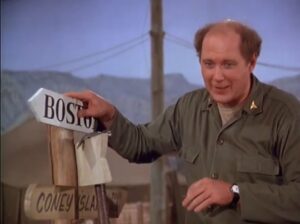
The show allowed Charles moments of genuine vulnerability that revealed his humanity. His stutter when stressed, his devotion to his sister, his struggle with his father’s expectations—these details created a three-dimensional person rather than a caricature. The episode where he befriends a Chinese musician and then witnesses the man’s hands being mutilated provides Charles his most devastating moment. His anguished cry that the destruction of artistic beauty is the true tragedy of war shows how profoundly the experience has affected him.
Frank Burns left the show with no one mourning his departure. Charles’ goodbye in the series finale carries genuine emotional weight. Potter shaking his hand with real respect, Margaret’s sincere farewell, even Hawkeye’s acknowledgment that the Swamp won’t be the same—these moments confirm that Charles earned their regard despite, or perhaps because of, how difficult he could be. His character arc from insufferable snob to valued colleague represents character development at its finest.
The Winchester Legacy
Charles Emerson Winchester III could have been a forgettable replacement character, a placeholder until the series ended. Instead, he became integral to MAS*H’s final seasons, adding sophistication and complexity that enriched the show’s exploration of how war affects different types of people. His struggles with class, family expectations, professional pride, and growing emotional connections provided storylines that honored the audience’s intelligence.
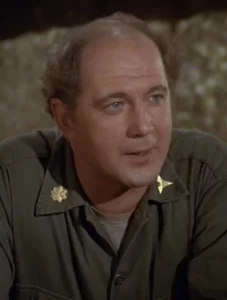
David Ogden Stiers brought theater-trained precision to every line reading, finding layers in dialogue that lesser actors would have played one-dimensionally. His Charles was simultaneously ridiculous and dignified, insufferable and sympathetic, isolated and deeply connected to those around him. It’s a masterclass in character acting that deserves recognition alongside the more celebrated performances in MAS*H’s legendary ensemble.
These three questions about Charles reveal why great television creates characters who resist simple categorization, who challenge both other characters and audiences to see beyond surface impressions. Charles Winchester taught us that aristocratic snobbery can coexist with genuine compassion, that privilege doesn’t preclude sacrifice, and that the most obnoxious people sometimes possess the deepest hearts. That’s a legacy worth celebrating.