While Hawkeye, BJ, and the other surgeons often grabbed the spotlight in MAS*H, the nurses of the 4077th were the unsung heroes who kept everything running. They worked brutal hours, faced the same horrors, and dealt with constant advances from frustrated doctors while maintaining professionalism and compassion. From Margaret “Hot Lips” Houlihan’s remarkable character evolution to the quiet strength of Lieutenant Kellye, these ten scenes showcase why the nurses deserved far more recognition than television typically gave them.
Margaret Houlihan’s Breakdown After Her Divorce
Major Margaret Houlihan spent years building an impenetrable fortress around her emotions, playing the role of strict disciplinarian and army regulation enforcer. When her marriage to Lieutenant Colonel Donald Penobscott collapsed, so did everything she’d constructed. The scene where she sits in Hawkeye’s tent, makeup running down her face, sobbing about her failed marriage while clutching a bottle of booze, remains one of the series’ most powerful moments. What makes it extraordinary is Hawkeye’s response—he doesn’t joke, doesn’t make advances, simply listens and offers genuine comfort. This scene transformed Margaret from a one-dimensional antagonist into a fully realized woman carrying wounds as deep as anyone else’s. Loretta Swit’s performance here earned her one of her two Emmy Awards, and deservedly so.
The Nurses Revolt Against Unfair Treatment
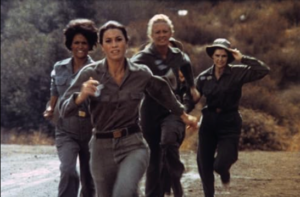
In one of MASH’s most overtly feminist episodes, the nurses organize a protest against the double standards they face daily. While male personnel enjoy relative freedom and privileges, the nurses endure stricter rules, worse accommodations, and constant harassment. When they finally refuse to participate in anything beyond their medical duties, the camp descends into chaos. The doctors realize how much invisible labor the nurses performed—emotional support, organization, maintaining morale—beyond their official responsibilities. This episode aired in the 1970s but addressed issues that remain relevant today. Watching the male doctors squirm as they confront their own privilege and dependence provides both comedic gold and social commentary that MASH executed better than perhaps any show before or since.
Nurse Kellye’s Confrontation With Hawkeye
For years, Nurse Kellye Yamato existed in the background, quietly competent but rarely acknowledged. Then came the episode where she finally explodes at Hawkeye for his constant pursuit of other nurses while treating her as invisible. Her passionate speech about being overlooked because she doesn’t fit his narrow definition of attractive hits Hawkeye like a physical blow. The scene forces both Hawkeye and the audience to confront how the show itself had marginalized this character. Actress Kellye Nakahara brought such authenticity to this moment that it elevated her from background player to beloved ensemble member. Hawkeye’s genuine apology and their subsequent friendship added depth to both characters.
Margaret and Hawkeye’s Surgery Partnership
When circumstances force Margaret and Hawkeye to perform a delicate surgery together without additional support, their combative relationship transforms into mutual respect. The scene showcases Margaret’s exceptional surgical skills—she’s not just an administrative nurse but a talented medical professional who can match Hawkeye’s expertise. Their wordless communication during the procedure, anticipating each other’s needs without speaking, reveals how much these two understand each other despite their constant bickering. This scene was crucial in establishing Margaret as Hawkeye’s equal rather than his antagonist, fundamentally shifting their dynamic for the remaining seasons.
The Nurses’ Tent Confidential Conversations
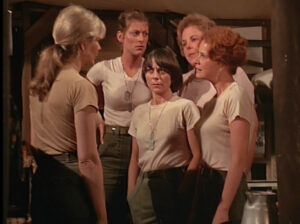
Some of MAS*H’s most honest moments happened in the nurses’ quarters, where exhausted women decompressed after impossible shifts. These scenes showed vulnerability that the male characters rarely expressed—crying over patients they couldn’t save, admitting fear during shelling, discussing the psychological toll of witnessing such suffering. One particularly moving scene features the nurses discussing whether they can ever return to normal life after seeing what they’ve seen. The quiet acknowledgment that they’re forever changed, that no one back home will understand, captures the isolation that combat creates even after returning from war.
Margaret Taking Command During a Crisis
When an emergency situation leaves Margaret as the ranking officer, she steps into command with absolute authority. The scene where she issues orders with military precision while simultaneously organizing triage demonstrates her exceptional leadership abilities. Male personnel who’d previously dismissed or harassed her suddenly see her clearly—she’s not just competent; she’s extraordinary. This episode showcased how sexism had prevented everyone from recognizing her true capabilities. Watching her thrive under pressure while earning genuine respect from the doctors created one of the series’ most satisfying character moments.
Nurse Baker’s Arrival and Culture Shock
When fresh-faced Lieutenant Baker arrives straight from the States, her innocence and idealism provide heartbreaking contrast to the exhausted cynicism of the veteran nurses. The scene where she witnesses her first mass casualty situation—the blood, the screaming, the impossible decisions—and completely breaks down reminds viewers why everyone at the 4077th develops emotional armor. The experienced nurses’ gentle guidance as they help her survive her first days captures the sisterhood that develops among women facing trauma together. We watch her transform from naive girl to hardened professional within days, a compression of innocence lost that war creates.
Margaret’s Defense of Her Nurses
When a visiting colonel criticizes the nurses’ performance, Margaret unleashes a fierce defense that showcases her evolution from by-the-book disciplinarian to protective leader. She details every sacrifice her nurses make, every regulation they follow while providing compassionate care under impossible conditions, and demands the respect they deserve. The scene crystallizes Margaret’s transformation—she’s no longer seeking approval from male authority figures but standing firm in her own convictions. Her nurses’ faces as they witness their chief fighting for them reveal the deep loyalty this creates. It’s leadership at its finest.
The Goodbye Traditions Between Rotating Nurses
Throughout MAS*H’s run, nurses rotated home or to other units, creating constant goodbyes. The show handled these departures with touching rituals—farewell parties, shared memories, promises to stay in touch that everyone knows probably won’t survive the return to regular life. These scenes acknowledge that wartime friendships, forged in intensity and trauma, rarely translate to civilian relationships. The bittersweetness of these partings, the genuine love mixed with relief at someone escaping, captures the complex emotions that define wartime bonds.
Margaret’s Final Emotional Farewell to the Nurses
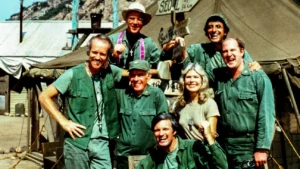
In the series finale, Margaret’s goodbye to her nurses carries particular weight. She’s spent eleven years leading these women through hell, and her farewell speech acknowledges both what they’ve accomplished and what it cost them. There are no platitudes about glory or service, just honest recognition of shared survival. When they present her with a gift—something simple but meaningful—the tears flowing aren’t scripted sentiment but genuine emotion from actors who’d worked together for over a decade. It’s a perfect encapsulation of the bonds between military nurses that the show portrayed with such respect and authenticity.
The Lasting Impact
MAS*H’s portrayal of military nurses was groundbreaking for television. While early seasons sometimes reduced them to romantic interests or comic foils, the show evolved to present these women as complex professionals deserving respect and recognition. The nurses’ scenes provided essential perspective on how war affects everyone, not just combatants or surgeons. They reminded audiences that heroism comes in many forms, often quiet and unacknowledged. These ten scenes represent television’s growing understanding that women’s war stories matter just as much as men’s, and that their courage deserves equal celebration.