The Father Figure the 4077th Needed
When Colonel Sherman T. Potter rode into the 4077th on his horse Sophie, replacing the beloved but bumbling Henry Blake, fans worried the show would never recover. Harry Morgan’s Potter could have been just another authoritarian commander, but instead he became something far more precious—a father figure who earned respect through wisdom, integrity, and genuine care for his people. Potter’s relationship with Hawkeye, BJ, and the other doctors created some of MAS*H’s most emotionally resonant moments, proving that authority and compassion aren’t opposites. These six scenes showcase why Colonel Potter became not just a commanding officer but the moral compass and emotional anchor the 4077th desperately needed during its darkest hours.
Moment 1: Potter’s First Night—The Baptism by Martini
Colonel Potter’s introduction to camp life came during a typical 4077th evening of chaos, martinis, and irreverent humor. Hawkeye and BJ watched warily, expecting another by-the-book commander who’d clash with their anti-authority attitudes. Instead, Potter accepted their offered martini, took a long sip, and delivered one of the series’ most perfect lines: “I’m a regular army clown, and I’ve been in this man’s army since before you were born. I’ve seen it all and done most of it.”
That moment established everything about Potter’s relationship with his doctors. He wasn’t threatened by their intelligence or humor—he’d earned his authority through decades of experience, not by demanding respect. When Hawkeye tested him with a particularly sharp joke about military incompetence, Potter laughed genuinely and then shared a story about even worse incompetence he’d witnessed in World War I. The doctors realized immediately that this commander couldn’t be shocked, wouldn’t be intimidated, and had already forgotten more about war than they’d ever know.
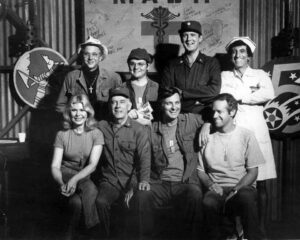
The scene’s brilliance lay in how it established mutual respect without sentimentality. Potter didn’t try to be their buddy—he remained clearly in command. But he recognized that these surgeons saved lives through skill and dedication, earning them latitude for their eccentricities. When he finally dismissed them with “Now get some sleep, we’ve got wounded coming in at 0600,” his tone combined authority with paternal concern. Hawkeye and BJ exchanged glances that communicated relief—they’d lucked into a leader who understood them.
Moment 2: The Painting Lesson That Became Therapy
Potter’s hobby of painting revealed unexpected emotional depth and created one of the series’ most touching bonding moments. When Hawkeye discovered Potter painting alone one quiet evening, he initially approached with his usual irreverence. Potter invited him to try, handing over brushes and canvas without pretension. What followed was a masterclass in how shared activity can facilitate emotional connection that direct conversation cannot.
As they painted side by side, Hawkeye began talking about his growing exhaustion, his fear that he was becoming numb to death, his worry that he’d never be the same person who left home. Potter listened while painting, offering occasional wisdom without lecturing. “War doesn’t improve you, Pierce,” he said quietly. “Best you can hope for is that it doesn’t completely ruin you. And you’re doing better than you think.” The validation from someone who’d survived multiple wars and remained decent gave Hawkeye something he desperately needed—hope that survival was possible.
The scene’s power came from what wasn’t said. Potter didn’t diminish Hawkeye’s struggles or offer empty reassurance. He simply shared space, shared art, and shared the hard-earned knowledge that feeling broken doesn’t mean being destroyed. BJ joined them later, and the three men painted in comfortable silence until dawn. No jokes, no deflection—just three people supporting each other through proximity and understanding. It remains one of MAS*H’s quietest yet most profound moments.
Moment 3: Potter Defending Hawkeye’s Breakdown
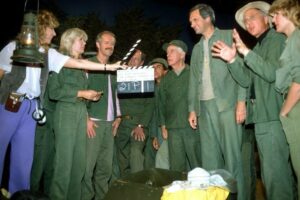
When Hawkeye suffered a serious psychological crisis triggered by accumulated trauma, some officers suggested relieving him of duty permanently. Potter’s fierce defense of his chief surgeon showcased his protective instinct and deep understanding of how war damages the mind. Standing before a review board, Potter delivered an impassioned speech about Hawkeye’s value, his sacrifice, and his right to break down after what he’d endured.
“Captain Pierce has performed over three thousand surgeries since arriving in Korea,” Potter testified, his voice tight with controlled anger. “He’s saved more lives than most of these desk jockeys will ever see. If he needs time to put himself back together, then by God, we owe him that time.” The scene demonstrated Potter’s willingness to risk his own career to protect his people—a defining characteristic of his leadership.
The follow-up scene, where Potter visited Hawkeye during recovery, revealed the personal relationship beneath professional duty. Potter brought painting supplies and simply sat with Hawkeye, not demanding conversation or improvement. “Take your time, son,” he said gently. “We’ll be here when you’re ready.” That paternal acceptance—calling Hawkeye “son” for the first time—gave permission to be broken without shame. Harry Morgan and Alan Alda played the scene with such tender restraint that it broke hearts without melodrama.
Moment 4: The Anniversary Toast That Honored Survival
Colonel Potter’s anniversary tradition of toasting fallen friends created annual moments of profound reflection. One particular anniversary gathering with Hawkeye, BJ, and Father Mulcahy evolved into something extraordinary when Potter asked each of them to share someone they’d lost. The ritual transformed from Potter’s private remembrance into communal mourning and healing.
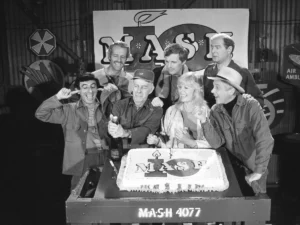
Potter began with stories of friends killed in World War I and II—men whose names the younger doctors had never heard but whose losses still haunted him decades later. His voice cracked describing a young medic who’d died saving wounded, and suddenly the doctors understood the accumulated grief Potter carried. When Hawkeye shared memories of a nurse killed in a shelling, Potter’s hand on his shoulder communicated understanding that needed no words.
The scene’s genius was showing how shared grief creates bonds stronger than shared joy. As they toasted the dead—some killed decades ago, others mere months—the four men became a family united by survival and loss. Potter’s final toast captured everything: “To the ones we couldn’t save, and the ones who couldn’t save themselves. May we do better tomorrow.” It was acknowledgment that they’d failed, promise to keep trying, and recognition that survival itself is both blessing and burden.
Moment 5: Potter’s Medical Crisis and the Doctors’ Terror
When Colonel Potter suffered a heart attack, the role reversal forced everyone to confront how central he’d become to their emotional stability. Hawkeye and BJ performing emergency surgery on their commanding officer created tension that transcended medical drama—they were operating on the father figure who’d held them together through countless crises.
The surgery scene played out with minimal dialogue, just Hawkeye’s hands shaking as he made the first incision and BJ’s steady voice talking him through it. In the observation area, the entire camp watched in terrified silence, revealing how Potter had become beloved by everyone. When Klinger openly wept and Margaret held his hand, the show demonstrated Potter’s impact on the entire unit’s emotional wellbeing.
Potter’s recovery room scene, where he woke to find Hawkeye asleep in the chair beside him, said everything about their relationship without words. Potter’s hand reaching out to touch Hawkeye’s shoulder, his whispered “Thank you, son,” and Hawkeye’s tearful relief created one of the series’ most moving father-son moments. The vulnerability on both sides—Potter allowing himself to be saved, Hawkeye admitting how terrified he’d been—showed emotional honesty that television rarely achieved.
Moment 6: The Final Goodbye and Legacy of Leadership
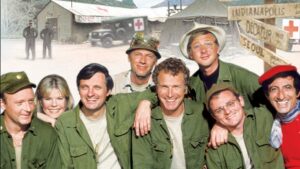
In the series finale, Potter’s individual goodbyes to his doctors revealed the depth of relationships built over years of shared trauma and triumph. His conversation with Hawkeye acknowledged everything they’d been through together, with Potter finally expressing the pride and love he’d shown through actions but rarely articulated directly.
“Pierce, you’re the finest surgeon I’ve ever served with,” Potter said, his voice rough with emotion. “You’re also the biggest pain in the ass. Don’t ever change.” The combination of professional praise and personal affection, delivered with Potter’s characteristic gruffness masking deep feeling, captured their entire relationship. When they embraced, decades of military formality dissolved into genuine human connection.
Potter’s final scene, painting one last picture of the 4077th before leaving, served as metaphor for his role—he’d created something beautiful from horror, provided perspective when everything seemed meaningless, and left behind a legacy of leadership through compassion rather than authority. As he rode away on Sophie, he left behind doctors who’d been changed by his example of how to remain human and humane even in hell.
Conclusion: The Father Figure Who Changed Everything
These six moments reveal why Colonel Potter transformed MAS*H from great television into something transcendent. He showed that leadership means protecting your people’s humanity along with their lives, that authority earned through wisdom beats authority demanded through rank, and that being a father figure means holding space for others’ pain while carrying your own with dignity.
For the doctors of the 4077th—and for viewers—Potter represented the leader we all wish we’d had: tough enough to command respect, wise enough to offer guidance, compassionate enough to see beneath the surface, and secure enough to love openly. That’s why these moments endure—they show what leadership looks like when practiced by someone who understands that taking care of people means caring for their souls as much as their safety.