More than four decades after its finale, MASH continues to captivate new generations of viewers while maintaining its devoted fanbase. In an era of ever-changing entertainment trends and fleeting viral sensations, this Korean War dramedy remains remarkably relevant and beloved. The question isn’t whether MASH has stood the test of time—it clearly has—but rather what specific qualities have enabled it to transcend its era and remain deeply meaningful to audiences today.
It Balanced Humor and Humanity Like No Other Show
The most distinctive quality of MASH was its unprecedented ability to make viewers laugh and cry within the same episode, sometimes within the same scene. This wasn’t the superficial mixing of comedy and drama that many shows attempt. Instead, MASH understood something profound about the human condition: we use humor to survive our darkest moments, and our laughter is often tinged with pain.
The show never treated its comedy and drama as separate elements that needed to be carefully compartmentalized. Instead, they flowed naturally from the characters and their circumstances. Hawkeye’s wisecracks weren’t just punchlines—they were defense mechanisms against the horror surrounding him. When those defenses occasionally crumbled, the dramatic impact was devastating precisely because we’d seen him use humor to hold himself together.
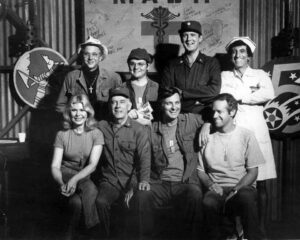
This approach feels more modern than ever in today’s entertainment landscape, where audiences have grown sophisticated about tonal complexity. Shows like BoJack Horseman and The Bear have followed MAS*H’s template of blending comedy with genuine emotional weight, proving that the path it pioneered remains vital and influential.
The Characters Felt Like Real People, Not Archetypes
Television in the 1970s and early 1980s often relied on simple character types—the hero, the clown, the villain. MAS*H rejected this simplistic approach, creating multidimensional characters who could surprise viewers with their complexity. Hawkeye wasn’t just the funny protagonist; he was a deeply moral man struggling with the immoral reality of war. Margaret wasn’t just the uptight head nurse; she was a capable professional fighting for respect in a male-dominated environment.
The show allowed its characters to evolve and change over eleven seasons in ways that felt organic rather than forced. Frank Burns started as a one-dimensional antagonist but revealed layers of insecurity and incompetence that made him almost pitiable. Margaret’s transformation from “Hot Lips” to a respected, multifaceted character represented genuine character growth that reflected changing attitudes about women in professional settings.
This commitment to authentic characterization means that MAS*H characters still feel recognizable and relatable today. We’ve all known someone like Klinger, who uses humor and outrageous behavior to cope with an unbearable situation. We’ve encountered authority figures like Colonel Potter, who balance regulations with compassion. These aren’t dated caricatures—they’re timeless human types rendered with specificity and affection.
It Tackled Universal Themes That Never Go Out of Style
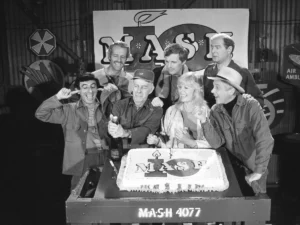
While MAS*H was ostensibly about the Korean War, its true subjects were universal: the absurdity of bureaucracy, the value of friendship, the cost of violence, the importance of maintaining one’s humanity in dehumanizing circumstances. These themes resonated in the 1970s and 1980s, and they resonate just as powerfully today.
The show’s anti-war message never felt simplistic or preachy. MAS*H didn’t argue that soldiers were bad people or that patriotism was foolish. Instead, it showed how war forces good people into impossible situations and how institutional priorities often conflict with human needs. This nuanced perspective allows the show to speak to audiences regardless of their political views or attitudes about specific military conflicts.
Episodes dealing with racism, sexism, class divisions, and ethical dilemmas feel remarkably contemporary. The show’s willingness to engage with difficult questions rather than offering easy answers gives it a timelessness that more didactic programs lack. MAS*H trusted its audience to think critically and draw their own conclusions, a respect for viewers that remains refreshing.
The Writing Was Sharp, Intelligent, and Fearless
MAS*H featured some of television’s finest writing, with dialogue that crackled with wit while revealing character and advancing story. The writers weren’t content with simple setup-punchline jokes. Instead, they crafted conversations that felt natural while being more articulate and insightful than real speech. This approach created a heightened reality that was simultaneously entertaining and believable.
The show also demonstrated remarkable courage in its storytelling choices. It killed beloved characters like Henry Blake without warning, shattering the illusion of safety that television usually provides. It showed the psychological toll of war through episodes focused on mental breakdowns, moral injuries, and accumulated trauma. It questioned authority and challenged viewers’ assumptions about war, heroism, and patriotism.

This fearlessness extended to formal experimentation. Episodes like “Point of View” (shot from a patient’s perspective) and “Dreams” (exploring characters’ subconscious fears) pushed television’s boundaries. These experiments weren’t gimmicks—they served the show’s larger purposes while demonstrating that television could be artistically ambitious.
It Created Iconic Moments That Live in Cultural Memory
Certain MAS*H moments have transcended the show itself to become part of our collective cultural consciousness. Radar’s quiet announcement of Colonel Blake’s death. The final scene of the series finale with “GOODBYE” spelled out in stones. Hawkeye’s breakdown over the chicken on the bus. These moments remain powerful decades later, discussed and analyzed by fans and critics alike.
What makes these moments iconic isn’t just their dramatic impact but their emotional authenticity. The show earned these big moments through careful character development and emotional investment. When something devastating happened, it mattered because we cared deeply about the characters involved. Modern television has learned from MAS*H that truly memorable moments require groundwork and context.
The Cast Chemistry Was Magical and Irreplaceable
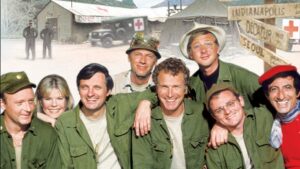
The ensemble cast of MAS*H achieved something rare and precious: genuine chemistry that made their relationships feel authentic and lived-in. Alan Alda, Loretta Swit, Jamie Farr, Mike Farrell, Harry Morgan, and the rest of the cast didn’t just play coworkers—they embodied a found family forged by shared trauma and mutual dependence.
This chemistry evolved naturally as the actors spent years working together. Their comfort with each other translated to performances that felt spontaneous and real. Watch any scene in the Swamp or the officers’ club, and you’ll see actors who genuinely enjoy working together, who can play off each other’s rhythms and react authentically to unexpected moments.
It Respected Its Audience’s Intelligence
In an era when television was often dismissed as a wasteland, MAS*H demonstrated that the medium could challenge viewers intellectually and emotionally. The show didn’t spell everything out or provide tidy resolutions to every conflict. It trusted audiences to understand subtext, appreciate ambiguity, and engage with complex moral questions.
This respect for viewers extended to the show’s comedy, which relied on wit and wordplay rather than broad slapstick or insult humor. The writers assumed their audience was smart enough to catch references, appreciate subtle character moments, and connect emotional threads across episodes. This approach created a viewing experience that rewards attention and repeated watching.
It Demonstrated That Television Could Be Art
Perhaps MASH’s most enduring legacy is its proof that television could achieve genuine artistic merit. Before prestige dramas became common, MASH showed that a network television series could be meaningful, challenging, and artistically ambitious while remaining popular and entertaining.
The show’s influence on modern television cannot be overstated. It paved the way for everything from Hill Street Blues to The Sopranos to Breaking Bad—shows that take their medium seriously and push its boundaries. MAS*H proved that television could have something important to say and could say it with style, intelligence, and emotional power.
Conclusion
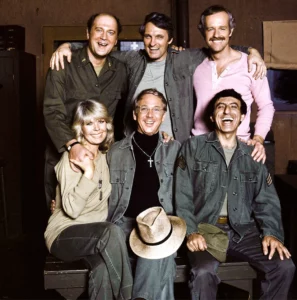
MASH endures because it achieved something rare in any artistic medium: it was simultaneously entertaining and meaningful, popular and profound, funny and heartbreaking. The show understood that great television doesn’t talk down to its audience or settle for easy answers. Instead, it challenges viewers while respecting them, entertains while enlightening, and creates something that transcends its original context to speak to fundamental human experiences. That’s why MASH remains beloved—and why it will continue captivating audiences for generations to come.