The legacy of MAS*H extends far beyond what audiences saw on their television screens. Behind every iconic episode, memorable character, and groundbreaking moment lay a production process filled with creative battles, ingenious solutions, and passionate dedication. The stories from behind the scenes are just as compelling as the show itself, revealing how a group of talented individuals fought to create something truly special against all odds.
The Laugh Track Battle That Defined the Show’s Identity
From the very beginning, MAS*H’s creative team engaged in a fierce struggle with CBS executives over the use of canned laughter. Larry Gelbart, the show’s creator, adamantly opposed the laugh track, believing it undermined the show’s dramatic integrity and insulted the intelligence of viewers. He particularly fought to keep it out of operating room scenes, arguing that laughter during surgery would be grotesque and disrespectful.
The network, however, feared that audiences wouldn’t understand when they were supposed to laugh without the audio cues. This represented a fundamental clash between old and new television philosophies. CBS wanted the safety of traditional sitcom conventions, while Gelbart envisioned something revolutionary—a show that trusted its audience to navigate complex tonal shifts without hand-holding.
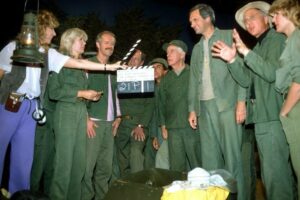
The compromise they reached became one of the show’s defining characteristics. The laugh track remained for most scenes, but it was banned from the operating room and significantly reduced in dramatic moments. As the series progressed and gained confidence, the laugh track became even more subtle. By the later seasons, many episodes featured long stretches without any canned laughter at all. This evolution mirrored the show’s own journey from comedy with dramatic elements to drama with comedic relief.
International broadcasts of MAS*H often aired without the laugh track entirely, and these versions are frequently cited by fans as superior. The absence of artificial laughter allows the show’s natural humor and dramatic weight to shine through more powerfully, proving that Gelbart’s instincts were correct all along.
The Real-Life Medical Advisors Who Brought Authenticity
What set MAS*H apart from other war dramas was its unflinching commitment to medical accuracy. The production team hired actual doctors and nurses who had served in Mobile Army Surgical Hospital units during the Korean War. These medical advisors didn’t just ensure that the surgical procedures looked realistic—they brought genuine war experiences that informed storylines and character development.
Dr. Walter Dishell, a surgeon who served in Korea, became one of the show’s primary medical consultants. He would stand just off-camera during operating room scenes, coaching actors through procedures and ensuring that every instrument, every movement, and every medical term was authentic. The actors learned to perform convincing surgical techniques, understanding not just what to do but why they were doing it.
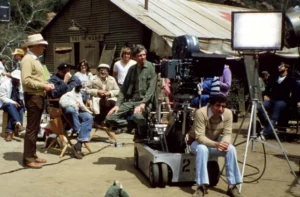
These consultants shared their own stories, which writers incorporated into episodes. The emotional toll of treating young soldiers, the moral dilemmas of triage, the dark humor that medical personnel used to cope—all of these came from real experiences. This authenticity gave MAS*H a gravitas that resonated with veterans and medical professionals, who praised the show for its honest portrayal of their experiences.
The operating room set itself was built to exact specifications of real MASH units. The equipment was authentic or carefully reproduced. This attention to detail created an environment where actors could genuinely feel like they were in a field hospital, which translated to more powerful performances.
Alan Alda’s Growing Creative Control and Vision
Alan Alda started as the show’s star, but he became its creative heart and soul. Over eleven seasons, he evolved from actor to writer, director, and creative consultant, ultimately exerting more influence over MAS*H than anyone except the producers. His vision for the show—emphasizing character development, emotional depth, and anti-war themes—shaped its trajectory and legacy.
Alda’s approach to directing was collaborative and actor-focused. He believed in thorough rehearsal and encouraged improvisation within the script’s framework. Many of the show’s most memorable moments came from actors riffing on the written material, finding unexpected emotional truths in scenes. Alda created an environment where everyone felt empowered to contribute ideas.
His writing credits include some of the series’ most celebrated episodes. He wasn’t afraid to tackle controversial subjects or push characters into uncomfortable emotional territory. Alda understood that true growth requires struggle, and he put Hawkeye through experiences that challenged and changed him. This willingness to let characters suffer and evolve kept MAS*H fresh across its unprecedented run.
Alda’s influence extended to the show’s politics as well. His passionate anti-war stance informed storylines that questioned authority, exposed military absurdity, and highlighted the human cost of conflict. While some critics accused the show of being preachy, Alda never apologized for having something to say. He believed television could be more than entertainment—it could be a vehicle for social commentary and meaningful dialogue.
The Outdoor Set That Became Television’s Most Famous Location
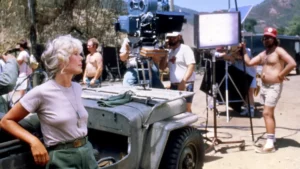
The outdoor MAS*H compound was built on a ranch in Malibu Creek State Park, and it became one of television’s most recognizable locations. For eleven years, this set served as the 4077th’s home, meticulously maintained and constantly evolving. The production team faced unique challenges filming outdoors, from weather issues to curious hikers who would stumble onto the set.
The Korean landscape had to be recreated in Southern California, which required creative solutions. The production team planted specific vegetation, removed anachronistic elements, and carefully controlled what appeared in each shot. During California’s dry seasons, they painted brown grass green to maintain continuity. In one memorable instance, a wildfire nearly destroyed the set, forcing a frantic effort to save the iconic structures.
This outdoor location gave MAS*H a visual authenticity that studio-bound shows couldn’t match. The natural lighting, real weather conditions, and genuine outdoor atmosphere made the 4077th feel like a real place rather than a television set. Actors have spoken about how filming outside in sometimes uncomfortable conditions helped them connect with their characters’ experiences.
After the series ended, the outdoor set was abandoned and gradually deteriorated. Today, visitors can still hike to the location and see remnants of the compound, including the famous signpost pointing to various hometowns. It’s become a pilgrimage site for fans, a physical reminder of the show’s enduring impact.
The Controversial Decision to Replace Characters Instead of Canceling
When McLean Stevenson and Wayne Rogers left after the third season, conventional wisdom suggested the show couldn’t survive losing two major characters. But the producers made the bold decision to replace them rather than cancel, introducing Harry Morgan as Colonel Potter and Mike Farrell as B.J. Hunnicutt. This decision proved transformative.
Rather than trying to recreate what was lost, the new characters brought different dynamics. Potter was paternal and stable where Henry Blake had been bumbling. B.J. was more grounded and family-oriented than Trapper John. These changes matured the show, moving it away from the anarchic comedy of early seasons toward more nuanced character drama.
The transition wasn’t seamless. Some fans never accepted the new characters, remaining loyal to the original cast. But the producers’ courage in evolving rather than stagnating allowed MAS*H to continue for eight more seasons, producing some of its finest work. This willingness to take risks and trust the show’s fundamental strength—the situation rather than specific actors—became a model for long-running series.
Conclusion
These behind-the-scenes stories reveal the passion, creativity, and determination that made MAS*H exceptional. The show’s success wasn’t accidental—it resulted from countless decisions, large and small, made by people committed to creating something meaningful. Understanding the production process deepens our appreciation for what appeared on screen and reminds us that great television requires vision, courage, and unwavering dedication to quality.