More than four decades after its final episode aired, MASH continues to captivate audiences across generations. This groundbreaking series, which masterfully blended comedy and drama against the backdrop of the Korean War, has transcended its era to become a cultural touchstone that remains remarkably relevant in today’s world. While many television shows from the 1970s and early 1980s have faded into obscurity, MASH endures as a testament to exceptional storytelling, profound humanity, and artistic courage. Let’s explore the eight compelling reasons why this extraordinary series continues to resonate with viewers today.
The Perfect Balance Between Humor and Heartbreak
MAS*H pioneered a revolutionary approach to television storytelling by seamlessly weaving comedy and tragedy into a single narrative tapestry. The series never shied away from the harsh realities of war, yet it understood that humor serves as a vital coping mechanism in the darkest of times. This delicate balance feels especially poignant in our current age, where we navigate complex global challenges while seeking moments of levity. The show’s writers crafted episodes that could make you laugh until tears streamed down your face, only to have those tears turn genuine moments later. This emotional authenticity created a viewing experience that felt real and relatable, establishing a template that modern dramedy series still attempt to replicate today.
Unforgettable Characters That Feel Like Family
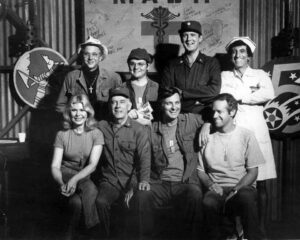
The 4077th Mobile Army Surgical Hospital became home to some of television’s most beloved characters. From Hawkeye Pierce’s irreverent wit to Margaret Houlihan’s transformation from “Hot Lips” to a complex, three-dimensional woman, each character underwent meaningful development throughout the series’ eleven-season run. Colonel Potter’s folksy wisdom, Father Mulcahy’s quiet dignity, Charles Winchester’s unexpected depth, and Klinger’s outrageous schemes all contributed to a ensemble that felt authentic and lived-in. These weren’t caricatures or stereotypes; they were fully realized human beings with flaws, growth arcs, and genuine relationships. Modern audiences continue to connect with these characters because they represent universal human experiences: friendship forged in adversity, personal growth through hardship, and the search for meaning in chaotic circumstances.
Powerful Anti-War Messaging That Transcends Time
While set during the Korean War, MAS*H served as a potent commentary on the Vietnam War and warfare in general. The series never glorified combat or presented simplistic patriotic narratives. Instead, it showed the true cost of war through the eyes of medical professionals tasked with piecing together bodies torn apart by violence. This unflinching perspective on the futility and horror of armed conflict remains powerfully relevant in an era of ongoing global conflicts. The show’s message wasn’t anti-soldier or anti-American; it was pro-humanity, questioning the systems and decisions that send young people to fight and die. This nuanced approach to political commentary feels remarkably sophisticated even by today’s standards, demonstrating that meaningful social critique doesn’t require heavy-handed preaching.

Groundbreaking Storytelling Techniques
MASH consistently pushed the boundaries of what television could achieve artistically. The experimental episode “Point of View” presented an entire story from the perspective of a wounded soldier, while “Dreams” explored the psychological trauma experienced by the medical staff through surreal dream sequences. The series finale, “Goodbye, Farewell and Amen,” remains the most-watched television broadcast in American history, drawing over 125 million viewers. These creative risks demonstrated that television could be art, not merely entertainment. Modern prestige television owes a tremendous debt to MASH’s willingness to experiment with form, structure, and tone, proving that audiences would embrace challenging, innovative storytelling when executed with skill and purpose.
Addressing Social Issues With Sensitivity and Intelligence
Long before “woke” became a cultural buzzword, MAS*H tackled racism, sexism, classism, and various social injustices with remarkable sensitivity and insight. The show featured one of television’s first recurring openly gay characters and addressed the discrimination he faced. It examined the experiences of Korean civilians caught in the crossfire of a war they didn’t choose. Female characters evolved from one-dimensional love interests to complex professionals struggling against institutional sexism. These storylines never felt preachy or forced; they emerged organically from the characters and situations. This approach to social commentary feels refreshingly authentic compared to some modern shows that telegraph their progressive credentials with less subtlety.
The Healing Power of Friendship and Community
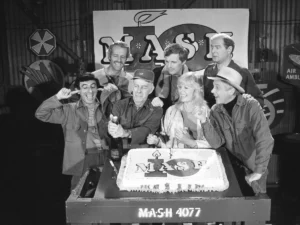
At its core, MASH celebrated the profound connections that form between people facing shared adversity. The bonds between the members of the 4077th transcended military hierarchy, professional rivalry, and personal differences. They became a found family, supporting each other through physical danger, moral dilemmas, and emotional breakdowns. In our increasingly isolated modern world, where loneliness has become an epidemic, MASH’s portrayal of genuine community and authentic friendship resonates deeply. The series reminded viewers that we need each other, that human connection provides meaning and purpose, and that sometimes the people who start as colleagues or even adversaries become the most important relationships in our lives.
Exceptional Writing That Respects the Audience
The writers of MASH trusted their audience to follow complex narratives, understand subtle humor, and grapple with moral ambiguity. Episodes didn’t wrap up neatly with simple solutions; characters made mistakes without always learning tidy lessons; and the war’s impact lingered across multiple episodes and seasons. This sophisticated approach to storytelling demonstrated respect for viewers’ intelligence and emotional maturity. In an era of increasingly complex prestige television, MASH’s narrative complexity seems prescient rather than dated. The show proved that mainstream network television could be intellectually engaging while remaining accessible and entertaining.
A Legacy That Continues to Inspire
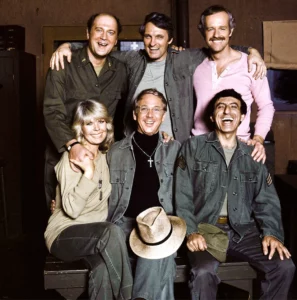
MASH’s influence extends far beyond its original run, shaping decades of television that followed. Medical dramas, military series, and workplace comedies all bear its fingerprints. Shows like “Scrubs,” “Brooklyn Nine-Nine,” and even “The Office” owe a debt to MASH’s genre-blending approach. The series demonstrated that television could be a medium for serious artistic expression and social commentary while remaining entertaining and commercially successful. Contemporary creators continue to cite MAS*H as an inspiration, and new generations discovering the show through streaming services find it speaks to their experiences and concerns with surprising immediacy.
Conclusion: A Show for All Seasons
MASH endures because it captured fundamental truths about the human condition with honesty, humor, and heart. It reminded us that laughter and tears often coexist, that ordinary people can perform extraordinary acts, and that maintaining humanity in dehumanizing circumstances represents the highest form of courage. The series never provided easy answers or comfortable resolutions, but it offered something more valuable: recognition that we’re all struggling, we’re all flawed, and we’re all doing our best in difficult circumstances. These universal themes ensure that MASH will continue to resonate with audiences for generations to come, cementing its status as not just a great television show, but a significant cultural achievement that transcends its medium.