When the final episode of MASH aired on February 28, 1983, it became the most-watched television broadcast in American history, drawing over 125 million viewers. This wasn’t just a television phenomenon; it was a cultural moment that transcended entertainment and left an indelible mark on society. But what made this dark comedy about a mobile army surgical hospital during the Korean War so influential that its impact still resonates more than four decades later? The answer lies in how MASH fundamentally changed television, challenged social norms, and reflected the complexities of the human condition in ways that continue to shape modern culture.
MAS*H Revolutionized the Sitcom Format
Before MASH, sitcoms were primarily light-hearted escapism, filled with laugh tracks and simple plot resolutions. MASH shattered this mold by introducing the dramedy format, seamlessly blending humor with tragedy. One moment you’d be laughing at Hawkeye’s antics, and the next, you’d be confronting the horror of war through a surgeon’s blood-stained hands. This tonal complexity paved the way for modern shows like Scrubs, The Office, and even contemporary dramas that incorporate humor as a coping mechanism. Television audiences learned that entertainment could be both funny and meaningful, that laughter and tears could coexist in the same half-hour.
It Challenged Authority and Military Culture
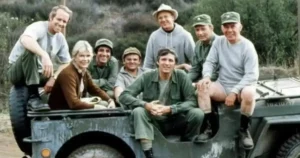
At a time when questioning authority was becoming part of the American consciousness, MASH gave voice to anti-establishment sentiments. Characters like Hawkeye Pierce and Trapper John openly defied military protocol, questioned the logic of war, and humanized the concept of conscientious objection. The show aired during the Vietnam War era, and while it was ostensibly about Korea, viewers understood the subtext. MASH normalized skepticism toward military bureaucracy and showed that patriotism didn’t necessarily mean blind obedience. This cultural shift influenced how subsequent generations approached military service, government authority, and civic duty.
MAS*H Portrayed War with Unprecedented Realism
Unlike previous war-themed entertainment that glorified combat, MASH showed the unglamorous, devastating reality of warfare. The operating room scenes were graphic for their time, depicting the physical and psychological toll of battle. The show didn’t shy away from addressing PTSD, moral injury, and the absurdity of sending young people to kill each other over political disputes. This honest portrayal influenced how media depicts military conflict today. From Saving Private Ryan to modern war journalism, the standard for authenticity that MASH established continues to inform how we document and discuss armed conflict.
It Advanced Progressive Social Commentary
MAS*H tackled issues that were controversial for its era with remarkable sophistication. Episodes addressed racism, women’s rights, LGBTQ+ discrimination, mental health, substance abuse, and class inequality. Major Margaret Houlihan’s character evolution from a one-dimensional antagonist to a complex, career-driven woman reflected the feminist movement happening in real-time. The show featured one of television’s first openly discussed gay characters and addressed homophobia with nuance rare for the 1970s. These storylines normalized conversations about social justice and demonstrated that popular entertainment could be a vehicle for progressive values.
The Ensemble Cast Model Became the Gold Standard
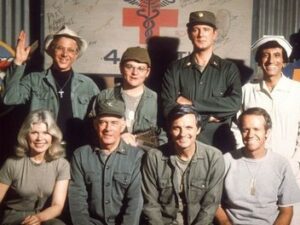
While many shows before MASH featured ensemble casts, few balanced multiple character arcs with such skill. Every member of the 4077th had depth, development, and meaningful storylines. This approach influenced countless series, from ER to The West Wing to Game of Thrones. The idea that no single character needs to dominate every episode, that viewers can invest in multiple perspectives simultaneously, became a hallmark of prestige television. MASH proved that audiences were sophisticated enough to follow complex, interwoven narratives with large casts.
It Humanized Mental Health Struggles
MAS*H addressed psychological trauma before it was culturally acceptable to do so. Characters experienced breakdowns, sought therapy, and displayed symptoms of what we now recognize as PTSD. Dr. Sidney Freedman, the psychiatrist, was portrayed as a hero rather than a stigmatized figure. The show normalized the idea that mental health care is essential, not shameful. Episodes like “Goodbye, Farewell and Amen,” where Hawkeye suppresses a traumatic memory, brought clinical psychology into mainstream conversation and helped reduce stigma around seeking help.
The Series Finale Set a New Standard for Television Events
The MASH finale wasn’t just an ending; it was a cultural event that families planned their evenings around. This concept of appointment television, where massive audiences simultaneously experience a moment, influenced how networks approached programming. While streaming has changed viewing habits, the desire to share major television moments collectively persists in shows like Game of Thrones or Breaking Bad. MASH demonstrated that television could create shared cultural experiences as powerful as any movie or sporting event.
It Influenced Medical Drama Storytelling
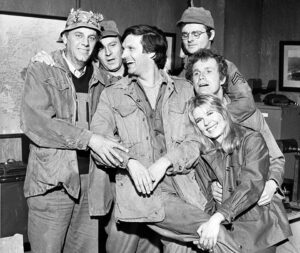
Before MASH, medical dramas like Ben Casey and Dr. Kildare focused primarily on heroic doctors solving medical mysteries. MASH introduced the chaotic, high-pressure environment of emergency medicine, the ethical dilemmas physicians face, and the emotional burden of life-and-death decisions. Shows like ER, Grey’s Anatomy, and House directly descend from MAS*H’s template. The combination of medical accuracy, workplace dynamics, personal relationships, and broader social commentary that defines modern medical dramas originated in the 4077th’s operating tent.
MAS*H Created a Template for Smart Comedy
The writing on MASH assumed audience intelligence. References to literature, history, politics, and philosophy were woven into dialogue without explanation. The humor ranged from slapstick to sophisticated wordplay. This established that sitcoms didn’t need to talk down to viewers. The influence is evident in shows like Arrested Development, Community, and The Good Place, which reward attentive watching and trust audiences to keep up with complex humor. MASH proved that commercial success and intellectual content weren’t mutually exclusive.
It Demonstrated Television’s Capacity for Artistic Expression
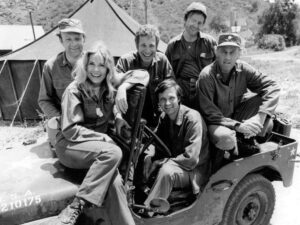
Perhaps most importantly, MAS*H legitimized television as an art form. The experimental episode “Point of View,” shot entirely from a patient’s perspective, or “Dreams,” which explored characters’ subconscious fears through surreal imagery, showed that television could be as artistically ambitious as cinema. Directors and writers could use the medium to explore the human experience with depth and creativity. This opened doors for the golden age of television we’re experiencing today, where filmmakers like Martin Scorsese and Jane Campion create series because television offers the canvas for expansive storytelling.
The Lasting Legacy
MASH’s influence extends beyond entertainment into how we discuss war, approach authority, understand mental health, and expect sophistication from our media. It taught audiences that comedy could carry profound messages, that characters could be flawed and still heroic, and that popular entertainment could challenge rather than simply reflect cultural values. Modern prestige television, with its complex narratives, moral ambiguity, and social commentary, owes a significant debt to what MASH accomplished.
The show’s final words, spoken by Hawkeye Pierce, were simply “Goodbye” spelled out in stones visible from the departing helicopter. That image captures MASH’s essence: profound emotion conveyed through simple, honest expression. In a media landscape now saturated with content, MASH reminds us that true cultural impact comes not from spectacle alone, but from authentic storytelling that speaks to fundamental human truths. That’s why, more than forty years after it ended, MAS*H remains a touchstone for understanding how television shaped, and continues to shape, modern culture.