When MASH aired its final episode in 1983, many assumed the show would fade into pleasant nostalgia—a beloved relic of its era but increasingly irrelevant to future generations. Instead, something remarkable has happened. More than four decades after its conclusion, MASH continues attracting new viewers, particularly younger audiences discovering the series through streaming platforms. Far from feeling dated, the show addresses themes, struggles, and questions that resonate powerfully in 2025. These eight reasons explain why MAS*H remains not just watchable but genuinely relevant to modern audiences navigating a world the show’s creators could never have imagined.
It Portrays Mental Health With Unprecedented Honesty
Perhaps no aspect of MAS*H feels more contemporary than its treatment of mental health and trauma. At a time when PTSD wasn’t widely understood or discussed, the show depicted psychological damage with sophistication that remains impressive today. Hawkeye’s gradual psychological deterioration across eleven seasons, culminating in his complete breakdown in the finale, portrayed trauma’s cumulative effects with accuracy that mental health professionals still praise.
Modern audiences, particularly younger generations who discuss mental health more openly than previous cohorts, recognize MAS*H’s honest portrayal of how trauma affects people. The show didn’t present simple diagnoses or quick fixes. Instead, it showed characters developing coping mechanisms—some healthy, some destructive—to manage sustained exposure to horror. Hawkeye’s alcoholism, his compulsive joking, and his eventual psychological collapse reflect authentic trauma responses that resonate with viewers who understand that mental health challenges don’t have easy solutions.
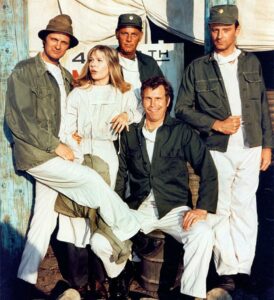
The show also portrayed the stigma around mental illness and the difficulty of seeking help, themes that remain painfully relevant. When characters struggled emotionally, they often hid their pain, fearing professional consequences or judgment from peers. This honest depiction of barriers to mental health care speaks directly to modern conversations about reducing stigma and improving access to psychological support. MAS*H argued decades ago that psychological wounds deserve the same attention as physical injuries—a message that feels urgent in 2025’s ongoing mental health crisis.
It Addresses Moral Complexity Without Easy Answers
Modern audiences, raised on prestige television that embraces moral ambiguity, appreciate MAS*H’s refusal to provide simple answers to complicated questions. The show consistently presented ethical dilemmas without clear solutions, trusting viewers to grapple with complexity rather than offering comfortable certainty. Should doctors treat enemy soldiers with the same care as American troops? How do you maintain humanity when surrounded by dehumanizing violence? When does survival require compromising principles?
These questions feel remarkably contemporary in an era of polarized politics and social media debates that demand choosing sides. MAS*H demonstrated that intelligent people can disagree about difficult issues while respecting each other’s perspectives. Characters argued passionately about war’s morality, military authority, individual responsibility, and countless other topics, but their disagreements rarely destroyed relationships. This model of constructive disagreement feels almost revolutionary in 2025’s cancel culture environment.
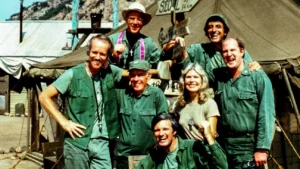
The show’s anti-war stance was clear but nuanced. It didn’t portray soldiers as victims or villains, hawks as monsters or peaceniks as naive idealists. Instead, it showed complicated people doing impossible jobs in untenable situations, making imperfect decisions with incomplete information. This sophisticated approach to moral complexity feels more relevant than ever to audiences navigating a world where every issue seems to demand absolute certainty and unwavering positions.
Its Workplace Dynamics Mirror Modern Professional Challenges
Strip away the military setting and historical context, and MAS*H becomes a remarkably contemporary workplace drama. The 4077th staff navigated toxic leadership, institutional dysfunction, workplace harassment, professional rivalry, and the challenge of maintaining ethics within flawed systems—all issues that modern workers recognize immediately. The show’s exploration of how people survive difficult work environments while maintaining integrity and humanity speaks directly to contemporary professional experiences.
Margaret’s evolution from someone who valued military hierarchy above all else to a leader who protected her team against institutional injustice mirrors modern conversations about when loyalty to institutions conflicts with moral obligations. Her journey from accepting workplace harassment as normal to demanding respect reflects the long, difficult path toward professional equality that women continue navigating today.
The show’s portrayal of dealing with incompetent or dangerous leadership—from Frank Burns to various visiting brass—provides a template for managing workplace power dynamics that remains relevant. Characters had to decide when to follow orders, when to resist authority, and how to protect themselves and others from institutional harm. These decisions face modern workers in various contexts, from corporate environments to healthcare systems to academia.
It Demonstrates Authentic Friendship and Emotional Intelligence
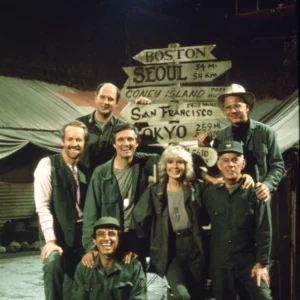
Modern audiences, particularly younger viewers who value emotional authenticity and vulnerability, appreciate MAS*H’s portrayal of genuine friendship between people who support each other through crisis. The show depicted emotional intelligence decades before the term entered popular vocabulary, showing characters who listened without judgment, offered support without trying to fix everything, and respected different coping mechanisms.
The friendships in MAS*H weren’t based on constant agreement or shared backgrounds—they were forged through shared struggle and mutual respect. Hawkeye and BJ’s relationship, Winchester and Potter’s grudging respect, the nurses’ support networks—all demonstrated that meaningful connection requires effort, patience, and willingness to see past surface differences. This message resonates with modern audiences navigating increasingly polarized social landscapes where forming friendships across differences feels increasingly difficult.
The show also portrayed healthy masculinity in ways that feel progressive even today. Male characters expressed emotions, supported each other, admitted vulnerability, and demonstrated that strength includes acknowledging weakness. In an era of ongoing conversations about toxic masculinity and emotional suppression’s costs, MAS*H’s model of male friendship that includes emotional honesty feels remarkably relevant.
Its Commentary on Institutional Dysfunction Remains Painfully Accurate
MAS*H’s critique of military bureaucracy, institutional incompetence, and the gap between command decisions and ground-level reality speaks directly to modern frustrations with institutions that seem disconnected from the people they supposedly serve. The show repeatedly portrayed well-meaning individuals trying to do good work within systems designed for different purposes, forced to navigate bureaucracy that impeded rather than supported their mission.
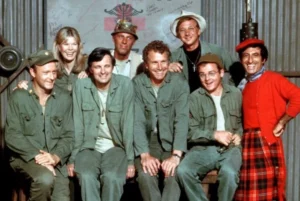
Modern viewers working in healthcare, education, government, or corporate environments immediately recognize these dynamics. The visiting generals more concerned with public relations than patient outcomes mirror modern executives prioritizing metrics over meaning. The supply shortages caused by bureaucratic dysfunction parallel contemporary resource allocation failures. The policies that make sense in headquarters but prove disastrous in practice reflect ongoing tensions between institutional logic and practical reality.
The show’s consistent message—that institutions serve people, not the reverse—feels radical in systems that often seem to operate for their own perpetuation rather than their stated purposes. MAS*H argued that individuals must sometimes resist institutional demands to maintain moral integrity, a message that resonates with modern whistleblowers, protesters, and workers demanding accountability from powerful institutions.
It Balances Humor and Darkness in Ways Modern Shows Emulate
The prestige television era has produced numerous shows that blend comedy and drama, but MASH pioneered this balance decades earlier. Modern audiences raised on dramedies like “BoJack Horseman,” “Fleabag,” or “Atlanta” immediately recognize MASH’s sophisticated tonal shifts. The show understood that humor doesn’t diminish tragedy—it often makes it bearable and therefore more accessible.
This balance feels particularly relevant to modern audiences navigating a world that demands processing constant crisis while maintaining functionality. MASH demonstrated that joking about horrible things isn’t disrespectful—it’s a survival mechanism that allows people to confront darkness without being consumed by it. Younger viewers who use memes and dark humor to process climate anxiety, political chaos, and social upheaval instinctively understand what MASH was doing decades before social media existed.
The show’s refusal to choose between comedy and drama, its insistence that life contains both simultaneously, reflects modern viewers’ lived experience more accurately than shows that maintain consistent tone. MAS*H’s tonal complexity prepared audiences for the sophisticated storytelling that defines contemporary prestige television.

Its Diverse Perspectives Challenge Simplistic Narratives
While MAS*H had limitations in representation common to its era, the show made genuine efforts to include diverse perspectives and challenge stereotypes. Characters like Klinger, whose Lebanese-American heritage was portrayed positively, and Nurse Kellye, whose Asian-American identity was treated with respect rare for 1970s television, demonstrated the show’s commitment to representation beyond tokenism.
More importantly, MAS*H consistently gave voice to characters often marginalized in military narratives—nurses, enlisted personnel, local civilians, and even enemy soldiers received humanizing treatment that challenged simplistic good-versus-evil frameworks. The show argued that every person has a story, that understanding requires listening to perspectives different from your own, and that empathy must extend beyond familiar groups.
This commitment to complicating simplistic narratives resonates with modern audiences who reject one-dimensional portrayals and demand nuanced representation. While contemporary shows have progressed beyond MAS*H’s limitations, the foundational commitment to seeing humanity in everyone—including enemies and outcasts—established principles that remain vital.
It Proves Television Can Be Art
Finally, MAS*H remains relevant because it demonstrated television’s artistic potential at a time when the medium was still considered inferior to film and theater. The show’s experimental episodes, sophisticated writing, complex character development, and willingness to take creative risks established that television series could achieve artistic excellence while remaining accessible entertainment.
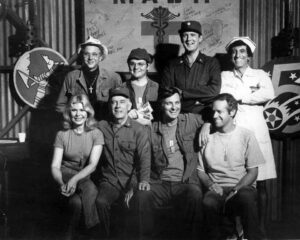
Modern audiences who have experienced television’s golden age—from “The Sopranos” to “Breaking Bad” to “Succession”—can appreciate MAS*H as a crucial link in television’s evolution from disposable entertainment to genuine art form. The show’s innovations in structure, tone, cinematography, and narrative ambition paved the way for the prestige television that defines contemporary viewing culture.
The Timeless Truth
These eight reasons explain why MASH continues finding new audiences decades after its conclusion. The show’s themes—trauma’s psychological costs, moral complexity in impossible situations, maintaining humanity within dehumanizing systems, the power of authentic friendship, institutional dysfunction’s human toll, balancing darkness with humor, respecting diverse perspectives, and television’s artistic potential—remain profoundly relevant to modern viewers. MASH endures not despite being 40 years old but because it addressed fundamental human experiences that transcend specific historical moments. The uniforms and technology may be dated, but the questions the show asked and the compassion with which it approached human struggle feel as urgent and necessary in 2025 as they did in 1983. That’s not nostalgia—that’s timeless art.