In the golden age of streaming where new content floods platforms daily and shows are designed to be consumed and forgotten, MASH stands as a peculiar anomaly—a series that ended over forty years ago yet feels increasingly relevant with each passing year. While countless contemporary shows chase trends and viral moments, MASH’s timeless approach to storytelling, character development, and social commentary makes it more impactful now than much of what’s currently being produced. These eight reasons explain why MAS*H isn’t just a nostalgic relic but a living, breathing masterclass in television excellence that modern shows still can’t match.
It Treats Audiences Like Intelligent Adults
MAS*H operates on a fundamental assumption that’s become revolutionary in contemporary television—it trusts viewers to be smart. The show references literature, philosophy, and history without stopping to explain every allusion. It allows scenes to breathe without constant dialogue or action. It presents moral complexity without providing easy answers or telling audiences what to think. This respect for viewer intelligence creates a fundamentally different viewing experience than algorithm-optimized content designed to be consumed passively.
The show’s literary references alone demonstrate this trust. Characters casually quote Shakespeare, discuss Tolstoy, and make references that require cultural literacy to fully appreciate. Rather than dumbing down content to reach the widest possible audience, MAS*H assumed its audience was educated and curious. This approach rewards repeated viewing—jokes and references you miss the first time become clear on subsequent watches, creating layers of meaning that deepen appreciation over time.
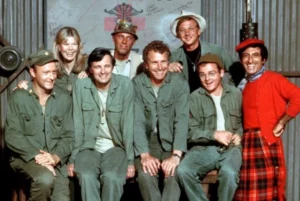
Contemporary television often feels like it’s pandering to the lowest common denominator, explaining every plot point and spelling out emotional beats that should be implicit. MAS*H does the opposite—it leaves space for interpretation, allows ambiguity, and trusts that viewers can handle complexity. A scene might end without resolution, a character’s motivation might remain unclear, or a joke might require you to think before you laugh. This approach treats television as art rather than product, creating work that respects audiences rather than manipulating them.
The Character Development Is Actually Earned
In an era of character arcs that feel mandated by writers’ room formulas, MAS*H’s character evolution stands out for feeling organic and earned. Characters change gradually over years through accumulated experiences rather than sudden transformations triggered by plot events. Margaret Houlihan’s journey from rigid military caricature to complex, compassionate leader happens slowly across multiple seasons through dozens of small moments rather than one dramatic turning point.
This patient approach to character development reflects confidence in long-form storytelling that contemporary television increasingly lacks. Shows now rush character arcs to maintain momentum for binge-watching or worry about losing audiences between seasons. MAS*H understood that real people don’t transform overnight—they evolve through incremental changes barely noticeable day-to-day but profound over time. Hawkeye’s psychological deterioration throughout the series happens so gradually that the finale’s breakdown feels inevitable rather than shocking.
The show also embraced character regression and stagnation alongside growth. Not every character arc is upward—some people remain stuck in patterns despite opportunities to change. Frank Burns never develops because he’s psychologically incapable of self-reflection. This realism about human nature’s resistance to change makes the characters who do evolve feel more remarkable. Contemporary shows often mandate that all characters must have arcs, creating artificial development that feels mechanical rather than authentic.
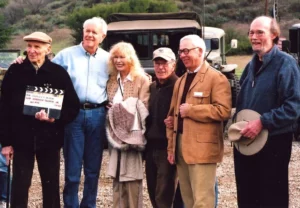
It Balances Comedy and Drama Without Compromising Either
MASH pioneered the dramedy format, but what makes it still impressive is how it refuses to dilute either comedy or drama for the sake of tonal consistency. The show can be genuinely hilarious in one scene and devastatingly tragic in the next without feeling schizophrenic. Most contemporary dramedies hedge their bets—the comedy is gentle enough not to undercut drama, and the drama is mild enough not to kill the comedy. MASH commits fully to both extremes, trusting that audiences can handle emotional whiplash.
The tonal shifts mirror actual human experience more accurately than consistent tone. Real life doesn’t maintain steady emotional registers—tragedy and comedy coexist, sometimes within minutes. MAS*H understood this and used tonal juxtaposition to enhance both elements. A hilarious prank becomes funnier when followed by a somber operating room scene because the comedy feels like necessary relief from horror. A tragic death hits harder after we’ve been laughing because we’ve been lulled into comfort before having it shattered.
This approach requires extraordinary writing skill and confidence. You can’t just alternate between comedy and drama—you need to understand how they interact, reinforce, and complicate each other. The show’s writers knew that humor makes tragedy bearable and that tragedy makes humor meaningful. Contemporary shows often keep comedy and drama in separate lanes, alternating between them rather than allowing them to truly interact and transform each other.
The Social Commentary Feels More Relevant Than Ever
While MAS*H ostensibly commented on the Korean War as metaphor for Vietnam, its critique of authority, bureaucracy, and institutional dysfunction speaks directly to 2025 frustrations. The show’s depiction of systems that prioritize procedures over people, protect incompetence through hierarchy, and demand compliance over competence resonates with anyone navigating modern workplaces, healthcare systems, or government institutions that seem increasingly divorced from their stated purposes.
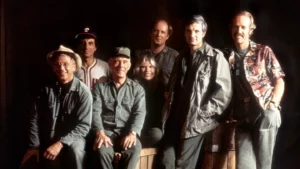
Episodes about supply shortages while officers worry about uniform regulations mirror contemporary experiences with healthcare systems that deny necessary treatment over paperwork technicalities. Storylines about military brass making decisions from comfortable offices while soldiers suffer consequences reflect ongoing frustrations with leadership classes insulated from the effects of their choices. The show’s savage indictment of systems that serve themselves rather than their missions applies to virtually every major institution in 2025.
What makes the commentary powerful is its specificity. Rather than making broad statements about “the system,” MAS*H shows exactly how dysfunction operates—how good people get ground down by bad processes, how mediocrity gets protected while excellence gets punished for not following proper channels, how the appearance of order matters more than actual effectiveness. These precise observations about institutional failure feel prophetic because they identified patterns that have only intensified over decades.
It Depicts Mental Health With Unprecedented Honesty
Long before mental health awareness became mainstream, MAS*H portrayed PTSD, depression, anxiety, and psychological trauma with nuance that most 2025 shows still can’t match. The series understood that mental health isn’t episodic—it’s ongoing reality woven into daily life. Rather than “very special episodes” about mental health, the show integrated psychological reality into virtually every story, showing how trauma accumulates and manifests in countless small ways.
The show’s portrayal of Hawkeye’s gradual psychological deterioration represents one of television’s most accurate depictions of cumulative trauma. His breakdown in the finale feels earned because we’ve watched him crack incrementally over eleven seasons—subtle changes in his humor’s edge, increasing reliance on alcohol, difficulty maintaining emotional distance from patients, and escalating desperation to maintain control through jokes that become less funny and more manic.
Contemporary shows often treat mental health as plot device—characters have breakdowns that get resolved within episodes or seasons, serving narrative purposes rather than depicting actual psychological reality. MAS*H understood that mental health doesn’t follow story arcs—it’s messy, nonlinear, and rarely resolves cleanly. Characters have good days and bad days. Therapy helps but doesn’t cure. Trauma resurfaces unexpectedly. This honest portrayal without tidy resolution respects both the subject matter and audiences’ intelligence.
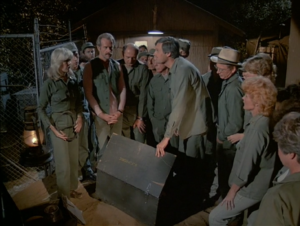
The Ensemble Cast Actually Functions as an Ensemble
MAS*H’s ensemble structure feels revolutionary compared to contemporary television’s tendency toward protagonist-centered storytelling. The show has leads, but every character receives development, screen time, and storylines that treat them as people rather than supporting players in someone else’s story. Episodes focusing on secondary characters don’t feel like obligatory “showcase episodes”—they’re natural explorations of a genuine community where everyone matters.
This ensemble approach required unusual writing discipline. Rather than defaulting to Hawkeye’s perspective or making him the solution to every problem, episodes distribute narrative focus across the cast. Some episodes barely feature the nominal leads, instead exploring supporting characters’ perspectives and experiences. This creates a richer, more complex world where the 4077th feels like an actual community with multiple centers of gravity rather than a backdrop for protagonist adventures.
Contemporary television economics often mandate central characters who can be marketed and positioned as the show’s “face.” This leads to ensemble shows in name only—supporting characters remain underdeveloped while leads dominate screen time and storylines. MAS*H proved that genuine ensemble storytelling attracts audiences precisely because it feels more real—actual communities don’t have main characters, they have interconnected people whose lives matter equally.
It Embraces Ambiguity and Moral Complexity
In an era of increasingly polarized discourse where everything must be clearly right or wrong, MAS*H’s embrace of moral ambiguity feels almost subversive. The show consistently presents situations where all choices have negative consequences, where good people do questionable things for understandable reasons, and where moral clarity is impossible. Rather than providing answers, it explores questions and trusts audiences to sit with discomfort.

Episodes like “Preventative Medicine” exemplify this approach—is it acceptable to harm one person to save many? The show presents compelling arguments on both sides and refuses to declare a winner. Hawkeye and B.J. disagree fundamentally, and the episode validates both positions while showing the consequences of the choice actually made. This moral complexity treats ethics as genuinely difficult rather than reducible to simple principles that clearly indicate correct action.
Contemporary television often feels obligated to signal moral positions clearly, afraid that ambiguity will be misinterpreted as endorsement of wrong choices. MAS*H had more confidence in audiences—it presented moral complexity without hand-holding, allowing viewers to struggle with questions rather than receiving answers. This approach honors the actual difficulty of ethical decision-making rather than pretending morality is simpler than it really is.
It Proves That Craft Still Beats Technology
MAS*H was made with 1970s technology and production techniques, yet it looks and feels more cinematic than many contemporary shows with vastly superior technical capabilities. The single-camera filming, natural lighting, and location shooting created visual richness that modern shows with digital cameras and CGI often can’t match. This demonstrates that craft, artistry, and creative vision matter more than technical sophistication.
The show’s visual storytelling demonstrates remarkable cinematographic skill. Camera placement conveys emotion and meaning. Framing creates visual metaphors. Lighting establishes mood. These fundamental filmmaking techniques create beauty and impact without requiring modern technology. Watching MAS*H reminds viewers that good cinematography isn’t about equipment—it’s about understanding how images tell stories and having the skill to execute that vision.
Contemporary television often seems to believe that better technology automatically produces better results. Shows feature elaborate CGI, complex camera moves, and technical wizardry that draws attention to itself without serving story. MAS*H’s relatively simple production approach focused on fundamentals—good writing, strong performances, thoughtful cinematography—proving that mastering basics creates better results than technical complexity without craft foundation.
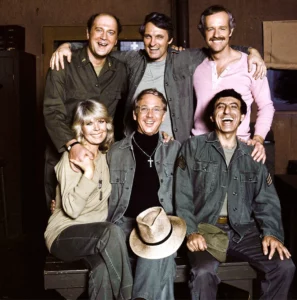
Why MAS*H Keeps Getting Better
The ultimate reason MAS*H still impresses is that it was made to last rather than to capitalize on current trends. The creators focused on timeless human experiences rather than topical references that would date quickly. They prioritized character depth over plot mechanics. They trusted their vision rather than chasing audience metrics. These choices created something that doesn’t just survive decades later—it thrives, becoming more impressive as its contemporaries fade and modern shows fail to match its achievements.
MASH proves that great television isn’t about production budgets, celebrity casting, or marketing campaigns. It’s about respect—for audiences, for craft, for subject matter, and for the medium itself. When you watch MASH now, you’re experiencing what television can achieve when creators prioritize artistry over algorithms, long-term vision over short-term gains, and meaningful stories over empty spectacle. That’s not just impressive—it’s essential viewing for understanding what the medium can be at its best.