Revisiting beloved television series often reveals layers of meaning invisible during initial viewing. MASH particularly rewards rewatching because the show’s complexity deepens with subsequent encounters. Understanding character development arcs, recognizing foreshadowing, and appreciating sophisticated writing becomes possible only through careful repeated viewing. These eight reasons demonstrate why rewatching MASH transcends simple nostalgia into genuine artistic rediscovery.
Many viewers haven’t encountered MASH since its original broadcast or initial cable reruns. Contemporary audiences deserve opportunity to experience this landmark series through modern streaming accessibility. Yet even longtime fans discover new dimensions through deliberate rewatching. The show’s sophisticated approach to character, narrative, and social commentary reveals new significance with each encounter.
1. Understanding Character Development Across Eleven Seasons
Initial viewing experiences character introductions and immediate personality traits. Rewatching allows appreciation of gradual character transformation across the series’ entire run. Hawkeye’s humor gradually shifts from defense mechanism to genuine coping strategy combined with authentic emotional vulnerability. Margaret evolves from perceived antagonist into respected professional and complex human being. Frank Burns transitions from simple comic relief into sympathetic figure whose rigidity masks genuine insecurity.
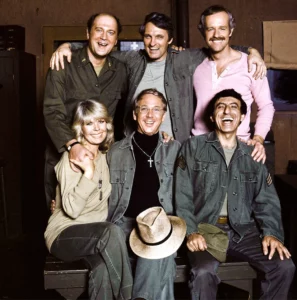
Character arcs in MASH don’t occur through sudden revelations or dramatic transformations. Instead, subtle shifts accumulate across seasons, creating genuine character growth. Rewatching with awareness of eventual development allows viewers to recognize earlier moments foreshadowing later changes. You notice when Margaret first demonstrates professional competence beneath her defensive charm. You recognize when Hawkeye’s jokes become increasingly desperate rather than simply amusing.
This sophisticated approach to character development teaches audiences important truths about human change. People don’t transform suddenly; they evolve through accumulating experiences and relationships. By rewatching, you appreciate how authentic character development actually functions—gradually, inconsistently, sometimes painfully.
2. Appreciating Writing Excellence Beyond Surface Entertainment
Initial viewing focuses on immediate entertainment value—the humor, the drama, the emotional reactions. Rewatching allows appreciation of sophisticated writing operating on multiple levels simultaneously. Episode plots contain obvious narrative arcs while simultaneously exploring deeper themes about war, mortality, institutional dysfunction, and human resilience.
The writers constructed episodes containing immediate entertainment appeal while embedding sophisticated commentary for attentive viewers. Dialogue functions simultaneously as character development and social criticism. Humor often masks profound philosophical questioning. What seems like simple plot resolution on first viewing reveals deeper complexity upon careful reexamination.
Rewatching with attention to writing craft reveals how MASH influenced subsequent television. The show demonstrated that popular entertainment and serious artistic expression need not contradict. You can create genuinely funny moments while exploring profoundly serious themes. You can entertain audiences while challenging their assumptions about fundamental human questions.
3. Recognizing Prescient Social Commentary
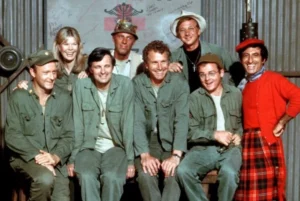
While set in Korea, MASH consistently addressed contemporary concerns during its original broadcast. Rewatching from the perspective of subsequent decades reveals how often the show anticipated social developments. Commentary about military mental health, institutional dysfunction, and war’s psychological costs anticipated contemporary emphasis on these topics by decades.
The show’s treatment of gender roles, particularly Margaret’s character development, preceded mainstream feminist television by years. Its willingness to question military authority during Vietnam War era represented genuine artistic courage. Its exploration of psychological trauma normalized discussions of mental health long before society generally acknowledged these issues.
Modern rewatching allows appreciation of how prescient the writers were. They recognized important issues before mainstream culture generally acknowledged them. The show’s social commentary remains perpetually relevant because it addressed fundamental human concerns rather than temporary cultural trends.
4. Understanding Historical Context and Cultural Significance
Initial viewing often occurs without awareness of cultural moment in which episodes originally aired. Rewatching allows research into historical context, understanding how specific episodes responded to contemporary events. Learning about production circumstances, network censorship challenges, and creator intentions enriches appreciation of what was accomplished.
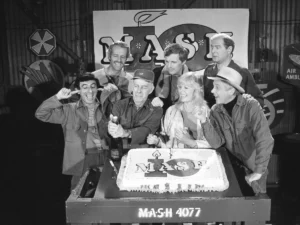
Understanding that MASH premiered during Vietnam War controversy contextualizes its anti-war perspective. Recognizing that final episodes aired during era increasingly recognizing PTSD and military mental health issues explains the show’s willingness to explore psychological trauma. Appreciating that early 1970s television rarely featured strong female characters makes Margaret’s development more remarkable.
Rewatching with historical awareness transforms viewing from simple entertainment into engagement with important cultural moment. You appreciate not simply what the show accomplished artistically but what it meant culturally and socially.
5. Experiencing Emotional Resonance Through Different Life Circumstances
The show’s thematic concerns—mortality, loss, connection, separation, meaning amid chaos—resonate differently depending on viewers’ life experiences. Someone rewatching after experiencing loss finds new meaning in episodes exploring grief. Someone who experienced military service recognizes authenticity in portrayal of institutional life. Someone processing relationship transitions finds Margaret’s journey particularly meaningful.
MASH functions as mirror reflecting viewers’ current circumstances back to them. The show’s fundamental humanness allows different audiences to find personal significance in different aspects. Rewatching after personal experiences creates opportunities for deeper emotional engagement with material addressing universal human concerns.
6. Appreciating Technical Excellence and Cinematography
Modern viewers accustomed to contemporary production values sometimes assume older television looks dated. Yet MASH’s cinematography demonstrates remarkable quality for its era. Rewatching with attention to visual storytelling reveals sophisticated use of camera, lighting, and composition. The show looks cinematic rather than simply “broadcast television.”
Production techniques considered revolutionary for 1970s television demonstrate artistic commitment beyond simple entertainment production. The opening theme sequence remains iconic precisely because it functions as genuine artistic statement rather than simple title card. Appreciating technical excellence across eleven seasons reveals commitment to maintaining quality throughout the series’ run.
7. Recognizing Ensemble Excellence and Ensemble Acting
Initial viewing focuses on standout performances or central characters. Rewatching allows appreciation of ensemble excellence—how every character contributes meaningfully to scenes. Supporting performances that initially seemed minor reveal depth and commitment. Understanding how ensemble acting functions at its finest educates viewers about collaborative artistic achievement.
The show demonstrates that ensemble excellence requires every performer to approach roles with equal commitment regardless of screen time. Guest actors appearing in single episodes deliver performances matching series regulars’ quality. This commitment to ensemble excellence influenced subsequent television, establishing standards for collaborative performance.
8. Rediscovering Why MASH Remains Culturally Significant
Rewatching after significant time provides perspective on what made MASH genuinely important beyond simple entertainment value. You recognize why the series influenced subsequent television, why it changed cultural conversations about war and mental health, why it remains meaningful decades after conclusion. Understanding its cultural significance requires stepping back and viewing it within broader entertainment and social context.
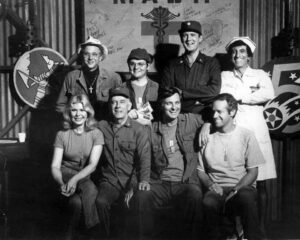
MASH demonstrated television’s capacity to address serious themes while entertaining audiences. It proved that popular entertainment could simultaneously challenge assumptions and provide escapist enjoyment. It established ensemble television as viable format. It normalized discussions of psychological trauma and military mental health. These accomplishments justified its status as culturally significant achievement.
Why Now Is Perfect for Rewatching
Contemporary accessibility through streaming services makes rewatching remarkably easy. Modern audiences can experience the series’ complete arc without waiting weeks between episodes. This accessibility combined with contemporary cultural concerns about military trauma, institutional dysfunction, and mental health creates perfect moment for MASH rediscovery.
The show’s fundamental insights about human nature remain perpetually applicable. Different generations will discover new significance based on their historical moment. Contemporary viewers struggling with questions about institutional authority, individual identity, and finding meaning amid chaos will recognize themselves in MASH’s exploration of these concerns.
Rewatching represents investment in understanding television’s potential as artistic medium. It means recognizing that entertainment and serious artistic expression need not contradict. It requires patience with slower pacing and acceptance that not every moment provides immediate excitement. But for viewers willing to engage seriously with the material, rewatching MASH offers rewards extending far beyond simple nostalgia.