On February 28, 1983, more than 106 million Americans gathered around their television sets to watch the final episode of MASH, making it the most-watched television broadcast in U.S. history at the time. Even today, more than four decades after its conclusion, MASH remains a cultural touchstone that continues to attract new generations of fans. The show’s enduring legacy raises a fascinating question: what transformed this Korean War comedy-drama into an immortal masterpiece that transcends its era? The answer lies in six revolutionary elements that fundamentally changed what television could accomplish.
It Masterfully Balanced Comedy and Tragedy
MAS*H achieved something unprecedented in television history—it made audiences laugh and cry within the same episode, sometimes within the same scene. This delicate balance between humor and heartbreak wasn’t just a stylistic choice; it reflected the actual psychological reality of people living through sustained trauma. The doctors of the 4077th used humor as a survival mechanism, cracking jokes while performing life-saving surgery, then confronting the devastating consequences when their efforts failed.
What made this balance revolutionary was the show’s refusal to compartmentalize emotions. Unlike other programs that featured “very special episodes” to address serious topics, MAS*H integrated comedy and drama seamlessly throughout its run. One moment, Hawkeye Pierce delivers a brilliant one-liner; the next, he’s holding a dying soldier’s hand. This approach reflected a sophisticated understanding of human psychology that television had rarely attempted before.
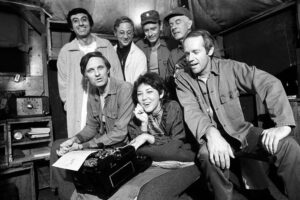
The creative team behind MASH, led by Larry Gelbart and later by Alan Alda and others, understood that comedy doesn’t diminish tragedy—it often makes it more bearable and therefore more accessible. By allowing audiences to laugh, the show created emotional space for viewers to then confront difficult truths about war, death, and human suffering. This technique has since been adopted by countless shows, from “The West Wing” to modern dramedies, but MASH pioneered this approach when television was still finding its voice.
It Evolved and Matured Alongside Its Audience
Most television shows establish a formula and stick with it, but MAS*H demonstrated remarkable courage in allowing its tone, characters, and storytelling approach to evolve dramatically over eleven seasons. The early episodes, influenced heavily by Robert Altman’s 1970 film, featured broader humor, more slapstick comedy, and a relatively light tone. As the series progressed, it became increasingly introspective, philosophical, and willing to confront war’s moral complexities.
This evolution wasn’t accidental—it reflected the creative team’s growing confidence and their recognition that audiences were ready for more sophisticated storytelling. Major Frank Burns, initially played as a buffoonish antagonist, was replaced by Charles Winchester, a complex character whose aristocratic facade concealed genuine humanity. Margaret “Hot Lips” Houlihan transformed from a one-dimensional caricature into one of television’s most fully realized female characters. Even Hawkeye, the show’s comedic anchor, revealed increasingly darker psychological shadows as the series progressed.
The willingness to let the show mature meant taking risks. Some fans preferred the lighter early seasons, but the creative evolution attracted new viewers and critical acclaim. By the final seasons, MAS*H was producing episodes like “Dreams” and “Goodbye, Farewell and Amen” that pushed television narrative boundaries, incorporating surrealism, extended character studies, and unflinching examinations of post-traumatic stress. This evolution demonstrated that television series could grow with their audiences rather than remaining static.
It Featured Groundbreaking Production Techniques
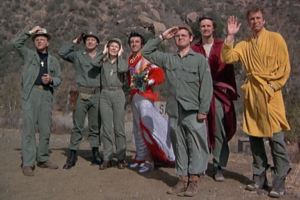
MAS*H revolutionized television production in ways that influenced countless shows that followed. The decision to film without a laugh track in certain episodes was radical for its time. When CBS executives initially resisted, the creative team fought back, arguing that adding canned laughter to operating room scenes was disrespectful to both the characters and real military medical personnel. Eventually, a compromise allowed laugh tracks to be removed from OR scenes, and later episodes eliminated them entirely in some markets.
The show also pioneered documentary-style filming techniques. “The Interview,” shot in black and white with handheld cameras, created a sense of authenticity that was revolutionary for scripted television. Episodes like “Point of View,” which showed an entire story from the perspective of a wounded soldier, demonstrated that television could employ cinematic techniques previously reserved for feature films.
Director and producer Gene Reynolds insisted on visual authenticity, consulting with Korean War veterans to ensure sets, costumes, and medical procedures reflected actual MASH unit conditions. This attention to detail extended beyond props to lighting, camera work, and editing. The show’s visual language became increasingly sophisticated, using long takes, meaningful silences, and visual metaphors that elevated television’s artistic potential.
It Tackled Social Issues Without Preaching
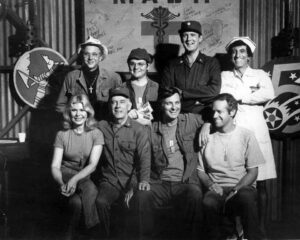
MAS*H addressed racism, sexism, military incompetence, PTSD, homosexuality, and the morality of war itself—topics that were controversial in 1970s America. What made the show’s social commentary effective was its integration into character-driven stories rather than heavy-handed messaging. When the show addressed racism through the character of Private Baker, a Black soldier dealing with discrimination, it didn’t present a simplistic morality tale. Instead, it explored the complex intersections of military hierarchy, racial prejudice, and individual dignity.
Similarly, the show’s treatment of women’s roles evolved significantly. Early seasons featured nurses primarily as romantic interests, but later episodes explored sexism in the military, professional competence, and the challenges women faced in male-dominated institutions. Margaret’s character arc became a vehicle for examining how women navigated professional respect while confronting institutional prejudice.
The show’s anti-war stance was clear but never simplistic. It didn’t portray soldiers as victims or heroes exclusively—they were complicated people doing impossible jobs. This nuanced approach allowed MAS*H to critique war’s futility without dishonoring those who served. The show’s writers, many of whom had military experience, brought authenticity to these explorations that resonated with veterans and civilians alike.
It Created Complex, Flawed, Unforgettable Characters
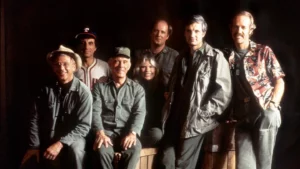
Television in the 1970s primarily featured archetypal characters—the lovable rogue, the stern authority figure, the comic relief. MAS*H shattered these conventions by creating psychologically complex characters whose flaws were as important as their virtues. Hawkeye Pierce wasn’t just a wisecracking surgeon; he was a brilliant doctor whose humor masked growing psychological damage. His alcoholism, womanizing, and increasing emotional fragility weren’t played for laughs—they were symptoms of a man slowly breaking under impossible pressure.
Every major character received this treatment. Colonel Potter was wise and steady, but episodes revealed his struggles with aging and relevance. Father Mulcahy questioned his faith and his purpose. Klinger’s attempts to get a psychiatric discharge through cross-dressing—initially played as broad comedy—gradually revealed a man desperate to return to a life that war had already fundamentally changed.
This character complexity allowed actors to deliver career-defining performances. Alan Alda’s portrayal of Hawkeye became increasingly layered, culminating in the series finale’s devastating examination of trauma and memory. Loretta Swit fought for Margaret’s dignity and won, transforming her character from a punchline into a powerful representation of professional women. These weren’t just roles—they were fully realized human beings.
It Knew When to End
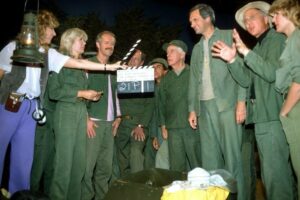
Perhaps MAS*H’s greatest achievement was recognizing that all stories must end, and having the courage to conclude on its own terms. While the show remained popular and profitable, the creative team decided that eleven seasons was enough. The two-and-a-half-hour finale “Goodbye, Farewell and Amen” provided closure for every character while acknowledging that war’s psychological impact continues long after the fighting stops.
This decision was revolutionary because television shows typically ran until ratings declined or were canceled abruptly. MAS*H demonstrated that planned conclusions could provide artistic satisfaction and emotional resonance impossible in shows that simply faded away. The finale’s record-breaking viewership proved audiences valued narrative completion and were willing to show up for meaningful endings.
The Enduring Legacy
These six elements—balanced tone, character evolution, technical innovation, thoughtful social commentary, psychological complexity, and narrative completion—transformed MASH from a television show into a cultural phenomenon that remains relevant decades later. New viewers discover the series through streaming platforms and recognize its themes as timeless. The show’s influence extends beyond entertainment into how we discuss war, trauma, friendship, and the human capacity for humor in darkness. MASH proved television could be art, and in doing so, changed the medium forever.