MASH mastered an incredibly difficult balance: delivering genuine humor while addressing profound human tragedy. The show’s comedy didn’t exist in isolation from its dramatic weight—instead, humor emerged organically from characters processing trauma through laughter. The six most hilarious moments between the doctors showcase why MASH’s comedy remains timelessly entertaining while serving deeper psychological and emotional functions.
The doctors’ humor in MASH operated as survival mechanism rather than simple entertainment. Facing death, suffering, and moral compromise daily, the surgical team used pranks, witty banter, and absurdist jokes to maintain psychological equilibrium. Their constant joking wasn’t callousness—it was evidence of their humanity. They refused to let war completely dehumanize them by maintaining the capacity to find absurdity and humor even in devastating circumstances.
1. The Elaborate Pranks on Frank Burns
Frank Burns became the perpetual target of the unit’s most elaborate pranks. Hawkeye and B.J. devoted remarkable energy to devising increasingly creative ways to mock and embarrass Frank. From fake telegrams to elaborate practical jokes, their pranks represented both genuine mockery and a coping mechanism for dealing with Frank’s rigid personality and moral judgments.
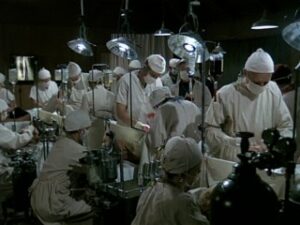
One particularly memorable prank involved convincing Frank that his love letters had been intercepted and distributed throughout the unit. The sequence escalates beautifully as Frank becomes increasingly panicked while Hawkeye and B.J. maintain straight faces describing imaginary chaos. The comedy derives from multiple layers: Frank’s gullibility, his panic about potential embarrassment, and the contrast between his rigid self-image and the vulnerability revealed by his love letters.
What makes these pranks especially funny is that they occur within a context of genuine danger and suffering. The doctors could be performing surgery instead of pranking Frank, yet they’re investing this energy in creative mockery. The absurdity of their priorities—pranking when there are wounded to treat—becomes part of the comedy. They’re laughing in the face of circumstances that would crush most people.
The pranks also reveal genuine affection beneath the mockery. Frank remains the target not because he’s truly disliked but because his rigidity makes him an easy target for humor. The pranks represent a strange form of friendship—the willingness to constantly mock someone demonstrates comfort and familiarity. Modern audiences recognize this dynamic as authentic male bonding through humor and creative ridicule.
2. The Mess Tent Conversations and Running Jokes
The mess tent served as central gathering point where doctors engaged in rapid-fire witty banter. These conversations move between serious topics and absurdist humor so seamlessly that audiences experience genuine whiplash. One moment they’re discussing surgical techniques, the next they’re debating whether Klinger’s latest outfit constitutes fashion or psychological warfare.
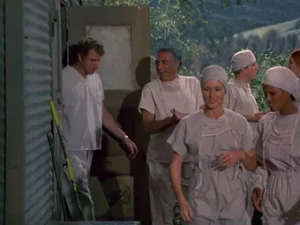
One particularly memorable sequence involves the doctors debating the quality of the unit’s food. Margaret describes the meat in increasingly creative ways, each description more insulting than the last. Hawkeye responds with equally creative insults. The exchange escalates into competition to devise the most creative food criticism. The humor derives from the shared recognition that the food is genuinely terrible, combined with their creative efforts to articulate exactly how bad it is.
These conversations showcase the show’s sophisticated comedy writing. The jokes don’t rely on slapstick or easy punchlines. Instead, humor emerges from character voices, rapid wit, and the contrast between their circumstances and their responses. Modern audiences appreciate this intelligent comedy—the recognition that the funniest moments come from authentic character interaction rather than forced humor.
The running jokes throughout the series demonstrate deep character understanding. References to specific pranks, favorite insults, and inside jokes accumulate throughout episodes and seasons. This layered approach to comedy rewards longtime viewers while remaining accessible to newcomers. The shared language of humor creates sense of community among the unit and between the show and its audience.
3. Klinger’s Fashion Statements and Cross-Dressing Comedy
Jamie Farr’s Klinger represented comedy gold through his increasingly elaborate attempts to get discharged. His outfit changes became more creative and outrageous with each episode. What begins as simple cross-dressing evolves into full-fledged fashion experimentation. Klinger appears in elaborate ball gowns, military drag complete with makeup and jewelry, increasingly creative combinations that defy categorization.
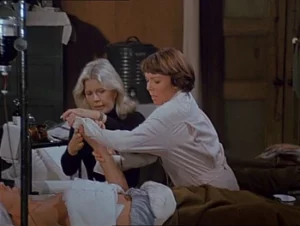
One memorable sequence features Klinger in an outfit so elaborate and incomprehensible that even Hawkeye and B.J. struggle to mock it effectively. Their attempts to identify what Klinger is wearing generate genuine comedy through their confusion and creative insult attempts. The absurdity of Klinger’s outfit creates comedy more effectively than simple cross-dressing jokes could.
What makes Klinger’s comedy particularly sophisticated is that it operates on multiple levels. On surface level, his outfits are absurdly funny. Yet beneath the comedy exists commentary on individual identity within institutional dehumanization. Klinger refuses to conform to military uniformity by asserting radical individuality through fashion. His comedy masks genuine psychological survival strategy.
Modern audiences appreciate that Klinger’s character evolved beyond pure comic relief. As the series progresses, his humanity becomes increasingly apparent. The comedy doesn’t disappear, but it gains emotional weight. Viewers laugh at his outfits while recognizing they represent desperate attempts to maintain psychological stability within impossible circumstances.
4. The Ridiculous Operating Room Banter During Surgery
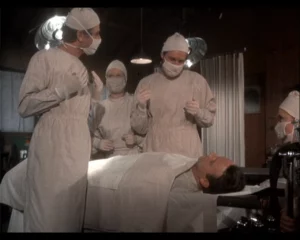
Some of MASH’s funniest moments occur during surgical sequences. Hawkeye and B.J. maintain constant witty commentary while performing delicate surgery. Their jokes range from terrible puns to observations about the absurdity of their circumstances. They simultaneously perform lifesaving medical procedures while delivering stand-up comedy routines.

One particularly memorable sequence features Hawkeye performing surgery while providing increasingly elaborate and terrible commentary on the procedure. His jokes become progressively worse as fatigue sets in. B.J. occasionally responds with equally terrible jokes, creating escalating cycles of creative badness. The humor derives from the contrast between their serious medical responsibilities and their ridiculous comedic commentary.
The operating room banter serves multiple functions. It keeps the doctors awake during exhausting shifts. It maintains psychological distance from the severe injuries they’re treating. It provides audiences with moments of levity within otherwise traumatic scenes. The ability to laugh while performing surgery demonstrates remarkable psychological resilience—the capacity to hold tragedy and humor simultaneously.
5. The Invention of Ridiculous Drinks and Food
The unit’s creative attempts to improve terrible food and create drinkable beverages generate wonderful comedy. The doctors experiment with various combinations, creating increasingly elaborate and questionable concoctions. Hawkeye and B.J. document their culinary experiments with scientific precision usually reserved for actual medical research.
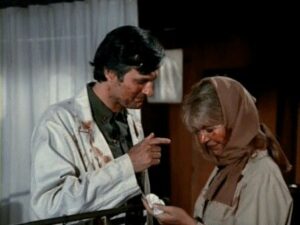
One memorable sequence involves their attempt to create alcohol from various unit supplies. The complicated process they devise, complete with elaborate equipment and careful documentation, mirrors legitimate scientific procedure yet targets the absurd goal of creating drinkable alcohol from garbage supplies. The comedy derives from their willingness to invest this energy and creativity in such frivolous pursuit.
These food and drink episodes showcase the writers’ understanding that humor can emerge from detailed examination of mundane concerns. By treating trivial matters with scientific seriousness, the show creates comedy through incongruity. Modern audiences appreciate this sophisticated approach to humor—the recognition that funny situations emerge from unexpected juxtapositions rather than obvious punchlines.
6. The Ridiculous Regulations and Military Bureaucracy
Some of MASH’s funniest moments involve the doctors’ encounters with military regulations and bureaucratic absurdity. Colonel Potter must navigate impossible regulations while maintaining unit morale. The contrast between military logic and human needs generates wonderful comedy.
One particularly memorable sequence involves a regulation that creates absurd consequences. The doctors must either follow the regulation or find creative loopholes. Their elaborate schemes to navigate bureaucratic impossibility become increasingly ridiculous. The humor derives from the recognition that military bureaucracy operates according to logic divorced from practical reality or human needs.
These bureaucratic comedy sequences serve dual purposes. They generate genuine humor while critiquing institutional absurdity. The show suggests that military hierarchies often make decisions that hinder rather than help their supposed mission. By presenting these critiques through humor rather than preaching, MASH makes its social commentary more palatable and effective.
Why MASH’s Comedy Endures
MASH’s humor remains timelessly entertaining because it emerges authentically from character and circumstance rather than relying on dated references or easy targets. The jokes don’t depend on understanding specific 1970s cultural references—instead, humor derives from universal human experiences of finding absurdity in terrible circumstances.
The show’s sophisticated approach to comedy—treating humor as psychological survival mechanism rather than simple entertainment—resonates across generations. Modern audiences recognize that people facing genuine trauma frequently use humor to process unbearable situations. MASH validates this response rather than mocking it, suggesting that laughter represents strength rather than callousness.
The doctors’ ability to maintain humor despite devastating circumstances teaches audiences important lessons about human resilience. They refuse to allow war to completely strip their humanity. They insist on finding moments of levity even while witnessing suffering. This balance between acknowledging tragedy and maintaining humor represents authentic human coping strategy.