MASH balanced tragedy and comedy with remarkable skill, but its funniest moments weren’t cheap laughs or simple slapstick—they were sophisticated humor born from intelligent people using wit and absurdity to maintain sanity in insane circumstances. The comedic chemistry between the 4077th’s doctors created some of television’s most memorable funny moments, scenes that remain hilarious decades later while revealing deeper truths about friendship, rebellion, and psychological survival. These six hilarious moments between MASH’s doctors demonstrate that comedy at its best doesn’t just make us laugh—it helps us survive and resist the things that threaten to break us.
The Still: Hawkeye and Trapper’s Entrepreneurial Masterpiece
Perhaps no recurring element of MAS*H generated more comedy than Hawkeye and Trapper’s homemade distillery hidden in the Swamp. The still itself became a character—a Rube Goldberg contraption of medical tubing, laboratory equipment, and dubious containers that produced “gin” of questionable quality but undeniable popularity. The various episodes featuring the still created comedy gold as the doctors protected their operation from Colonel Blake’s half-hearted enforcement attempts, negotiated with black market suppliers, and dealt with the occasionally explosive consequences of amateur distilling.
One particularly hilarious sequence involved Frank Burns discovering the still and demanding its destruction. Hawkeye and Trapper’s elaborate misdirection included creating a decoy still for Frank to triumphantly destroy while the real operation continued uninterrupted. The scene where Frank proudly displays the destroyed equipment to Henry Blake, only to be offered a martini minutes later made from gin produced by the still Frank thought he’d eliminated, perfectly captured the show’s comedic sensibility—smart, layered humor that rewarded attentive viewers.
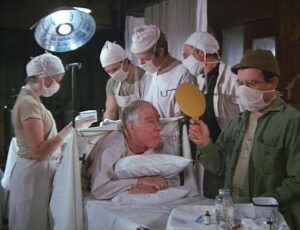
What made the still consistently funny was how it symbolized the doctors’ refusal to accept military deprivation and their creative problem-solving applied to non-medical challenges. These brilliant surgeons devoted the same ingenuity to alcohol production that they brought to lifesaving surgery, suggesting that maintaining morale and sanity required the same dedication as maintaining health. The still represented rebellion against military regulation, entrepreneurial spirit in impossible circumstances, and the human drive to find pleasure even in hell.
The comedy also came from the various disasters and near-disasters the still created. Explosions, foul-tasting batches, supply shortages, and suspicious visitors created endless complications that the doctors navigated with quick thinking and shameless lying. The ongoing nature of still-related storylines across multiple seasons created running jokes and callbacks that long-time viewers particularly appreciated, building comedic momentum that paid off repeatedly.
Winchester’s Opera Disaster
Charles Winchester’s sophisticated cultural pretensions provided rich comedic material, particularly when his attempts to bring high culture to the 4077th backfire spectacularly. In one memorable episode, Winchester’s attempt to enjoy opera recordings was systematically destroyed by Hawkeye and BJ’s increasingly absurd sabotage. What started as simple interference escalated into elaborate comedy as the doctors replaced opera records with everything from polka music to animal sounds, each substitution more ridiculous than the last.
The comedic genius of this storyline came from watching Winchester’s mounting frustration as his sanctuary of refinement was repeatedly violated. David Ogden Stiers played Winchester’s outrage with perfect theatrical excess—his horror at hearing barnyard noises instead of Puccini was genuinely funny because it was played completely seriously. The contrast between Winchester’s elevated language describing his suffering (“This is an assault on civilization itself!”) and the absurd reality of doctors arguing about opera in a war zone created sophisticated comedy about class, culture, and pretension.
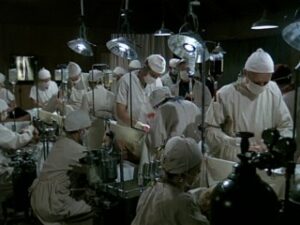
The payoff came when Winchester finally caught Hawkeye and BJ in the act, leading to a confrontation that somehow escalated into all three doctors singing opera at top volume in the middle of camp. This absurd conclusion transformed conflict into shared ridiculous moment, suggesting that even antagonism between the doctors contained affection and that their conflicts were performances they all enjoyed playing out.
Hawkeye and BJ’s Practical Jokes War
The escalating practical jokes between Hawkeye and BJ in later seasons created some of MAS*H’s most elaborately funny sequences. These weren’t simple pranks but sophisticated operations requiring planning, props, and perfect timing. One legendary exchange involved BJ replacing Hawkeye’s clothes with progressively smaller sizes, leading to Hawkeye struggling into garments that barely fit while maintaining complete denial that anything was wrong.
The comedy escalated as each doctor tried to out-prank the other. Hawkeye filled BJ’s surgical gloves with various substances. BJ rigged Hawkeye’s shower to produce unexpected results. The jokes became increasingly elaborate, recruiting other staff members and requiring engineering skills that suggested these brilliant surgeons maybe had too much time to think about revenge. The sequence where they turned the Swamp into a elaborate maze of tripwires and booby traps created physical comedy worthy of classic silent films while maintaining the show’s character-driven humor.
What made these practical joke wars consistently funny was how they revealed the depth of Hawkeye and BJ’s friendship. Only people who genuinely liked and trusted each other could engage in such sustained mutual harassment without damaging their relationship. The jokes became a language of affection, a way of maintaining connection and normalcy when the alternative was confronting war’s horror. Their laughter in the midst of planning revenge on each other provided relief from the operating room’s endless trauma.
The Doctors Vs. Frank Burns
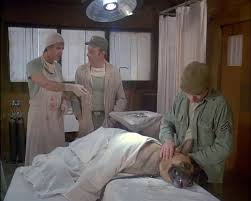
Major Frank Burns’ pompous incompetence made him the perfect comic foil for the other doctors’ elaborate torments. The various schemes Hawkeye, Trapper, and later BJ deployed against Frank created some of MAS*H’s most satisfying comedy because Frank’s self-righteous indignation made him such an enjoyable target. One particularly memorable sequence involved the doctors convincing Frank he was losing his hearing through elaborate coordinated whispering and pantomiming conversations he couldn’t hear.
Frank’s mounting panic as he struggled to follow conversations that seemed to be happening without sound, combined with his determination not to admit something was wrong, created brilliant physical comedy. Larry Linville played Frank’s confusion and frustration with perfect comic timing, making Frank simultaneously pathetic and hilarious. The eventual reveal—Hawkeye dramatically “curing” Frank’s hearing by loudly pretending to adjust his ears—was both ridiculous and strangely satisfying.
The comedy of tormenting Frank worked because Frank was portrayed as simultaneously dangerous (his medical incompetence risked lives) and ridiculous (his personal failings made him a clown). The other doctors’ pranks served dual purposes—they entertained themselves while also undermining Frank’s authority and keeping him off-balance enough that he couldn’t cause too much damage. The humor had purpose beyond laughs; it was psychological warfare against someone who shouldn’t have had the power he’d been given.
The Doctors Play Surgeon
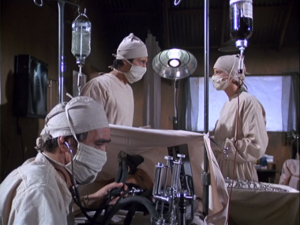
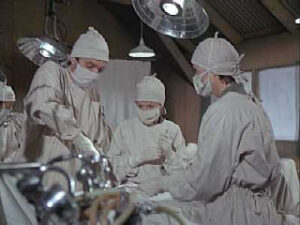
In various episodes, the doctors’ attempts to teach or perform for visiting dignitaries created comedy from the contrast between their actual competence and their deliberate absurdity. One brilliant sequence involved Hawkeye and Trapper performing surgery in evening gowns to mock a visiting general’s focus on appearance and protocol over medical competence. Their completely serious surgical technique combined with formal women’s wear created surreal comedy that made a serious point about military priorities.
The scene worked on multiple levels—physical comedy from the incongruous clothing, verbal comedy from their treating this as completely normal, and satirical comedy from the message about military dysfunction. The visiting general’s horrified confusion while watching these cross-dressing surgeons competently save a life perfectly captured MAS*H’s comedic philosophy: the absurd is often more rational than the supposedly rational.
Other teaching moments created similar comedy. Winchester attempting to demonstrate “proper” surgical technique while Hawkeye and BJ deliberately misunderstood his every instruction created humor from miscommunication and mutual mockery. The doctors’ collective decision to completely baffle visiting medical students with contradictory advice and nonsensical terminology demonstrated the joy they found in confusing people who took themselves too seriously.
Potter’s Painting Interrupted
Colonel Potter’s attempts to paint peaceful landscapes while chaos erupted around him created gentle recurring comedy that showcased Harry Morgan’s perfect timing. The various interruptions—emergencies, arguments, explosions—repeatedly destroyed Potter’s attempts at artistic tranquility, and his patient resignation to constant disruption generated laughs through repetition and Morgan’s subtle facial expressions.
One particularly funny sequence involved all the doctors eventually joining Potter to paint, each producing increasingly absurd artwork while seriously discussing technique and artistic vision. Their terrible paintings presented with complete sincerity, combined with Potter’s genuine attempts to provide constructive criticism, created humor from the contrast between their surgical brilliance and artistic incompetence. The scene concluded with them displaying their awful paintings with pride, suggesting that sometimes the attempt matters more than the result.
The Deeper Laughter
These six hilarious moments between MAS*H’s doctors demonstrate that the show’s comedy was never just about laughs—it was about survival, resistance, and maintaining humanity in dehumanizing circumstances. The doctors’ humor was a weapon against despair, a way of asserting their individuality against military conformity, and a language of friendship that sustained them through shared horror. Their pranks, jokes, and absurd moments created space for joy in circumstances designed to crush joy, proving that laughter might be humanity’s most powerful survival tool. These scenes remain funny decades later because they’re rooted in character, serve narrative purpose, and ultimately affirm that even in war’s darkest moments, human beings find ways to laugh—and that laughter matters.