Why MAS*H Remains Television’s Most Rewatchable Series
In an era of peak television where new shows debut constantly and streaming services overflow with content demanding our attention, revisiting a series that ended over four decades ago might seem like a step backward. Yet MASH stands as a monument to the possibilities of episodic television, a show that has aged remarkably well and, in many ways, has become even more relevant to contemporary audiences. The series’ exploration of trauma, humor as coping mechanism, the moral ambiguities of warfare, and the transformative power of human connection resonates with audiences today just as powerfully as it did when it first aired. For newcomers and longtime fans alike, there are compelling reasons to make MASH part of your viewing schedule this year.
1. A Master Class in Tonal Complexity
Perhaps the most striking aspect of MASH that justifies a rewatch is its extraordinary ability to navigate between wildly different emotional registers within single episodes. The show seamlessly transitions from hilarious comedy to profound tragedy, often without jarring the viewer or feeling manipulative. This tonal mastery represents a level of storytelling sophistication that many modern shows struggle to achieve. Where contemporary television often segregates its comedy and drama into separate episodes or seasons, MASH understood that real life doesn’t operate that way—joy and suffering coexist constantly, and great art must reflect that reality.
When you rewatch MAS*H, you’ll find yourself laughing heartily at a prank orchestrated by Hawkeye and B.J., then moments later experiencing genuine emotional devastation as those same characters grapple with their inability to save a patient. This emotional whiplash isn’t a flaw but rather the show’s greatest strength. It creates a viewing experience that feels authentic to human experience in ways that purely comedic or purely dramatic shows cannot achieve. The show trusts its audience to handle complexity, refusing to explain or over-justify the shifts in tone. This respect for viewer intelligence is refreshing in an entertainment landscape often dominated by shows that spell out every emotional beat.

2. Timeless Commentary on War and Its Consequences
While MASH is set during the Korean War, its commentary on the futility of conflict, the cost of warfare on those who fight it, and the moral compromises required to survive in combat zones speaks universally across time. Rewatching the series in today’s world, where military conflicts continue globally and conversations about veteran mental health remain urgent and necessary, reveals how prophetic the show’s concerns were. MASH didn’t shy away from depicting PTSD before it had become widely recognized and discussed. The show portrayed soldiers struggling with trauma, moral injury, and the difficulty of reintegrating into civilian life long before these topics became mainstream.
The series refused the temptation to glorify war or present it as noble sacrifice. Instead, it depicted warfare as fundamentally absurd, filled with bureaucratic incompetence, impossible ethical situations, and precious little glory. The show’s characters didn’t become heroes; they became people trying to survive and maintain their humanity in an inhuman situation. This unflinching perspective remains powerfully relevant. In a year when conversations about military intervention, veteran support, and the true costs of warfare continue to evolve, MAS*H offers insights and emotional truth that feel surprisingly contemporary.

3. Character Development Spanning Eleven Seasons
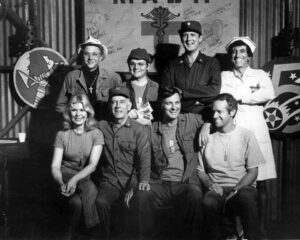
Few television series have the opportunity to develop characters across eleven seasons, and even fewer use that opportunity as effectively as MAS*H. Rewatching the series allows you to witness the gradual transformation of these characters in ways that feel organic and earned. Margaret Houlihan’s evolution from a caricature into a fully realized, complex woman stands as one of television’s greatest character arcs. Watching her journey across multiple seasons reveals how the show’s writers understood that people change through experience, that initial impressions can be misleading, and that growth is possible even in the most constraining circumstances.
Similarly, Frank Burns’ character development, though ultimately tragic, provides insight into how trauma and psychological fragility can manifest. Colonel Potter’s introduction in season five brings a different energy that allows the entire ensemble to shift and evolve. These character arcs remind viewers why investing in characters across multiple seasons creates emotional resonance that standalone episodes, no matter how brilliant, cannot achieve. The rewatch experience is enhanced immeasurably by knowing how characters will develop and looking back at earlier episodes with the knowledge of where they’ll eventually arrive.

4. Sharp, Intelligent Writing That Holds Up
The writing on MAS*H remains consistently sharp and intelligent in ways that justify repeated viewing. The show’s jokes don’t rely on outdated references or cultural moments that have lost their context. Instead, the humor emerges from character, situation, and genuine wit. The dialogue crackles with intelligence; characters speak in ways that feel natural yet elevated. Rewatching episodes reveals layers of humor and emotional complexity that you might have missed on first viewing. The show’s writers understood that comedy becomes richer when it emerges from character consistency and situation rather than from external gags or slapstick humor.
Beyond comedy, the dramatic writing achieves remarkable depth. The show explores complex moral questions without providing easy answers. Episodes dealing with the treatment of prisoners, decisions about who receives limited medical resources, and the personal costs of maintaining professional detachment all grapple with genuine ethical dilemmas. The writing respects the intelligence of its audience, trusting viewers to grapple with ambiguity rather than providing clear moral guidance.
5. An Antidote to Contemporary Television Excess
In an era of cinematic television with massive budgets, extended episode lengths, and serialized storytelling that requires sustained commitment, MAS*H offers something refreshingly different. Each episode stands on its own while also contributing to larger character development and thematic concerns. The show respects viewer time; episodes move efficiently without padding or excessive exposition. There’s no bloat, no unnecessary subplots, no tendency to stretch a simple story across multiple episodes for pacing purposes.
Rewatching MASH provides a reminder that television can be simultaneously entertaining and meaningful, funny and profound, accessible and intelligent. The show demonstrates that you don’t need enormous budgets or cutting-edge special effects to create something genuinely moving and enduringly relevant. In a year when many viewers feel overwhelmed by the sheer volume of content available, MASH offers the satisfaction of a complete, coherent artistic vision—a series that knew exactly what it wanted to say and said it brilliantly.
A Series That Rewards Revisiting
MASH endures as one of television’s greatest achievements not because it’s a relic of its era but because it transcends its era. Revisiting the series this year offers the opportunity to experience sophisticated storytelling, complex characters, genuine humor, and emotional depth that remains unmatched in television history. Whether you’re experiencing the series for the first time or returning to beloved episodes, MASH promises to engage, entertain, and move you in equal measure.