When Major Charles Emerson Winchester III first strutted into the 4077th Mobile Army Surgical Hospital, viewers groaned. Another pompous antagonist to replace the departed Frank Burns? Another elitist foil for Hawkeye and BJ to mock? But David Ogden Stiers had other plans. Over six seasons, Winchester transformed from a character audiences loved to hate into one they simply loved. His journey from insufferable snob to beloved ensemble member represents some of the finest character development in television history. Here are five compelling reasons why Charles Winchester deserves your affection and appreciation.
He Made Arrogance Entertaining and Oddly Endearing
Charles Winchester didn’t just think he was better than everyone—he often was, and he made sure you knew it. His verbose vocabulary, classical music references, and Boston brahmin accent could have been insufferable, yet Stiers played Winchester with such theatrical flair that his pomposity became strangely charming. When Winchester described his family’s summer estate or corrected someone’s grammar mid-surgery, viewers couldn’t help but laugh even while rolling their eyes.
What made Winchester’s arrogance lovable was its consistency and authenticity. He wasn’t pretending to be cultured—he genuinely valued refinement, education, and proper behavior. His standards applied to himself as rigorously as to others. When Winchester set formal dinner table in a tent, complete with candlelight and proper etiquette, it wasn’t mockery of his surroundings—it was his way of maintaining dignity and civilization in war’s chaos. This commitment to personal standards, however ridiculous in context, revealed admirable conviction.
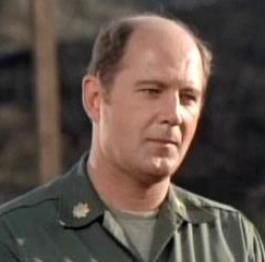
Winchester’s wordplay and linguistic precision provided some of MAS*H’s most memorable dialogue. His insults were masterclasses in creative language: “I’d like to say it’s been fun, but I’d hate to compromise my reputation for honesty.” His ability to verbally spar with Hawkeye elevated their conflicts from simple antagonism to intellectual dueling. Watching two intelligent people trade sophisticated barbs was infinitely more entertaining than Frank Burns’ whining incompetence ever was.
The key to Winchester’s likability despite his arrogance was self-awareness. He knew he was insufferable—he cultivated it deliberately as armor against a world he found frequently disappointing. This self-consciousness transformed arrogance from simple character flaw into complex coping mechanism, inviting empathy rather than just scorn.
His Hidden Kindness Revealed Profound Humanity
Winchester’s most defining characteristic was the dramatic contrast between his public persona and his private compassion. Unlike characters whose “hearts of gold” are eventually revealed and then worn openly, Winchester maintained his prickly exterior even after viewers discovered his secret generosity. This consistency made his kindness more powerful because it felt authentic rather than character rehabilitation.
The most iconic example remains “Death Takes a Holiday,” when Winchester anonymously donates precious chocolate to a local orphanage, demanding the orphanage director never reveal the source. When Hawkeye and BJ discover his charity, Winchester’s mortification isn’t comic—it’s genuinely painful. He protected his generous impulses as carefully as others protected their reputations, understanding that revealed kindness would threaten the armor that kept him safe.
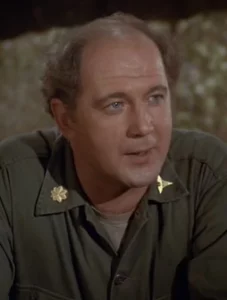
Another powerful demonstration came in “Run for the Money,” where Winchester privately tutored a Korean boy in English and Western culture. His genuine investment in the child’s education, his patience, and his disappointment when circumstances prevented the boy’s advancement revealed Winchester’s belief that education and opportunity should transcend class and nationality. This wasn’t noblesse oblige—it was genuine mentorship from someone who understood knowledge’s transformative power.
Perhaps most moving was Winchester’s relationship with a stuttering soldier in “Communication Breakdown.” Winchester, whose own sister stuttered, worked tirelessly to help this young man, drawing on personal experience and genuine empathy. The scene where Winchester explains his sister’s struggle, his voice stripped of usual pomposity, revealed vulnerability and compassion that transformed understanding of his character. His kindness wasn’t abstract charity—it was rooted in personal connection and authentic caring.
He Respected Excellence and Demanded It From Himself
Unlike Frank Burns, whose incompetence made him dangerous, Winchester was an exceptional surgeon whose skills matched or exceeded anyone at the 4077th. This competence fundamentally changed the show’s dynamics. Hawkeye and BJ couldn’t dismiss Winchester—they had to engage with an intellectual and professional equal who challenged them to maintain their own standards.
Winchester’s surgical excellence wasn’t just about ego. He genuinely believed that doing things properly mattered, that cutting corners diminished both the work and the person doing it. When Winchester insisted on correct procedures or criticized sloppy technique, he wasn’t being difficult—he was maintaining professional standards that saved lives. His perfectionism could be exhausting, but it came from legitimate commitment to excellence rather than simple spite.
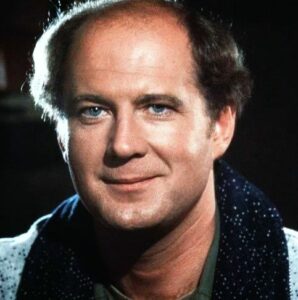
This dedication extended beyond medicine to every aspect of life. Winchester played French horn beautifully, knew wine, understood art and music, and could discuss literature with genuine insight. These weren’t affectations—they reflected a life dedicated to cultivating excellence across multiple domains. In a show that celebrated populism and common-man wisdom, Winchester represented the value of expertise, education, and disciplined pursuit of mastery.
Critically, Winchester’s respect for excellence included recognizing it in others. When he encountered the Chinese musicians in “Yalu Brick Road,” his immediate recognition of their talent and his willingness to share his precious music collection demonstrated that Winchester’s elitism wasn’t about birth or nationality—it was about respecting skill and artistry wherever he found them. This nuanced approach to merit made Winchester’s character far more complex than simple snobbery would allow.
His Vulnerability Made Him Heartbreakingly Real
Beneath Winchester’s aristocratic armor lived a deeply lonely, insecure man struggling to maintain identity in circumstances that stripped away all external markers of status. His vulnerability, revealed gradually across six seasons, transformed Winchester from antagonist to one of television’s most sympathetic characters.
Winchester’s greatest fear wasn’t death or injury—it was irrelevance and failure. His assignment to Korea represented professional humiliation, punishment for offending a superior officer. For someone whose identity was built on achievement and status, being exiled to a Mobile Army Surgical Hospital represented devastating failure. Every letter home, every attempt to secure transfer back to Boston, revealed Winchester’s desperate need to prove he belonged among the elite he’d been separated from.
His relationship with his family, particularly his sister Honoria, revealed unexpected depth. When Winchester spoke about his sister’s stutter and the cruelty she faced, his usual pomposity evaporated. These moments of unguarded honesty, where Winchester dropped his defensive superiority, were heartbreaking because they revealed the caring, frightened person beneath the theatrical persona.
Winchester’s loneliness was perhaps his most tragic quality. He desperately wanted friendship and respect but didn’t know how to ask for them without compromising his protective armor. Watch his interactions with Potter, Hawkeye, and BJ, and you’ll notice moments where Winchester almost connects, then retreats behind sarcasm or superiority. These near-misses were painful because Winchester’s isolation was largely self-imposed, yet he seemed incapable of lowering defenses enough to escape it. This psychological realism—the self-defeating patterns that keep us from connection—made Winchester profoundly relatable.
David Ogden Stiers Created Television Magic
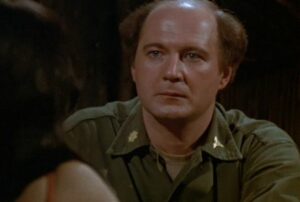
Finally, Winchester deserves love because David Ogden Stiers delivered one of television’s finest performances. Stiers brought intelligence, wit, and unexpected warmth to a character who could easily have been one-dimensional. His ability to shift from pompous buffoon to tragic figure, sometimes within the same scene, demonstrated remarkable range and emotional intelligence.
Stiers made deliberate artistic choices that enriched Winchester. That distinctive Boston brahmin accent wasn’t exaggeration—it was carefully modulated to suggest both Winchester’s background and his use of language as weapon and shield. His physical performance—the precise movements, the formal bearing, the way he held his body apart from others—created a character who seemed genuinely from a different world than his colleagues.
More importantly, Stiers found Winchester’s humanity. He approached the character as someone desperately trying to maintain identity in circumstances designed to strip it away. This empathetic interpretation elevated Winchester above caricature. Stiers refused to play Winchester as purely villainous or comic, insisting on moments of genuine emotion and vulnerability that made audiences care about this difficult, complicated man.
In interviews, Stiers discussed how Winchester’s journey reflected his own experiences feeling like an outsider. He brought that personal understanding to the role, creating a character whose isolation and longing for connection resonated universally. When Stiers passed away in 2018, tributes from cast members revealed the respect and affection he commanded—much like Winchester himself eventually earned from his 4077th colleagues.
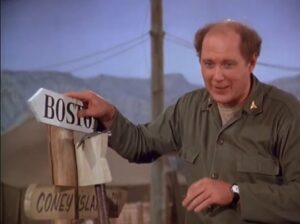
The Winchester Effect
Charles Emerson Winchester III proved that television characters don’t have to be likable to be lovable. He was arrogant yet compassionate, elitist yet vulnerable, insufferable yet essential. Winchester demonstrated that people can be complex bundles of contradictions—proud yet insecure, isolated yet desperate for connection, defensive yet capable of profound generosity. In a show filled with memorable characters, Winchester stands out because he earned affection despite, not because of, his personality. That’s a remarkable achievement, and it’s why this pompous, brilliant, secretly kind Boston surgeon deserves your love as one of MAS*H’s greatest and most human characters.