The Heart Behind the Teddy Bear
In a surgical unit filled with wise-cracking doctors, battle-hardened nurses, and eccentric officers, one young corporal managed to steal every viewer’s heart. Radar O’Reilly, the baby-faced company clerk who slept with a teddy bear and could hear helicopters before anyone else, became the emotional anchor of MAS*H. While Hawkeye delivered the zingers and Potter commanded respect, it was Radar who reminded us of innocence, loyalty, and humanity amidst the chaos of war. His departure from the series remains one of television’s most tearful moments, proving just how deeply audiences connected with this gentle soul from Ottumwa, Iowa.
Reason 1: Radar’s Innocence Was a Breath of Fresh Air
MAS*H existed in a world soaked with cynicism, where doctors drank to forget and used humor as armor against horror. Then there was Radar—wide-eyed, earnest, and genuinely good. His innocence wasn’t naivety; it was a conscious choice to remain hopeful despite surrounding darkness. When he clutched his teddy bear at night, it wasn’t played for cheap laughs. It represented his refusal to let war harden his heart completely.
Gary Burghoff portrayed this innocence with remarkable authenticity. Radar’s shocked reactions to the surgeons’ more colorful language, his bashful responses to romantic situations, and his childlike excitement over simple pleasures created a character who felt real rather than cartoonish. In an environment where everyone else had developed thick emotional armor, Radar remained vulnerable—and that vulnerability made him relatable to millions of viewers who also felt overwhelmed by life’s harsh realities.
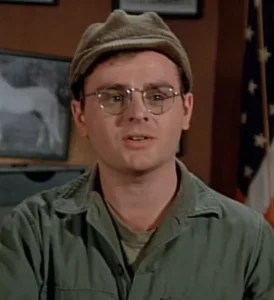
His famous Grape Nehi obsession perfectly symbolized this innocence. While others drowned their sorrows in martinis, Radar sipped purple soda like a kid at a drugstore counter. This simple detail spoke volumes about who he was and what he represented—a reminder that not everything beautiful has to be destroyed by circumstance.
Reason 2: His Psychic Abilities Made Him Indispensable and Magical
Radar’s supernatural ability to anticipate Colonel Blake’s orders, hear incoming choppers before they were audible, and sense exactly what people needed became one of the show’s most charming running gags. But it was more than comedy—it was magical realism in a war drama. His precognition transformed mundane military bureaucracy into something almost mystical.
The iconic scenes of Radar finishing Henry Blake’s sentences before they were spoken showcased the deep connection between them. It wasn’t just about completing orders; it demonstrated intuitive understanding and genuine care. Radar didn’t just work for Henry—he protected him, anticipated his needs, and made the chaotic camp function smoothly through seemingly supernatural efficiency.
These psychic moments also provided perfect comic relief. The image of Radar suddenly announcing “Choppers!” seconds before anyone else could hear them became as reliable as Hawkeye’s martinis. Yet the show never explained this ability, never tried to rationalize it. Radar simply had a gift, and everyone accepted it. This touch of whimsy in an otherwise grounded show made the 4077th feel like a place where small miracles could happen even during wartime.
Reason 3: His Relationship with Colonel Blake Defined Loyalty
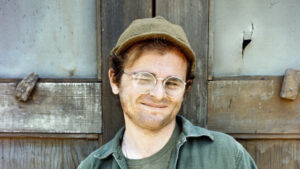
The father-son dynamic between Henry Blake and Radar O’Reilly gave MAS*H some of its most touching moments. Henry was the bumbling, fishing-obsessed commanding officer who desperately missed home, while Radar was the dutiful surrogate son who kept him organized and grounded. Their relationship transcended military hierarchy and became something profoundly human.
Radar’s devotion to Henry was absolute. He protected his colonel from paperwork nightmares, covered for his mistakes, and genuinely worried about his wellbeing. When Henry struggled with command decisions, Radar offered quiet support. When Henry needed someone to talk to about missing his family, Radar listened with the empathy of someone who understood homesickness intimately.
The devastating aftermath of Henry Blake’s death revealed the depth of this bond. Radar’s tearful announcement in the operating room remains one of television’s most powerful moments precisely because we understood what Henry meant to him. It wasn’t just losing a commanding officer—it was losing a father figure, mentor, and best friend. Gary Burghoff’s raw performance in that scene broke hearts worldwide and demonstrated why Radar had become indispensable to the show’s emotional core.
Reason 4: He Represented Every Small-Town Kid Thrown Into War
Radar embodied the experience of countless young Americans drafted into conflict they barely understood. He arrived at the 4077th straight from Iowa farm country, completely unprepared for what awaited him. His journey from scared farm boy to capable company clerk mirrored the experience of an entire generation forced to grow up too fast.
His letters home to his mother revealed a young man trying to maintain connection to the innocent life he’d left behind. His concern about his uncle’s farm, his mother’s health, and the everyday minutiae of Ottumwa life grounded the show in relatable domesticity. While the doctors were career military or draftees with professional skills, Radar represented the ordinary kid next door suddenly thrust into extraordinary circumstances.
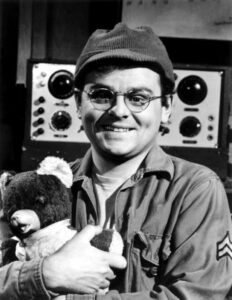
This everyman quality made his struggles resonate universally. When he felt overwhelmed, viewers felt it. When he accomplished something beyond his confidence level, we cheered. His gradual maturation throughout the series—learning to stand up for himself, taking on more responsibility, eventually leaving to care for his family—represented the bittersweet coming-of-age that war forced upon an entire generation.
Reason 5: Gary Burghoff’s Performance Created Television Magic
Gary Burghoff didn’t just play Radar O’Reilly—he inhabited him so completely that the character felt like a real person we knew personally. His performance balanced comedy and pathos with extraordinary skill, making Radar simultaneously hilarious and heartbreaking. Burghoff brought subtle nuances to every scene, from the way Radar nervously adjusted his glasses to the distinctive nasal voice that became instantly recognizable.
What made Burghoff’s portrayal truly special was his commitment to Radar’s authenticity. He refused to let the character become a one-dimensional comic relief. In scenes requiring emotional depth, Burghoff delivered performances that rivaled any dramatic actor. His tearful goodbye scene, his moments of quiet desperation, and his expressions of pure joy all felt genuine because Burghoff never condescended to the character.
The actor’s decision to leave the series at the height of its popularity, when Radar’s presence seemed essential, demonstrated his integrity. Burghoff recognized when the character’s story had been told and chose artistic truth over financial security. His departure left a void that no replacement character could fill, proving just how singular his creation had been.
Conclusion: Why Radar’s Legacy Endures
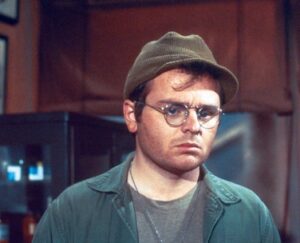
Decades after MAS*H ended, Radar O’Reilly remains one of television’s most beloved characters because he represented something increasingly rare—uncynical goodness. In a medium that often rewards snark and irony, Radar’s earnest sweetness stands as a testament to the power of authentic kindness. He proved that strength doesn’t require hardness, that innocence isn’t weakness, and that maintaining hope in hopeless situations is the bravest act of all.
For fans who grew up with MAS*H, Radar wasn’t just a character—he was a friend, a reminder of our better selves, and proof that goodness can survive even in war’s darkest corners. That’s why we love him still.