MASH achieved something remarkable in television history: it balanced comedy and drama so skillfully that audiences never knew whether they would laugh or cry during any given episode. Among the show’s greatest achievements were the deeply emotional moments between characters that revealed the profound bonds formed under extraordinary circumstances. These five unforgettable moments between main characters demonstrated why MASH transcended typical entertainment to become a cultural touchstone that explored the depths of human connection, sacrifice, and love amid the chaos of war.
The Vulnerability Behind Hawkeye’s Humor
Throughout the series, Captain Hawkeye Pierce used humor as both shield and sword, deflecting attention from his genuine emotional pain through constant jokes and pranks. One particularly poignant moment came when Hawkeye’s carefully constructed comedic defense mechanisms finally crumbled, revealing the wounded man beneath the witty exterior. A scene showing Hawkeye confessing his fears to a fellow officer demonstrated that even the strongest personalities carry invisible burdens. This moment resonated powerfully because viewers realized that humor, while essential for survival, sometimes masks profound suffering. The emotional vulnerability Hawkeye displayed showed that seeking help and admitting weakness represent strength rather than failure. This character development transformed Hawkeye from simply the show’s comedic engine into a fully realized human being struggling with real psychological challenges.

Margaret and Charles: Mutual Respect Across Differences
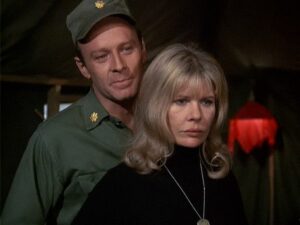
The relationship between Major Margaret Houlihan and Major Charles Winchester evolved beautifully throughout the series. What began as professional respect gradually deepened into genuine friendship, culminating in moments of extraordinary emotional intimacy. One memorable scene showed Margaret and Charles discussing their lives, dreams, and the isolation they felt despite being surrounded by people. Margaret revealed her insecurities about maintaining her professional reputation while yearning for personal connection, while Charles admitted that his aristocratic pretenses masked deep loneliness. These conversations illustrated how two fundamentally different personalities found common ground through shared understanding of their circumstances. Their relationship proved that meaningful connections form not between identical people but between those willing to see past surface differences to recognize shared humanity.
B.J. and Hawkeye: The Power of Friendship
The friendship between Captain B.J. Hunnicutt and Captain Hawkeye Pierce formed the emotional core of the series. One particularly touching moment occurred when B.J. faced the possibility of discharge, forcing both characters to confront the temporary nature of even the deepest wartime bonds. As they reflected on their experiences together, viewers witnessed the genuine affection these men had developed through shared trauma and mutual support. The scene avoided sentimentality while remaining profoundly moving, demonstrating that friendship between men could be expressed through actions and unspoken understanding rather than overt emotional declarations. This moment acknowledged that some relationships, though not permanent, leave indelible marks on our lives. The bond between Hawkeye and B.J. suggested that meaningful connections don’t require lifetime commitment to be valuable and transformative.
Colonel Potter’s Fatherly Wisdom
Colonel Sherman Potter emerged as a father figure for the younger officers, and several moments showcased this dynamic beautifully. One scene depicted Potter counseling a young officer facing an impossible moral decision, offering wisdom earned through decades of military and medical experience. Potter’s calm, measured response demonstrated that leadership sometimes means simply listening without judgment and providing perspective. Another touching moment showed Potter writing letters home to his wife while struggling with homesickness and the weight of command. These scenes revealed that even experienced, respected authority figures experience vulnerability and longing. Potter’s mentorship transcended military hierarchy, representing genuine care for subordinates’ wellbeing and psychological health. His willingness to admit his own struggles while offering guidance to others established him as a leader worthy of respect and affection.

Klinger’s Hidden Depth
Corporal Maxwell Klinger initially appeared as comic relief, desperately seeking discharge through increasingly outlandish cross-dressing schemes. However, the series gradually revealed that beneath Klinger’s theatrical exterior existed a genuinely caring individual desperate to escape an intolerable situation. One particularly moving moment showed Klinger comforting a distressed soldier, revealing compassion that contradicted his clownish public persona. Later scenes demonstrated Klinger’s intelligence, loyalty, and genuine affection for his unit members. His character arc illustrated that people often present false fronts to protect themselves or cope with circumstances beyond their control. As viewers understood Klinger’s true nature, they recognized that judging people solely on surface presentation obscures their actual character and capabilities. Klinger’s emotional development proved that MAS*H was invested in showing every character as complex, multifaceted individuals deserving of respect and understanding.
Margaret’s Evolution from Antagonist to Beloved Character
Major Margaret Houlihan’s transformation throughout the series represented one of television’s most successful character arcs. Early characterization as the rigid, by-the-book officer gradually revealed deeper dimensions as the series progressed. Touching moments showed Margaret struggling to balance military professionalism with personal desires, confronting the sacrifices her commitment to duty demanded. One particularly emotional scene depicted Margaret reflecting on opportunities for personal happiness she had sacrificed for her career. Rather than presenting this as a straightforward tragedy, the scene acknowledged that meaningful choices often involve trade-offs, and that personal sacrifice can represent its own form of heroism. Margaret’s character suggested that even people whose initial presentation seems unsympathetic deserve compassion and understanding.
The Collective Family Dynamic
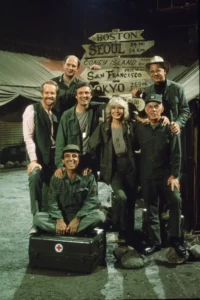
Perhaps the most touching aspect of MAS*H involved the moments emphasizing how the 4077th functioned as an extended family. Scenes showing characters celebrating birthdays, commemorating departures, or supporting each other through personal crises demonstrated that humans naturally form profound bonds regardless of how temporary circumstances might be. These ensemble moments acknowledged that war forces strangers to become family through shared experience and mutual dependence. The emotional authenticity of these interactions explained why millions of viewers felt genuine connection to these fictional characters and experienced real grief when the series concluded.
Why These Moments Transcended Entertainment
The five heartbreaking character moments in MASH succeeded because they never sacrificed authenticity for emotional manipulation. The show trusted viewers to engage with complex emotions and nuanced character development. These scenes didn’t resort to melodrama or obvious sentiment; instead, they presented genuine human moments reflecting how real people experience connection, vulnerability, and growth. This approach created lasting emotional resonance that allowed MASH to maintain relevance decades after its original broadcast.