The genius of MAS*H lay not just in its dramatic depth but in its understanding that humor becomes essential when facing unbearable circumstances. Nowhere was this more evident than in the relationships between the camp’s surgeons—brilliant doctors who channeled their stress, frustration, and exhaustion into elaborate pranks, witty banter, and comedic warfare that kept them sane while saving lives. The chemistry between Hawkeye Pierce, Trapper John McIntyre, BJ Hunnicutt, and later Charles Winchester created some of television’s most memorable comedy, proving that laughter truly can be the best medicine even in the worst situations.
These weren’t just throwaway gag scenes designed to fill time between serious moments. The comedy between the doctors revealed character, built relationships, and demonstrated how intelligent people cope with trauma through creativity and camaraderie. Their pranks required planning and teamwork. Their jokes demanded wit and perfect timing. Their ability to find humor in darkness showed resilience that was just as heroic as their surgical skill. These five moments showcase the doctors of MAS*H at their comedic finest, reminding us why their friendship and rivalry created television magic.
The Great Shrinking Winchester Prank
Few pranks in MAS*H history achieved the elaborate perfection of Hawkeye and BJ’s scheme to convince Charles Winchester that he was physically shrinking and then expanding. The setup was brilliant in its simplicity—they secretly replaced Charles’s clothing with progressively larger sizes, then switched to smaller sizes after he’d become thoroughly alarmed about apparently losing weight and height. Charles, always concerned with appearance and propriety, completely fell for the deception.

The comedy worked on multiple levels. First, there was the physical humor of watching David Ogden Stiers portray Winchester’s growing panic as his clothes seemed to fit differently each day. His increasingly frantic attempts to understand what was happening to his body showcased Stiers’ brilliant comedic timing. Second, the prank revealed the surgeons’ dynamics—Hawkeye and BJ’s perfect partnership in executing complex schemes, and Winchester’s vulnerability beneath his pompous exterior. Finally, Winchester’s eventual realization and grudging admiration for the prank’s cleverness demonstrated the respect these doctors had for each other’s intelligence even while tormenting one another.
The scene where Winchester finally discovered the deception—finding both oversized and undersized clothing hidden in their tent—remains one of MAS*H’s funniest moments. His outrage mixed with reluctant appreciation for their ingenuity perfectly captured the love-hate relationship between the camp’s surgeons. They drove each other crazy, yet their shared intelligence and dark humor created bonds stronger than surface antagonism suggested.
Hawkeye’s “The Joker Is Wild” Master Prank
When BJ claimed he could pull off a prank that would fool the legendary prankster Hawkeye Pierce, he set in motion one of the series’ most elaborate comedy storylines. The episode “The Joker Is Wild” brilliantly explored Hawkeye’s growing paranoia as he waited for BJ’s inevitable prank, seeing potential jokes in every innocent occurrence. The genius was that BJ’s actual prank was simply making Hawkeye paranoid—the waiting itself was the joke.
Mike Farrell and Alan Alda played their roles perfectly throughout the episode. BJ maintained innocent composure while dropping subtle hints that made Hawkeye increasingly suspicious. Hawkeye’s descent into prank-induced paranoia showcased Alda’s physical comedy skills as he checked his food for tampering, inspected his bed for booby traps, and generally saw pranks everywhere he looked. The other camp members, aware of BJ’s scheme, added to Hawkeye’s confusion with their own mysterious behavior.
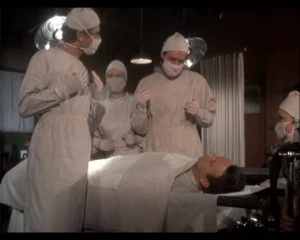
The payoff came when Hawkeye finally realized the truth—BJ’s prank wasn’t something he did but rather the anticipation itself. The psychological warfare aspect elevated this beyond simple physical pranks into something more sophisticated. It demonstrated that these surgeons’ intelligence made their comedy sharper and their friendship more complex. They understood each other well enough to know that for someone like Hawkeye, the anticipation of a prank could be more maddening than any actual joke. The episode proved that sometimes the funniest moments come from character understanding rather than sight gags.
Winchester’s French Horn vs. The Swamp Rats
Charles Winchester’s arrival brought a new dynamic to the surgeons’ tent—his refined sensibilities and dedication to classical music immediately clashed with Hawkeye and BJ’s more casual approach to life. The ongoing conflict over Charles’s French horn practice created sustained comedy across multiple episodes, reaching peak hilarity when Hawkeye and BJ finally enacted their revenge for the unwanted morning concerts.
The doctors’ war over the French horn showcased different comedy styles coexisting beautifully. Charles’s sincere love of music and genuine skill collided with his bunkmates’ desperate need for sleep and peace. David Ogden Stiers actually learned to play the French horn for his role, adding authenticity to scenes where Charles passionately defended his musical practice. Hawkeye and BJ’s increasingly creative attempts to sabotage or interrupt these performances demonstrated their resourcefulness and partnership.
The climax came when Hawkeye and BJ enacted elaborate revenge involving the French horn itself. Their scheme combined mechanical ingenuity with perfect timing, resulting in Charles’s humiliation and their temporary victory in the ongoing war. Yet even in defeat, Charles maintained his dignity, and the doctors’ relationship emerged stronger. The conflict over the French horn represented something deeper—different people finding ways to coexist in impossible circumstances, using humor and pranks to negotiate boundaries and express affection through antagonism.

The “Tuttle” Con and Hawkeye’s Elaborate Fiction
In one of MAS*H’s most famous early episodes, Hawkeye and Trapper invented a completely fictional officer named Captain Tuttle to collect extra supplies and create a fund for helping Korean orphans. What started as a simple scam quickly spiraled into elaborate comedy as the entire camp began treating Tuttle as real, adding their own details to his fictional biography until he became the camp’s most respected—and entirely imaginary—officer.
The comedy genius lay in watching Hawkeye and Trapper struggle to maintain their fiction as it took on its own life. Father Mulcahy wanted to meet the saintly Captain Tuttle. Frank and Margaret wanted to reward him for his charitable works. The more virtuous everyone believed Tuttle to be, the more complicated maintaining the lie became. Alan Alda and Wayne Rogers played the escalating situation perfectly, their panic and improvisation creating sustained hilarity.
The episode’s climax—when they “killed” Tuttle in a helicopter accident to end the charade—provided both comedy and surprising poignancy. Father Mulcahy’s eulogy for a man who never existed somehow became genuinely moving, even as the audience knew the truth. The episode showcased MAS*H’s unique ability to blend comedy and philosophy, using a farcical situation to explore questions about the nature of reality and whether an idea can be more powerful than actual people. It also demonstrated the perfect partnership between Hawkeye and Trapper, their shared mischievous intelligence creating elaborate schemes that entertained themselves and viewers.

Adam’s Ribs and Hawkeye’s Magnificent Obsession
Few episodes capture pure comedic escalation better than “Adam’s Ribs,” where Hawkeye’s complaint about the monotonous camp food evolved into an obsessive quest to have ribs shipped from his favorite Chicago restaurant to Korea. What began as casual griping transformed into magnificent madness as Hawkeye became increasingly manic about obtaining these ribs, eventually ordering and receiving them via military transport across thousands of miles.
Alan Alda’s performance elevated what could have been simple one-note comedy into something approaching beautiful insanity. Hawkeye’s rants about the camp’s food became increasingly elaborate and poetic, his descriptions of Adam’s Ribs achieving almost religious fervor. The other doctors’ reactions—initially dismissive, then bemused, finally concerned as Hawkeye’s obsession intensified—added layers to the comedy. BJ and the others oscillated between enabling Hawkeye’s madness and worrying about his mental state.
The episode’s triumph came when the ribs actually arrived, and the entire camp gathered for the feast. The moment validated Hawkeye’s absurd determination while also gently mocking it. The ribs were good, certainly, but could they possibly justify the elaborate insanity required to obtain them? The episode suggested that in war’s grinding monotony, sometimes people need magnificent obsessions—harmless fixations that give life meaning and provide goals beyond just surviving another day. Hawkeye’s quest for ribs became about asserting some control over his circumstances, using humor and determination to push back against war’s dehumanizing effects.
Why These Moments Matter Beyond the Laughs
These five comedy moments represent something more significant than just funny scenes in a popular television series. They showcase how intelligence, creativity, and camaraderie help people survive unbearable circumstances. The doctors’ pranks and schemes weren’t escapes from their reality but ways of engaging with it—transforming stress into competition, channeling fear into creativity, and building relationships through shared mischief.
The comedy between MAS*H’s doctors also revealed character in ways serious scenes sometimes couldn’t. Hawkeye’s elaborate schemes showed his need for control and creative outlets. BJ’s quiet competence at pranking demonstrated depths beneath his family-man exterior. Winchester’s reactions to being pranked revealed vulnerability under his aristocratic armor. Trapper’s partnership with Hawkeye in early seasons established the template for surgeon bonding through mischief.
Modern television owes enormous debt to MAS*H’s sophisticated comedy. The show proved that sitcoms could feature intelligent humor that respected both characters and audience. The doctors’ pranks required planning, teamwork, and wit—they weren’t just slapstick but elaborate performances that demonstrated these characters’ intelligence and creativity. This approach influenced countless shows that followed, establishing that comedy could coexist with drama and that funny characters could also be complex, capable people.
The chemistry between the actors made these moments sing. Alan Alda, Wayne Rogers, Mike Farrell, and David Ogden Stiers brought genuine comic timing and ensemble generosity to every scene. They understood that great comedy requires perfect reactions as much as perfect jokes—the straight man matters as much as the joker. Their willingness to look foolish, support each other’s moments, and commit fully to even the most absurd situations created comedy that remains fresh decades later.
These hilarious moments between MAS*H’s doctors remind us that laughter truly is essential medicine, that friendship can flourish even in terrible circumstances, and that intelligent people coping with trauma often create the most sophisticated comedy. The 4077th’s surgeons didn’t just save lives—they also saved each other’s sanity through pranks, jokes, and the kind of creative mischief that only genuine friendship makes possible.