Father Mulcahy stands as one of television’s most beloved supporting characters, bringing warmth, wisdom, and unexpected hilarity to MASH’s chaotic military hospital. While the show’s main characters carried much of the comedic load, Mulcahy’s unique position as the regiment’s spiritual advisor created opportunities for humor that couldn’t exist elsewhere. His interactions with the doctors—particularly Hawkeye and B.J.—generated some of the series’ funniest moments precisely because they balanced comedy with genuine affection and mutual respect. These five moments showcase why Father Mulcahy transcended the typical “chaplain” archetype to become an integral part of MASH’s comedic fabric.
The Complexity of Comedy Through Faith
Father Mulcahy’s humor worked differently than typical MASH comedy because it operated within constraints. As a priest, he couldn’t participate in certain activities without compromising his character. This limitation paradoxically created more opportunities for comedy. When Mulcahy found himself drawn into the doctors’ schemes, participated despite his better judgment, or delivered withering observations about their behavior, the humor landed harder because it contradicted expectations about religious figures.
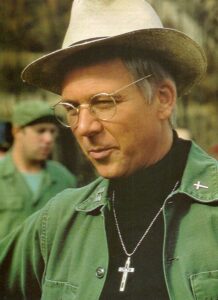
The show’s writers recognized that Mulcahy’s faith didn’t make him boring or preachy. Instead, they portrayed a man navigating the contradiction between spiritual calling and human impulse. He wanted to join their poker games, appreciated their jokes, and occasionally bent rules—but ultimately returned to his principles. This internal conflict generated comedy that felt honest rather than forced.
The Poker Game Dynamics
Father Mulcahy’s involvement in the doctors’ famous poker games provided consistent comedic gold. These weren’t particularly high-stakes games by most standards, but the emotional investment the characters displayed turned them into recurring sources of humor. Mulcahy would join reluctantly, lecture about gambling’s moral implications, then immediately become competitive and emotionally invested.
The comedy emerged partly from Mulcahy’s visible internal conflict—he knew he should disapprove, yet he desperately wanted to win. When he’d win significant pots, the contrast between his guilty expression and his reluctance to return the money created hilarious moments. Other characters would tease him about his “sinful” behavior, prompting moral justifications that became increasingly elaborate and unconvincing.
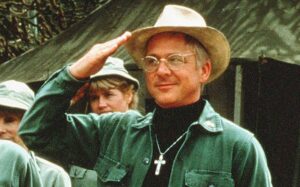
What made these scenes work was the genuine camaraderie beneath the teasing. The doctors respected Mulcahy and included him because they valued him, not to corrupt him. Mulcahy participated because he genuinely enjoyed their company, not from weakness of character. This foundation of authentic friendship made the comedic conflict feel earned rather than mean-spirited.
Misunderstandings and Misadventures
Several hilarious moments emerged from miscommunications between Mulcahy and the doctors, often involving him overhearing conversations out of context or receiving incomplete information about situations. His earnest attempts to help based on misunderstandings created perfect comedic scenarios. The humor intensified because Mulcahy’s intentions were always good, yet his actions based on faulty information produced absurd results.
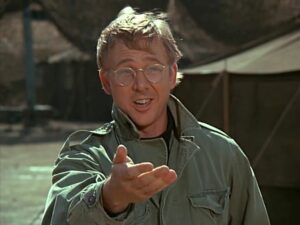
One memorable recurring theme involved Mulcahy believing the doctors were engaging in more serious moral transgressions than they actually were. His shocked expressions and subsequent moral lectures, delivered to doctors who genuinely didn’t understand what he was referencing, created comedy through sheer confusion. These moments highlighted how differently military doctors and a chaplain could interpret the same events.
The Gentle Roasting
The doctors, particularly Hawkeye, frequently teased Mulcahy about his faith, his naivety regarding military culture, and his occasionally misplaced innocence. However, this teasing operated within strict boundaries—it never became cruel or genuinely disrespectful toward his beliefs. Mulcahy would respond with gentle comebacks, often turning the joke on his tormentors with surprising effectiveness.
What made this dynamic work was Mulcahy’s ability to laugh at himself. He recognized when doctors were teasing and participated in the humor rather than becoming defensive. This confidence in his faith allowed him to engage in playful banter without feeling threatened. The doctors clearly respected him deeply, making their jokes affectionate rather than mocking.
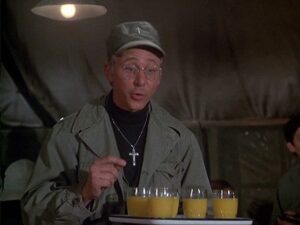
Mulcahy also demonstrated surprising wit when responding to jokes about his celibacy, religious calling, or moral positions. These comeback moments surprised audiences because they revealed unexpected layers to his character. He wasn’t simply tolerating the doctors’ humor—he was skilled at verbal sparring and held his own against their comedic attacks.
The Cultural Fish-Out-of-Water Comedy
Father Mulcahy often found himself baffled by military customs, slang, and the general chaos of front-line operations. His attempts to understand military culture while maintaining priestly dignity created comedy from genuine fish-out-of-water scenarios. He’d ask innocent questions that revealed his unfamiliarity with military life, leading doctors to explain circumstances in increasingly ridiculous ways.
His confusion about medical procedures, surgical terminology, and hospital protocols added another layer. Mulcahy would occasionally wander into situations he didn’t fully understand, requiring rescue from amused doctors. These moments felt genuine because Mulcahy had no pretense—he freely admitted his ignorance and asked for explanations.
The Unexpected Wisdom Moments
Interestingly, some of Mulcahy’s funniest moments involved delivering profound observations wrapped in comedic packaging. He’d make a serious point about morality, faith, or human nature, then undercut it with self-deprecating humor or unexpected vulnerability. This combination of wisdom and humor made him uniquely effective—audiences learned something genuine while laughing.
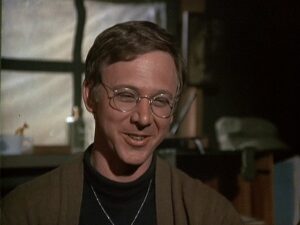
These moments demonstrated why Mulcahy transcended being merely comedic relief. He could make audiences laugh while simultaneously making them think. The best comedic moments involving Mulcahy weren’t just funny—they were funny because they contained truth about human nature, faith, and the bizarre circumstances created by war.
The Ensemble Chemistry
What elevated Father Mulcahy’s comedic moments was the ensemble chemistry. The doctors clearly enjoyed performing with him, their interactions reflecting genuine affection. This dynamic made audiences feel welcomed into their circle. Watching them include Mulcahy, tease him, protect him, and value him created emotional investment that made his funny moments land harder.
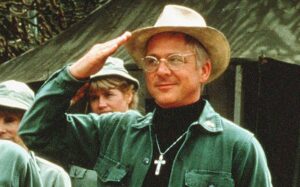
The cast’s obvious respect for actor William Christopher’s portrayal meant they brought A-game material when scenes involved Mulcahy. Writers crafted his comedic moments carefully, ensuring they served character development while providing entertainment. Mulcahy’s humor never felt like jokes inserted randomly—it always emerged organically from situations and relationships.
Why These Moments Endure
Decades later, Father Mulcahy’s funny moments remain beloved because they operated on multiple levels. They were genuinely entertaining while revealing character, advancing relationships, and exploring themes about faith, community, and human connection. Modern viewers appreciate how MASH balanced comedy with substance—Mulcahy’s humor never existed solely for laughs; it always served larger purposes.
His character proved that television comedies could include spiritual figures without reducing them to punchlines or making faith seem foolish. Mulcahy’s humor came from his humanity, not from mocking his beliefs. This respect for his character made audiences respect him, which paradoxically made his funny moments funnier.