Television characters occasionally achieve something remarkable: they transcend their scripted origins to become genuine cultural fixtures, beloved across generations and demographic categories. MAS*H produced multiple such characters, but four particular individuals stand out as universally cherished by devoted fans. These characters succeeded not through simple likability but through sophisticated portrayal of complex human beings navigating impossible circumstances while maintaining fundamental decency and humor.
The enduring appeal of these four characters emerges from their authenticity. Rather than portraying types or stereotypes, the writers and actors created individuals who felt genuinely real despite existing within a heightened television context. Audiences connected with them not because they represented idealized versions of humans but because they portrayed genuine people struggling with recognizable difficulties.
Character One: Hawkeye Pierce – The Moral Center Disguised as Comic Relief
Alan Alda’s portrayal of Captain Benjamin “Hawkeye” Pierce created something exceptional: a character who functioned simultaneously as comedy lead and moral conscience. Hawkeye’s constant wisecracks and pranks masked genuine compassion and commitment to patient welfare. This duality created remarkable depth, allowing audiences to appreciate both his humor and his underlying decency.

Hawkeye’s universal appeal emerged partly from how he balanced competing demands. He provided entertainment through wit and mischief while simultaneously demonstrating authentic care for colleagues and patients. He questioned military authority without appearing sanctimonious, challenged protocols when they conflicted with patient welfare without becoming preachy. This balance proved difficult to achieve but created character audiences instinctively loved.
What distinguished Hawkeye’s characterization involved showing how humor served protective function. His constant jokes represented coping mechanism enabling psychological survival within traumatic circumstances. Audiences recognized that beneath the clever one-liners existed someone genuinely wounded by what he witnessed, using humor partly to maintain functionality. This sophisticated portrayal distinguished Hawkeye from typical television comedians who simply delivered jokes without deeper motivation.
Hawkeye’s moral consistency across eleven seasons created additional appeal. Despite occasional compromises, he maintained fundamental commitment to doing right, even when doing right proved costly. His willingness to sacrifice personal interests for principle without requiring recognition or validation created character audiences deeply respected. Fans loved Hawkeye not simply because he made them laugh but because his fundamental decency shone through his humor.
Character Two: Margaret Houlihan – The Evolution of Female Authority
Jamie Farr’s portrayal of Major Margaret “Hot Lips” Houlihan underwent remarkable evolution, transforming the character from potential one-dimensional antagonist into genuinely complex individual whose commitment to military professionalism coexisted with surprising vulnerability and capacity for genuine connection.
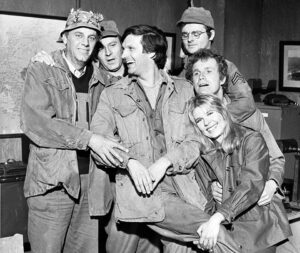
Margaret’s universal appeal emerged partly from her authentic struggle between competing values. She believed in military hierarchy and protocol while simultaneously recognizing that rigid adherence to those values sometimes conflicted with human welfare. Rather than resolving this tension through simple compromise, the show portrayed Margaret genuinely wrestling with these contradictions throughout the series.
Early characterization suggested Margaret might remain primarily comedic antagonist, providing opposition to the surgeons’ rule-breaking. However, as the series progressed, audiences discovered depths including her loneliness, her desire for connection, and her recognition that military formality sometimes masked genuine humanity. This gradual revelation created character audiences grew to genuinely love, appreciating both her professional competence and her human vulnerability.
What particularly distinguished Margaret’s appeal involved her refusal to become simply “one of the guys.” While developing genuine friendship with male colleagues, she maintained distinct identity and legitimate perspective on situations. She didn’t abandon her values to gain acceptance but instead demanded that others respect her perspective even when disagreeing with her. This authentic self-respect created character audiences admired.
Character Three: Maxwell Klinger – The Subversive Spirit
Jamie Farr’s portrayal of Corporal Maxwell Klinger created perhaps MAS*H’s most distinctive character: someone whose apparent absurdity masked genuine intelligence, unexpected competence, and profound humanity. Klinger’s outrageous schemes and cross-dressing performances initially seemed like simple comedy devices, yet the character evolved into something far more sophisticated.
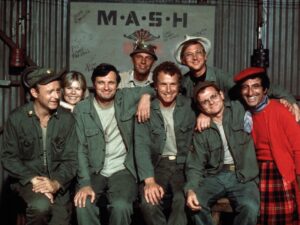
Klinger’s universal appeal emerged from recognition that his outrageous behavior served legitimate psychological purposes. His elaborate schemes represented creative responses to impossible circumstances, demonstrating that following military regulations often conflicted with maintaining individual identity and psychological functioning. While his methods seemed ridiculous, his fundamental motivation—preserving humanity within dehumanizing circumstances—felt completely authentic.
What particularly distinguished Klinger involved how the show portrayed his relationships with other characters. Despite his outrageous behavior, characters respected his fundamental decency and recognized that his schemes, while unconventional, often served genuinely compassionate purposes. Klinger possessed unexpected wisdom and surprising emotional sensitivity beneath his comedic exterior. Audiences loved him precisely because he demonstrated that maintaining individual identity and eccentricity represented strength rather than weakness.
Klinger’s character arc proved particularly impressive. By series conclusion, his initial Section Eight scheme had transformed into something far more complex. He remained eccentric and unpredictable, yet the show suggested that perhaps his particular gifts enabled him to navigate circumstances that might overwhelm more conventional personalities. Rather than suggesting that Klinger needed to become normal to be valuable, the show celebrated his eccentricity as meaningful contribution to the unit’s functioning.
Character Four: Colonel Sherman Potter – The Grounded Authority Figure
Harry Morgan’s portrayal of Colonel Sherman Potter created essential character representing legitimate authority combined with genuine humanity. Rather than portraying military authority as inherently antagonistic or ridiculous, Potter embodied what functional authority could resemble: someone committed to regulations while recognizing that regulations sometimes required flexible interpretation in service of greater good.
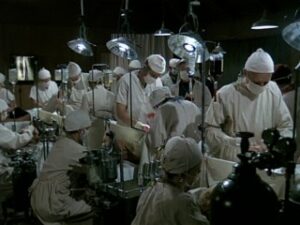
Potter’s universal appeal emerged from authentic respect for military values combined with recognition that respect for values didn’t necessitate blind obedience. Potter genuinely believed in military structure and protocol, yet he simultaneously demonstrated that questioning authority and pursuing compassionate alternatives represented appropriate responses when regulations conflicted with patient welfare.
What particularly distinguished Potter involved his paternal approach to authority. Rather than wielding power through fear or rigid discipline, Potter treated those under his command with respect and consideration. He demanded competence and adherence to essential protocols while permitting reasonable individuality. This balanced approach created authority figure audiences instinctively respected rather than resented.
Potter’s evolution from relatively peripheral character into central moral authority demonstrated the show’s sophistication. Rather than simply replacing one authority figure with another, the writers created character whose leadership style differed fundamentally from previous commanders. Potter suggested that alternative approaches to authority were possible—approaches combining competence with genuine care for individual wellbeing.
Why These Four Characters Matter
These four characters achieved lasting appeal because they represented something rare: fully realized individuals within television context. Rather than portraying types, the writers and actors created genuinely complex people with competing values, legitimate conflicts, and authentic humanity.

Their universal appeal transcended demographic boundaries partly because they addressed fundamental human experiences. Hawkeye’s struggle to maintain moral clarity amid chaos, Margaret’s tension between professional commitment and personal vulnerability, Klinger’s determination to preserve individual identity within dehumanizing circumstances, and Potter’s attempt to exercise authority with genuine humanity represented experiences audiences recognized regardless of background.
These characters endure because they demonstrated television’s capacity to create genuine art. By portraying complex individuals facing authentic difficulties while maintaining fundamental decency, MAS*H created characters audiences continue loving decades after initial broadcast. Their appeal emerges not from nostalgia but from genuine artistic excellence in character creation and portrayal.