MAS*H stands as one of television’s most beloved series, celebrated for its perfect balance of comedy and profound drama. Yet while the surgeons—Hawkeye, B.J., and Margaret—often dominate the spotlight, the nurses who served at the 4077th Mobile Army Surgical Hospital represent some of the show’s most compelling and underutilized characters. Behind their crisp uniforms and professional demeanor lies a wealth of stories, struggles, and surprising truths that deserve far greater recognition. Understanding these nurses reveals deeper layers of the series and challenges our assumptions about their roles both in the show and in the historical context it represents.
The First Truth: Nurses Were the Moral Backbone of the Unit
While commanders, surgeons, and colonels receive much of the spotlight in war narratives, the nurses in MAS*H consistently demonstrated an emotional and moral sophistication that often surpassed their more celebrated counterparts. These women witnessed the same horrors as the surgeons—the bloodshed, the impossible choices, the senseless deaths—but they also provided something irreplaceable: genuine human compassion without the protective layer of dark humor that the doctors employed.
Margaret Houlihan’s character arc perfectly illustrates this truth. Beginning as the rigid “Hot Lips” stereotype, Margaret gradually revealed herself to be a woman of tremendous depth, integrity, and vulnerability. She held herself to impossibly high standards, not out of rigid adherence to military protocol, but because she genuinely believed in the importance of maintaining order and dignity in chaos. The nurses understood that their work transcended medical procedures; they were caretakers of human dignity in a setting designed to strip it away.
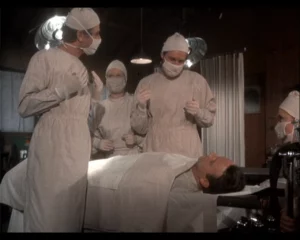
This wasn’t unique to Margaret. Throughout the series, the nursing staff demonstrated a capacity for ethical decision-making that sometimes put them at odds with the military hierarchy. They questioned orders when they believed patients’ wellbeing was at stake, advocated for the wounded regardless of nationality, and maintained their humanity even when the system demanded they become unfeeling instruments of military machinery. In many ways, the nurses represented the show’s moral center—the characters who reminded viewers that war ultimately affects individuals, not abstractions.
The Second Truth: They Challenged Gender Roles and Military Hierarchy
Perhaps the most surprising aspect of MAS*H’s nurses is how consistently they challenged the rigid gender expectations of both their era and the military institution. The 1950s and the Korean War context in which the show is set presented women in military service as inherently subordinate to their male counterparts. Yet the nurses in the series repeatedly demonstrated professional competence, medical expertise, and operational knowledge that rivaled or exceeded that of the male doctors.
Margaret particularly exemplified this subversion of expectations. She commanded respect through her technical proficiency and professional standards. When she insisted on proper procedure or questioned a surgical decision, she did so not as a subordinate seeking permission but as a medical professional asserting her authority. The show frequently portrayed her as correct in these challenges, vindicating her assertiveness and demonstrating that her demands for standards weren’t mere rigidity—they were professional excellence.
This representation was remarkably progressive for its time. At a moment when American culture was reasserting traditional gender roles after World War II, MAS*H presented female military nurses as skilled professionals whose contributions were essential and whose voices deserved to be heard. The show subtly dismantled the notion that women in military service were there to support or serve men; instead, it positioned them as equal participants in a critical mission.
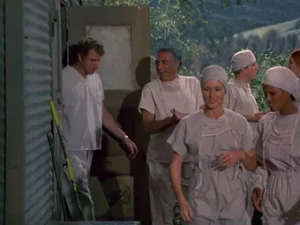
Furthermore, the nurses navigated the complex terrain of maintaining relationships within the hierarchy without sacrificing their professional standing. This balancing act—managing romantic and personal connections while preserving authority and respect—represented challenges that male officers rarely faced. The show occasionally explored this complexity, revealing how gender dynamics added additional layers of difficulty to an already challenging environment.
The Third Truth: Their Personal Costs Were Often Greater Than Acknowledged
A third surprising revelation about MAS*H’s nurses involves the psychological and emotional toll their service exacted. While the male characters’ struggles with trauma, moral compromise, and psychological stress received substantial screen time and narrative attention, the nurses’ suffering was often presented more subtly, sometimes glossed over in favor of humor or secondary plotlines.
Yet the reality was that these women carried tremendous burdens. They worked in proximity to death and suffering without the psychological armor of dark humor that sustained many of the male characters. They navigated romantic complications in an environment where power imbalances were inevitable. They maintained professional standards while their emotional resources were constantly depleted. They represented their gender in a male-dominated institution, carrying the additional weight of being role models whether they wanted to be or not.
The show occasionally gave voice to this hidden suffering—moments where Margaret allowed her facade of competence to crack, revealing the exhaustion and pain beneath. These scenes were powerful precisely because they were rare, suggesting the depths of emotion typically kept hidden. The contrast between the nurses’ professional exteriors and their private vulnerabilities created a poignant subtext throughout the series.
Why These Truths Matter Today
Understanding these three truths about MAS*H’s nurses enriches our appreciation for the series and provides perspective on broader themes of gender, authority, and human resilience. The show’s portrayal of these women was nuanced in ways that many contemporary television programs weren’t—presenting female characters as complex, capable, and worthy of narrative focus without requiring them to become “masculine” to gain respect.
The nurses in MAS*H remind us that support roles are often performed by individuals of tremendous capability and that the measure of a character’s importance shouldn’t be determined solely by their position in institutional hierarchies. They demonstrate that moral authority doesn’t flow exclusively from rank, and that quiet competence and consistent integrity often matter more than dramatic pronouncements.
These surprising truths about MAS*H’s nurses reveal a series that was more thoughtful and progressive than simple analysis suggests, challenging viewers to reconsider which characters truly shaped the show’s legacy and meaning.