When MASH premiered in 1972, audiences expected a war comedy with clearly defined roles: heroic doctors, antagonistic authority figures, romantic interests, and comic relief. What they got instead was something far more sophisticated—a show that systematically dismantled those expectations to reveal complex, evolving relationships that defied easy categorization. Over eleven seasons, MASH transformed characters who initially seemed like simple archetypes into fully realized people whose connections to each other became increasingly nuanced, surprising, and profoundly human.
The genius of MASH’s character relationships wasn’t just that they evolved over time—most long-running shows manage that much. What set MASH apart was its willingness to completely rewrite the fundamental dynamics between characters, turning enemies into friends, antagonists into allies, and shallow caricatures into people whose depths continually surprised both other characters and the audience. These weren’t superficial changes designed to keep the show fresh; they were organic transformations that emerged from the show’s understanding that people forced to live and work together under extreme pressure inevitably see past each other’s defenses to discover unexpected common ground. Here are three surprising truths about MAS*H’s character relationships that reveal why the show remains television’s gold standard for ensemble dynamics.
From Enemies to Soulmates: The Hawkeye and Margaret Revolution
Perhaps no relationship transformation in television history matches the complete reversal of Hawkeye Pierce and Margaret Houlihan’s dynamic across MAS*H’s eleven seasons. In the show’s early years, these two represented opposite poles—Hawkeye the irreverent, anti-authority prankster whose disdain for military protocol bordered on insubordination, and Margaret the rigid, by-the-book chief nurse whose devotion to regulations and affair with the equally pompous Frank Burns made her a natural antagonist. They spent the first several seasons at war with each other, Hawkeye mocking Margaret’s relationship with Frank and military devotion, Margaret reporting Hawkeye’s misconduct to commanding officers and enforcing every rule she could find to make his life difficult.

Yet by the show’s final seasons, Hawkeye and Margaret had become perhaps the deepest emotional connection in the entire series. This transformation didn’t happen suddenly or through a single dramatic event—it emerged gradually as both characters evolved and circumstances forced them to recognize each other’s genuine qualities beneath their opposing exteriors. The turning point began when Frank Burns left the series and Margaret’s character could finally escape his shadow. Freed from that toxic relationship, Margaret revealed layers of competence, vulnerability, and humanity that had always existed but been obscured. Simultaneously, as MAS*H shifted from pure comedy toward dramedy, Hawkeye’s character deepened to show the psychological toll of endless surgery and death.
What makes their relationship transformation so remarkable is how thoroughly it recontextualized everything that came before. Looking back at early episodes through the lens of their later friendship reveals that their antagonism masked a grudging mutual respect that existed from the beginning. Hawkeye never questioned Margaret’s competence as a nurse—his mockery targeted her relationship with Frank and her rigid adherence to military hierarchy, not her professional skills. Margaret never doubted Hawkeye’s brilliance as a surgeon, even when she was reporting his pranks to Henry Blake. Their conflict was never about medicine, where they always shared common ground, but about everything surrounding it.
The two-part episode “Comrades in Arms” crystallized this transformation when circumstances trapped them behind enemy lines together. Facing possible death stripped away all their usual antagonism, revealing two people who’d spent years seeing each other daily finally recognizing the person beneath the persona. Their night together felt earned rather than sensational because the show had done the work of showing how intimate shared experience creates—particularly the intimacy of working side by side in surgery, seeing each other at their best and worst, understanding each other’s fears and hopes through years of proximity. By the series finale, when Hawkeye and Margaret’s goodbye involves a long, tender kiss that contains no sexual tension but profound affection, audiences understood they were watching two people who’d become soulmates of a sort—not romantic partners but individuals whose lives had become so thoroughly intertwined that separating felt like losing part of themselves.

The Aristocrat Who Became Human: Winchester’s Unexpected Compassion
When Major Charles Emerson Winchester III arrived at the 4077th to replace Frank Burns in Season 6, the setup seemed obvious: here was another antagonist for Hawkeye and B.J. to spar with, another pompous surgeon whose aristocratic pretensions would provide comic fodder and conflict. Charles certainly delivered on that front initially—his Boston Brahmin condescension, his obsession with high culture, his open disdain for what he considered his banishment to this backwater surgical unit created immediate friction with the established ensemble.
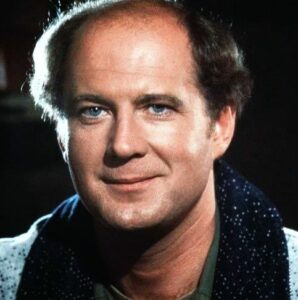
Yet something unexpected happened as Winchester’s character developed: beneath his insufferable snobbery lived a genuinely good person whose moral compass, while different from Hawkeye’s anti-authority rebellion, proved equally strong and sometimes more nuanced. The show revealed this depth gradually through episodes that forced Winchester to act without the protection of his aristocratic armor. When he anonymously donated chocolate to a Korean orphanage, refusing to accept recognition because acknowledging charity would somehow diminish it, audiences saw that his wealth came with a sense of noblesse oblige—a genuine belief that privilege created obligations. When he helped a stuttering soldier by revealing his own sister’s struggle with the same condition, his vulnerability showed that beneath the pomposity lived someone who understood suffering and responded with compassion rather than contempt.
What’s truly surprising about Winchester’s character is how the show used him to complicate MASH’s anti-authority themes. Unlike Frank Burns, whose devotion to military hierarchy stemmed from insecurity and compensatory arrogance, Winchester genuinely believed in excellence, standards, and the value of culture and tradition. His conflicts with Hawkeye weren’t simple protagonist-antagonist dynamics but genuine philosophical disagreements between two intelligent people with different but equally valid worldviews. Winchester believed that maintaining standards of behavior and culture mattered even—especially—in wartime, while Hawkeye believed that survival required abandoning pretense. Both were right, and MASH had the sophistication to show how both perspectives served necessary functions in helping people cope with impossible circumstances.
The most surprising aspect of Winchester’s character was how his relationship with Margaret developed into genuine mutual respect and even affection. Unlike Frank and Margaret’s dysfunctional affair, Winchester and Margaret connected as professional equals who recognized each other’s competence and dedication. Winchester never patronized Margaret despite his general condescension toward most people—he valued excellence wherever he found it, and Margaret’s skill as a nurse and leader earned his genuine respect. Their scenes together, particularly in later seasons, revealed an aristocratic kinship between two people who took pride in their professionalism and maintained standards even when surrounded by chaos.

The Unexpected Father-Son Bonds That Anchored the Series
MAS*H’s most emotionally powerful relationships weren’t romantic but paternal—surrogate father-son dynamics that emerged organically between characters and provided the series’ emotional anchors. Most obvious was the evolution of Colonel Potter’s relationship with Klinger, which began as standard commander-subordinate dynamics but transformed into genuine paternal affection. Potter saw through Klinger’s Section 8 schemes from day one but, unlike previous commanders who found them annoying, Potter approached them with paternal amusement and even fondness. He understood that Klinger’s elaborate attempts to earn a psychiatric discharge were coping mechanisms rather than genuine mental instability—Toledo boy’s way of maintaining hope of going home while actually serving competently in his role as company clerk.
Over seasons, Potter and Klinger developed a relationship that transcended military hierarchy. Potter offered fatherly advice about women, life, and growing up. Klinger showed Potter loyalty that went far beyond duty, genuinely caring about the old colonel’s wellbeing. Their interactions carried an easy affection that suggested how much each filled a need in the other’s life—Potter got the son to mentor and care for, Klinger got the father figure to guide him through young adulthood’s challenges. This relationship paid off beautifully in the series finale when Klinger, who’d spent eleven seasons desperately trying to leave Korea, decided to stay to help his Korean girlfriend find her family. Potter’s reaction—a mixture of sadness at losing his clerk but pride at Klinger’s maturity and selflessness—captured the bittersweet quality of a father watching a son become his own man.
Equally surprising was the gentle relationship between Father Mulcahy and virtually everyone at the 4077th, but particularly the doctors who initially seemed likely to clash with a religious figure. The show could have made Mulcahy a source of conflict, representing religious orthodoxy in tension with the doctors’ irreverence. Instead, MAS*H created a chaplain whose faith was so genuine and non-judgmental that even the most cynical characters respected and protected him. Hawkeye, who openly questioned religion, treated Mulcahy with affection and defended him fiercely when others disrespected him. This dynamic revealed something profound: that people can fundamentally disagree about ultimate questions while still recognizing and valuing each other’s integrity and goodness.
Perhaps most touching was the relationship between Potter and his whole camp, particularly after the trauma of Henry Blake’s death. Potter arrived as a replacement for a beloved commander, yet within episodes established himself as a different kind of father figure—steadier, more reliable, but equally caring. His paternal concern extended to everyone, from checking on Hawkeye’s psychological state to worrying about Margaret’s loneliness to gently guiding Winchester toward better behavior. Potter’s presence allowed MAS*H to show how good leadership creates family, how authority exercised with wisdom and compassion earns genuine rather than compulsory respect.
Why These Relationship Surprises Still Matter
These three surprising truths about MASH’s character relationships—the transformation of enemies into soulmates, the revelation of depth beneath aristocratic pretension, and the emergence of paternal bonds that transcended hierarchy—explain much of why the series endures while other shows fade. MASH understood that the most compelling drama emerges not from maintaining static conflicts but from showing how people change each other, how proximity and shared experience erode defensive postures, and how even the most unlikely people can find common ground when circumstances demand it.
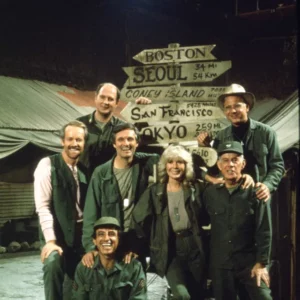
The show trusted its audience to embrace complexity rather than simplicity, to appreciate characters who evolved rather than remained comfortably predictable, and to understand that relationships defy easy categorization. Hawkeye and Margaret weren’t enemies who became lovers—they were antagonists who became something deeper and more interesting than romance. Winchester wasn’t just a new antagonist to replace Frank Burns—he was a fully realized character whose different kind of antagonism created new kinds of conflicts and eventually new kinds of connections. Potter, Mulcahy, and the paternal relationships they fostered showed that chosen family can be as powerful as biological bonds.
These relationship surprises made MAS*H feel authentic in ways that scripted television rarely achieves. We believed these transformations because they emerged naturally from characters spending years together in extreme circumstances. We understood how Margaret and Hawkeye could become close because we’d watched them work side by side through countless surgeries. We accepted Winchester’s hidden compassion because the show earned it through careful character work rather than sudden revelation. We felt the power of Potter’s paternal care because we saw it exercised consistently across seasons.