While Hawkeye, B.J., and the rest of the surgical staff often stole the spotlight, the nurses of the 4077th were the backbone of the Mobile Army Surgical Hospital. These women kept the camp running, saved countless lives, and brought depth and humanity to a show that could have easily relegated them to background decoration. Yet despite their importance to the series, there are fascinating aspects of their portrayal, their real-life inspirations, and their impact on television history that even devoted MASH fans might not know. Let’s dive into three surprising revelations about the nurses who made MASH more than just another war comedy.
1. The Nurses Were Based on Real Women Who Fought for Recognition
The nurses depicted in MASH weren’t just fictional characters—they represented real Army nurses who served in Korea under conditions that were far more challenging than most people realized. What’s surprising is how closely the show’s portrayal matched the actual experiences of these forgotten heroes. Real MASH nurses worked twelve to eighteen-hour shifts in freezing tents, often operating with inadequate supplies while dealing with horrific injuries. They faced the same dangers as the doctors but received far less recognition and significantly lower pay despite performing many of the same duties.
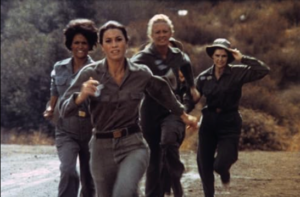
What makes this even more remarkable is that the show’s creators actively sought out these real nurses to inform the writing. Several Korean War nurses served as consultants, sharing stories that made it into episodes. The character of Margaret Houlihan was particularly influenced by accounts of real head nurses who had to balance military protocol with compassionate care, who fought against sexism while maintaining their authority, and who earned the respect of male colleagues through sheer competence and determination. These consultations ensured that the nurses weren’t just romantic interests or comic relief—they were professionals whose expertise and dedication were essential to the 4077th’s mission.
The real breakthrough came with episodes like “The Nurses,” which aired in 1975 and was told entirely from the female perspective. This episode was revolutionary for its time, focusing on the nurses’ experiences, frustrations, and perspectives without filtering them through male characters. The storylines dealt with sexual harassment, professional disrespect, and the emotional toll of their work with a frankness that was ahead of its time. What’s surprising is that this episode almost didn’t happen—network executives worried that viewers wouldn’t be interested in a nurses-focused story. Its success proved them spectacularly wrong and paved the way for more complex female-centered narratives in the series.
2. The Show Deliberately Increased Nurse Representation Over Time
In the early seasons of MAS*H, nurses were often relegated to brief appearances and romantic subplots. Margaret was the primary female character, and other nurses rarely received significant screen time or character development. But here’s the surprising part—this wasn’t an oversight. The show’s writers and producers made a conscious, deliberate decision to expand nurse representation as the series matured, reflecting changing attitudes about women’s roles both in the military and in society at large.
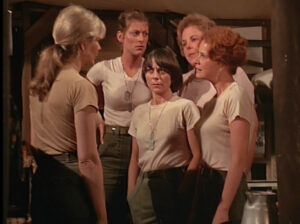
Starting around Season Four, viewers began seeing more episodes that featured nurses as central characters with their own storylines, motivations, and personalities. Nurse Kellye Yamato, played by Kellye Nakahara, evolved from a background extra into a beloved character with meaningful story arcs. In the episode “Hey, Look Me Over,” Kellye confronted Hawkeye about his tendency to overlook her romantically because she didn’t fit his narrow beauty standards. This scene was powerful not just for its message but because it gave voice to a character who had been present but largely invisible for years.
The transformation was intentional and part of the show’s broader evolution toward more sophisticated storytelling. As Larry Gelbart and other writers became more confident in the show’s ability to tackle serious issues, they recognized that the nurses’ perspectives were essential to telling the complete story of the 4077th. By the later seasons, it was common to see episodes that centered nurse characters, explored their friendships with each other, and showed their lives beyond their interactions with male doctors. This progressive expansion of female characters was unusual for television in the 1970s and early 1980s, when most shows maintained a rigid male-focused hierarchy.
What’s particularly surprising is that many of these expanded nurse roles came from the actresses themselves advocating for better representation. Kellye Nakahara was vocal about wanting more substantial material, and the writers responded by creating storylines that reflected her concerns. This collaborative approach between actresses and writers created more authentic, three-dimensional characters and demonstrated that the show was genuinely committed to evolving beyond its initial male-dominated structure.
3. Several Nurse Characters Had Deeper Backstories That Were Cut
Perhaps the most surprising revelation about the MAS*H nurses involves what viewers never saw. Script archives and interviews with writers reveal that numerous episodes featuring expanded nurse backstories, character development, and standalone nurse-focused plots were written but ultimately cut for time, budget, or network concerns. These lost stories would have given us even richer portrayals of the women who kept the 4077th running.
For example, multiple scripts explored the backgrounds of various nurses—their reasons for joining the Army Nurse Corps, their families back home, their career aspirations beyond the war, and their relationships with each other. One unproduced script focused on the intense friendship between several nurses and how they supported each other through trauma and loss. Another explored a nurse dealing with PTSD symptoms but being unable to seek help due to stigma and fear of losing her position. These stories would have been groundbreaking for their time, addressing issues that television rarely touched, especially regarding women in military service.
The budget constraints of television production meant that episodes requiring additional sets, guest actors, or location shooting were often deemed too expensive. Many nurse-centered stories fell into this category because they would have required showing the nurses’ quarters more extensively, depicting their off-duty lives, or bringing in guest actors to play their family members or romantic interests. The irony is that these budget decisions reflected the very inequalities the show was trying to critique—the nurses’ stories were considered less essential and therefore more expendable when cuts needed to be made.
What’s most surprising is that even Margaret Houlihan’s character arc was originally planned to be even more extensive. Early plans included exploring her military career before Korea, showing her rise through the ranks and the sacrifices she made for her career. Some of this made it into the show, but much was condensed or eliminated. Writers wanted to show more of her relationships with other female officers and nurses, depicting a network of military women supporting each other in a male-dominated institution. These lost storylines would have added even more depth to an already complex character and provided representation of female professional networks that was virtually nonexistent on television at the time.
The Lasting Impact
The nurses of MAS*H broke barriers and changed how television portrayed women in professional, high-stakes environments. While we can only imagine what the show might have been with all those cut storylines restored, what we did get was revolutionary for its time. The nurses weren’t just supporting characters—they were skilled professionals, complex individuals, and essential members of the 4077th family. Their representation, imperfect but progressive, paved the way for better female characters in medical dramas and military shows that followed.
Understanding these surprising aspects of the nurses’ portrayal gives us deeper appreciation for both the show’s achievements and its limitations. MAS*H pushed boundaries and fought for more inclusive storytelling even when networks and budgets pushed back. The nurses who appeared on screen represented real heroes, evolving social consciousness, and stories that almost got told. They deserve recognition not just as characters in a beloved show, but as part of television’s ongoing struggle to tell women’s stories with the complexity, respect, and screen time they deserve.