MAS*H built its reputation on balancing comedy with drama, but three moments in the series’ eleven-year run went far beyond dramatic—they were genuinely shocking decisions that challenged television conventions and left audiences stunned. These weren’t just surprising plot twists; they were creative risks that could have destroyed the show but instead cemented its legacy as television’s most daring and innovative series. Even dedicated fans often miss the full story behind these groundbreaking moments that forever changed what television could accomplish.
Henry Blake’s Death: The Shock That Almost Destroyed the Show
On March 18, 1975, MAS*H aired “Abyssinia, Henry,” an episode that would become one of the most controversial moments in television history. Lieutenant Colonel Henry Blake, the lovable, bumbling commanding officer played by McLean Stevenson, received his discharge orders and prepared to return home to his family in Bloomington, Illinois. The episode featured the expected farewells, emotional goodbyes, and celebration of a character surviving war and going home. Then came the final scene.
Radar O’Reilly entered the operating room, devastated and barely able to speak. In a broken voice, he announced: “I have a message. Lieutenant Colonel Henry Blake’s plane was shot down over the Sea of Japan. It spun in. There were no survivors.” The operating room fell silent. The surgeons, hands still in patients, stood frozen in shocked grief. Then the episode ended.
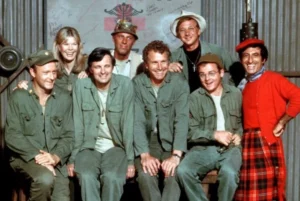
What makes this moment truly shocking isn’t just Henry’s death—it’s how it was filmed. The cast wasn’t told beforehand. The script they received showed Henry departing safely. Only during filming of the final operating room scene did Gary Burghoff receive the real dialogue revealing Henry’s death. The actors’ reactions—their stunned silence, visible grief, and inability to process what they’d just heard—were completely authentic. They weren’t acting; they were genuinely mourning the loss of their friend’s character.
The audience response was immediate and intense. CBS received thousands of angry letters and phone calls. Viewers accused the show of cruelty, of betraying their trust, of violating television’s implicit promise that beloved characters who survive to go home actually make it. The controversy was so severe that CBS considered canceling the series. Network executives demanded assurances that such shocking deaths wouldn’t happen again without warning.
But creator Larry Gelbart and producer Gene Reynolds stood firm. Their reasoning was profound: war doesn’t provide Hollywood endings. People don’t always make it home. The randomness and cruelty of Henry’s death—surviving the entire war only to die in the final moments before safety—reflected the actual experience of countless soldiers. To show war honestly meant showing its senseless brutality, even when it hurt. This creative courage transformed MAS*H from entertainment into something more significant—a show willing to tell uncomfortable truths regardless of consequences.
The Episode Without a Laugh Track That Changed Comedy Forever
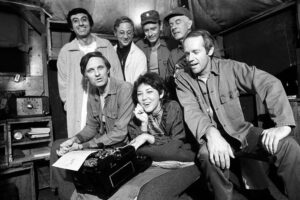
In 1973, during MAS*H’s second season, the creative team made a shocking decision: they would film an episode with no laugh track whatsoever. “O.R.” (also known as “The Big Red One”) took place entirely in the operating room during a marathon surgery session. For nearly the entire episode, the doctors worked on wounded soldiers while having philosophical conversations about war, death, and meaning.
CBS executives were horrified. The laugh track was considered essential for comedy shows—audiences needed cues to know when something was funny. Without those cues, executives feared viewers wouldn’t know how to respond. They fought against the decision, arguing it would confuse audiences and hurt ratings. But the creative team argued something radical: nothing about surgery on dying young men was funny, and adding canned laughter to such scenes was disrespectful to both the characters and real medical personnel who had experienced these situations.
The compromise reached was remarkable and revealed deep tension between artistic vision and network concerns. CBS allowed the episode to air without a laugh track in the operating room scenes but insisted it be added to other scenes. For international broadcasts, however, the entire episode aired without any laugh track. The response from those international audiences was so positive that it emboldened the creative team to gradually reduce laugh track usage throughout the series.
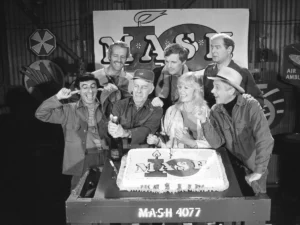
By later seasons, MAS*H used the laugh track minimally or not at all, particularly in more serious episodes. This evolution changed television comedy forever. The show demonstrated that audiences were sophisticated enough to understand tone without being told when to laugh. It paved the way for single-camera comedies without laugh tracks, influencing everything from “The Wonder Years” to “The Office” to modern comedy-dramas that blend humor and pathos seamlessly.
What makes this moment truly shocking in retrospect is how radical it was for its time. Today, we take laugh track-free comedies for granted, but in 1973, this was considered television heresy. The creative team risked their show’s future on the belief that audiences could be trusted with complexity and tonal ambiguity. They were right, and television evolved because of their courage.
The Series Finale’s Revelation of Hawkeye’s Trauma
The most shocking moment in MAS*H history might be its most disturbing: the revelation in the series finale “Goodbye, Farewell and Amen” of the traumatic incident that drove Hawkeye to a psychiatric hospital. After two hours of the episode, viewers finally learned what Hawkeye had repressed. On a bus full of refugees fleeing combat, Hawkeye had urged a woman to keep her chicken quiet so enemy soldiers wouldn’t discover them. Unable to silence the “chicken,” the woman smothered it to save everyone else. Except it wasn’t a chicken—it was her baby.
This revelation was shocking on multiple levels. First, the content itself was darker than anything MAS*H had ever presented. The image of a mother suffocating her infant, even to save others, was profoundly disturbing. Second, making Hawkeye partially responsible—his insistence on silence had contributed to this tragedy—challenged the character’s heroic status. Finally, showing the show’s comedic anchor completely psychologically broken was a stunning departure from eleven years of character development.
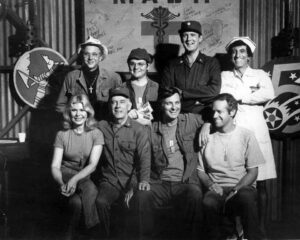
The network was deeply uncomfortable with this storyline. Executives worried it was too dark, too traumatic, too far beyond what television audiences expected from a series finale. They suggested alternative traumas or softening the revelation. But Alan Alda, who wrote and directed the finale, refused to compromise. He argued that showing PTSD authentically—the repression, the false memories, the devastating truth underlying psychological breakdown—honored real veterans’ experiences in ways television rarely attempted.
The shocking nature of this moment wasn’t just plot—it was structural. Throughout the finale, Hawkeye insisted the woman had smothered a chicken. The audience accepted this version, conditioned by years of watching MAS*H to trust Hawkeye’s perception. When the truth emerged—when Hawkeye’s psychiatrist helped him remember that the “chicken” was actually a baby—viewers experienced a version of the same trauma Hawkeye had been repressing. We had been complicit in the denial, making the revelation personally devastating rather than just intellectually disturbing.
This creative decision demonstrated remarkable faith in audiences’ ability to handle difficult, complex content. The finale didn’t provide easy catharsis or redemption. Hawkeye would carry this trauma forever. The show ended with characters surviving war but fundamentally changed by it, which was honest in ways television finales rarely achieved. Over 106 million Americans watched this shocking conclusion, making it the most-viewed television episode in U.S. history at that time.
The Legacy of Shock
These three moments—Henry Blake’s death, the removal of the laugh track, and Hawkeye’s psychological breakdown—weren’t shock for shock’s sake. They were creative decisions rooted in respect for audiences and commitment to authentic storytelling. Each risked the show’s popularity and commercial success in service of artistic integrity and emotional honesty. Each changed television by proving that audiences could handle complexity, ambiguity, and difficult truths.
MASH’s willingness to shock viewers with reality rather than cheap twists distinguished it from typical television and established a template for prestige drama that continues influencing television today. Shows like “The Sopranos,” “Breaking Bad,” and “Game of Thrones” owe a debt to MASH’s courage in showing that shocking moments, when rooted in authentic character and thematic purpose, elevate rather than cheapen storytelling. These three moments remind us that the best shocks aren’t just surprising—they’re revelatory, forcing us to see characters, stories, and ourselves differently than before.