More than four decades after its finale aired, MASH remains a cultural phenomenon that transcends generational boundaries. New audiences discover it every year, while devoted fans still rewatch episodes with the same emotional intensity they felt decades ago. This enduring appeal isn’t accidental—it stems from three fundamental qualities that the show mastered in ways few television programs ever have. Understanding why MASH refuses to fade into obscurity reveals crucial truths about storytelling, human connection, and the timeless power of authentic television.
Reason #1: The Perfect Balance Between Comedy and Tragedy
MASH revolutionized television by proving that a show could seamlessly blend laughter and heartbreak without diminishing either emotion. This wasn’t simply alternating between funny scenes and dramatic ones—it was weaving both experiences into the same moment, sometimes within the same scene. A character could deliver a hilarious one-liner minutes before confronting the devastating reality of war’s casualties. This tonal sophistication created an experience that mirrored real human resilience: the way we laugh to survive trauma, how humor becomes a coping mechanism when facing unbearable situations.

The show’s writers understood something profound that many contemporary productions still struggle with—audiences are intelligent enough to hold contradictory emotions simultaneously. They can laugh at Hawkeye’s absurd antics while simultaneously acknowledging the desperate circumstances forcing him to use humor as psychological armor. This complexity created deeper emotional investment than either pure comedy or pure drama could achieve independently.
What made this balance revolutionary for the early 1970s was its refusal to apologize for either mode. Other shows attempted serious moments but retreated quickly into comedy, fearing they’d lose the audience. MASH trusted viewers completely. When the show needed to be devastating, it committed fully. When it needed to be hilarious, it went all-in. This consistency of vision meant audiences always knew they were in capable hands, whether laughing or crying.
Today’s viewers appreciate this sophistication even more intensely because modern entertainment often plays it safe, choosing one emotional lane and staying in it. MASH’s willingness to risk emotional whiplash for authentic storytelling feels revolutionary even in 2025. Younger viewers discovering the show for the first time report being shocked by how emotionally mature it is, how it respects their ability to process complex feelings.
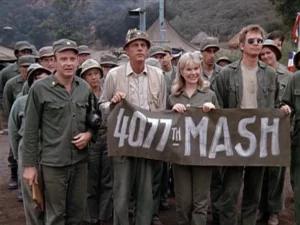
This tonal mastery also explains why episodes remain watchable across decades. A comedy can feel dated when references lose cultural relevance. A drama can feel melodramatic when cultural sensibilities shift. But MASH’s blend of genuine humor grounded in authentic human emotion transcends these temporal limitations. The jokes stem from character and situation rather than topical references, while the emotional moments address universal human experiences.
Reason #2: Characters Who Feel Authentically Human
MASH featured characters with genuine flaws, contradictions, and growth arcs that felt earned rather than manufactured. Hawkeye Pierce wasn’t simply a lovable rogue—he was a deeply traumatized surgeon using charm and humor to mask genuine anguish. Margaret Houlihan wasn’t just a stern military nurse—she was a complex woman navigating impossible professional expectations while developing genuine warmth beneath her rigid exterior. Colonel Potter wasn’t merely an authority figure—he was a father figure constantly questioning military orders that contradicted his medical ethics.
These characters evolved throughout the series in ways that felt organic. They didn’t undergo sudden transformations for dramatic effect—they changed gradually through accumulated experiences, conversations, and personal revelations. Viewers watched them become closer, more vulnerable, and more human as the show progressed. This character development created investment that pure plot mechanics could never generate alone.
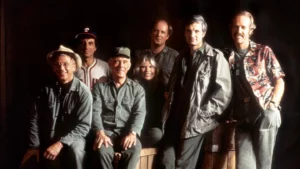
The writing never reduced characters to simple archetypes or allowed them to become one-dimensional. Even characters introduced later in the series—like B.J. Winchester—came with full inner lives, conflicts, and growth potential. The show’s creators understood that audiences connect with complexity, not simplicity. They recognized that flawed, struggling, imperfect people feel more real than heroes or villains.
What’s particularly remarkable is how these character relationships deepened over time. The bond between Hawkeye and B.J., the mentorship between Colonel Potter and younger surgeons, the mutual respect developing between Margaret and the doctors—these relationships felt genuine because they developed incrementally. There were no grand declarations of friendship, just accumulated moments of vulnerability, shared trauma, and gradual understanding.
This humanistic approach resonates powerfully across decades because it fundamentally respects the audience’s own complexity. People watching MASH see themselves reflected in characters making compromises, struggling with moral dilemmas, and searching for meaning amid chaos. The show never lectures or moralizes—it simply presents people trying their best in impossible situations. This authenticity creates lasting emotional bonds that survive decades of cultural change.
Reason #3: Meaningful Commentary on War Without Heavy-Handed Preaching
MASH never required viewers to hold specific political beliefs to appreciate its message about war’s human cost. The show depicted the Korean War setting while making universal observations about combat’s psychological and moral toll. Episodes addressing PTSD, medical ethics, civilian casualties, and the dehumanization of warfare remain strikingly relevant because these issues transcend specific historical moments or political ideologies.
The show’s brilliance lay in its refusal to present easy answers. It didn’t suggest that war could be solved through heroic sacrifice or clever military strategy. Instead, MASH consistently showed the reality: war creates situations where good people must make impossible choices, where medical personnel save lives knowing these individuals will likely return to combat and potentially die, where compassion and duty often conflict without resolution.
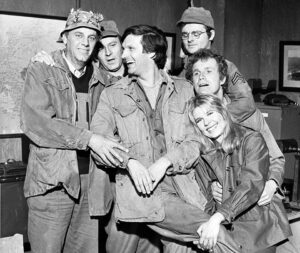
This thematic depth gave the show’s comedy genuine weight. Jokes about the absurdity of military bureaucracy or the ridiculous situations surgeons navigated carried philosophical weight because viewers understood the stakes beneath the humor. The show trusted audiences to absorb its anti-war message without explicit speeches—the message emerged naturally from watching dedicated medical professionals grapple with war’s fundamental contradictions.
Decades later, MASH’s anti-war themes remain relevant because conflict continues generating similar human experiences. Whether viewers watched during Vietnam or discover the show today amid current global tensions, the core message about war’s human cost transcends historical specificity. Each generation finds the show speaking directly to their contemporary concerns while maintaining timeless observations about human nature.
The Enduring Legacy
MASH’s continued popularity reflects a hunger for television that respects audience intelligence, develops characters authentically, and addresses meaningful themes without condescension. The show proved that entertainment and substance aren’t mutually exclusive—they’re complementary. In an era of reality television and algorithm-driven content, MASH represents a standard of quality storytelling that remains aspirational.
New audiences discovering MASH find themselves in a world where characters’ struggles mirror universal human experiences: the need to maintain dignity amid institutional systems, the importance of chosen family, the power of humor as survival mechanism, and the possibility of growth through genuine connection. These themes will remain relevant as long as humans tell stories.
MASH endures because it was created with integrity, sophistication, and deep respect for its audience. It refused shortcuts, rejected easy answers, and committed to authentic human storytelling. These qualities ensure the show will continue captivating audiences for generations to come.