MASH stands as one of the most culturally significant television series ever produced. More than simply entertainment, the show became woven into the fabric of American society, influencing how generations understood war, compassion, and human connection. The series didn’t just reflect American culture—it actively shaped it, introducing concepts, phrases, and perspectives that fundamentally altered national consciousness.
The legacy of MASH extends far beyond ratings or longevity. The show’s cultural penetration reached such depths that references and themes from the series appear in everyday conversation, political discourse, and popular media. Understanding why MASH achieved this unprecedented cultural status requires examining three fundamental reasons that elevated the show from entertaining television into a genuine cultural phenomenon.
Reason 1: MASH Redefined How America Understood War
Before MASH aired in 1972, American television typically portrayed war through two limited lenses: either as heroic adventure or as patriotic necessity. MASH fundamentally challenged both perspectives by presenting war as fundamentally destructive, morally complicated, and psychologically devastating. The show dared to suggest that questioning military authority wasn’t unpatriotic—it was honest.
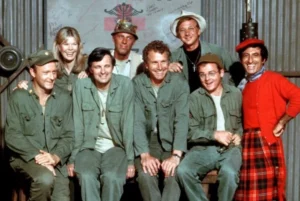
This perspective emerged during a pivotal moment in American history. The Vietnam War was actively dividing the nation. Young people questioned government narratives. The cultural landscape experienced unprecedented generational conflict about military service and national purpose. MASH arrived at precisely this moment, offering a framework for discussing war’s genuine human cost without requiring audiences to choose between patriotism and moral questioning.
The genius of MASH’s approach involved setting the narrative in Korea rather than Vietnam. This temporal distance allowed audiences to engage with anti-war themes while maintaining emotional safety. The Korean War felt sufficiently historical that criticizing it didn’t feel like directly attacking current policy. Yet the parallels remained obvious—viewers recognized themselves and their contemporary moment in the show’s exploration of warfare’s psychological toll.
Throughout the series, MASH consistently portrayed soldiers as fundamentally human rather than simply patriotic symbols. Characters questioned orders when they seemed unjust. They used humor to process trauma. They formed friendships across professional hierarchies. They grieved fallen comrades. This humanization of soldiers contradicted the sanitized, heroic warrior narratives that had dominated previous war entertainment.
The show’s anti-war message never descended into preachy propaganda. Instead, it emerged organically from circumstances and character reactions. When the doctors witnessed suffering, they responded with compassion and humor. When military bureaucracy seemed absurd, they questioned it. When they encountered the arbitrary nature of death in war, they processed genuine grief. These authentic reactions resonated far more powerfully than explicit sermons against warfare.
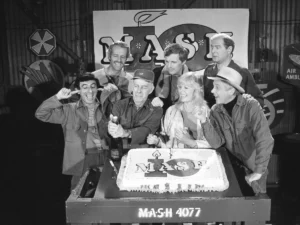
This redefinition of war narratives influenced not just television but broader American consciousness. MASH legitimized discussing war’s human costs. It suggested that compassion for suffering wasn’t weakness but humanity. It demonstrated that questioning military decisions didn’t constitute treason. These perspectives, radical at the time, gradually became more mainstream, fundamentally shifting how Americans approached discussions of military conflict.
Reason 2: MASH Pioneered Ensemble Television and Normalized Complex Character Development
Before MASH, television typically relied on clear hierarchies. One or two characters dominated narratives while supporting players filled secondary roles. MASH revolutionized this structure by creating genuinely ensemble television where multiple characters received substantial development and narrative focus. Every major character in the unit mattered. Every supporting player received genuine characterization.
This ensemble approach reflected democratic values and created unprecedented audience investment. Rather than following one protagonist’s journey, viewers simultaneously tracked multiple interconnected narratives. They cared equally about Hawkeye’s romantic struggles, Margaret’s professional challenges, Frank’s insecurities, and B.J.’s homesickness. The show treated each character’s internal world as worthy of serious dramatic attention.
This innovation resonated powerfully with American audiences increasingly skeptical of hierarchical authority structures. MASH’s ensemble democracy—where characters from different ranks genuinely respected each other—offered an alternative model for institutional organization. The show suggested that respect and genuine connection could transcend rank and title.
Furthermore, MASH normalized moral ambiguity in character development. Characters weren’t simply “good” or “bad”—they were complicated people with mixed motives, genuine flaws, and surprising capacities for growth. Hawkeye used humor to escape processing genuine trauma. Margaret balanced professional competence with romantic vulnerability. Charles began as antagonistic yet gradually revealed unexpected depths. Frank’s rigidity masked genuine insecurity. This sophisticated characterization elevated television’s artistic potential.
The show’s treatment of character evolution influenced how subsequent television approached narrative complexity. Audiences began expecting characters to develop across series rather than remaining static. They anticipated complex motivations and internal contradictions. They recognized that character growth doesn’t require complete personality transformation but rather gradual shifts in perspective and behavior.
MASH demonstrated that ensemble television could achieve greater emotional resonance than protagonist-centered narratives. Audiences didn’t simply follow one character’s journey—they inhabited an entire community. This created deeper investment and more complex emotional experiences. The show’s success spawned countless ensemble series that followed this template, permanently altering television’s approach to narrative structure.
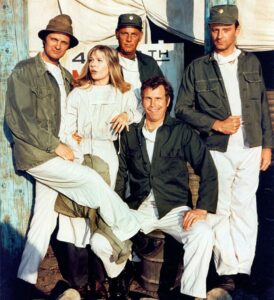
Reason 3: MASH Addressed Mental Health and Trauma with Unprecedented Honesty
For 1970s television, MASH’s treatment of psychological trauma represented genuinely groundbreaking content. The show consistently acknowledged PTSD, depression, anxiety, and emotional breakdown—topics that mainstream entertainment typically avoided or trivialized. Characters openly discussed their psychological struggles. They sought help when necessary. They supported each other through emotional crises.
This normalized discussion of mental health at a critical moment in American consciousness. The Vietnam War had created widespread PTSD among returning soldiers. Simultaneously, the counterculture movement was questioning traditional approaches to mental health and encouraging greater emotional openness. MASH arrived amid this cultural shift, offering television’s most sophisticated exploration of trauma and emotional processing.
The show demonstrated that discussing mental health didn’t constitute weakness. Strong, competent characters—Colonel Potter, Margaret, Hawkeye—experienced emotional breakdowns and psychological distress. They didn’t disappear or receive punishment; they received support from colleagues who recognized their struggles as natural responses to abnormal circumstances.
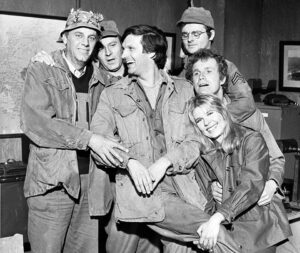
Modern audiences recognize MASH’s psychological sophistication as prescient. The show addressed military mental health decades before contemporary emphasis on PTSD treatment. It normalized therapy and emotional processing. It suggested that humor, while useful for coping, couldn’t substitute for genuine emotional processing. These perspectives, revolutionary at broadcast, have become standard in contemporary mental health discourse.
MASH’s cultural impact on mental health representation cannot be overstated. The show helped legitimate discussions of psychological trauma in American society. It suggested that acknowledging emotional pain wasn’t unmanly or weak—it was human. This shift in perspective gradually influenced broader cultural conversations about mental health, contributing to greater openness around psychological struggles.
The Lasting Cultural Legacy
These three factors combined to create unprecedented cultural significance. MASH didn’t simply provide entertainment—it offered frameworks for understanding complex social and personal challenges. It suggested that war demanded moral questioning. It demonstrated that democracy could function within hierarchical institutions. It normalized mental health discussions.

The series ended in 1983, yet its cultural impact continues reverberating through American consciousness. References to MASH appear in contemporary political discourse. The show’s final episode remains one of television’s most-watched and discussed conclusions. New generations discover the series and find it speaking directly to their contemporary concerns.
MASH achieved cultural immortality not through nostalgia but through enduring relevance. The show’s fundamental insights about human nature, institutional power, war’s costs, and emotional resilience remain perpetually applicable. Each generation rediscovers MASH and finds it addressing their specific historical moment.